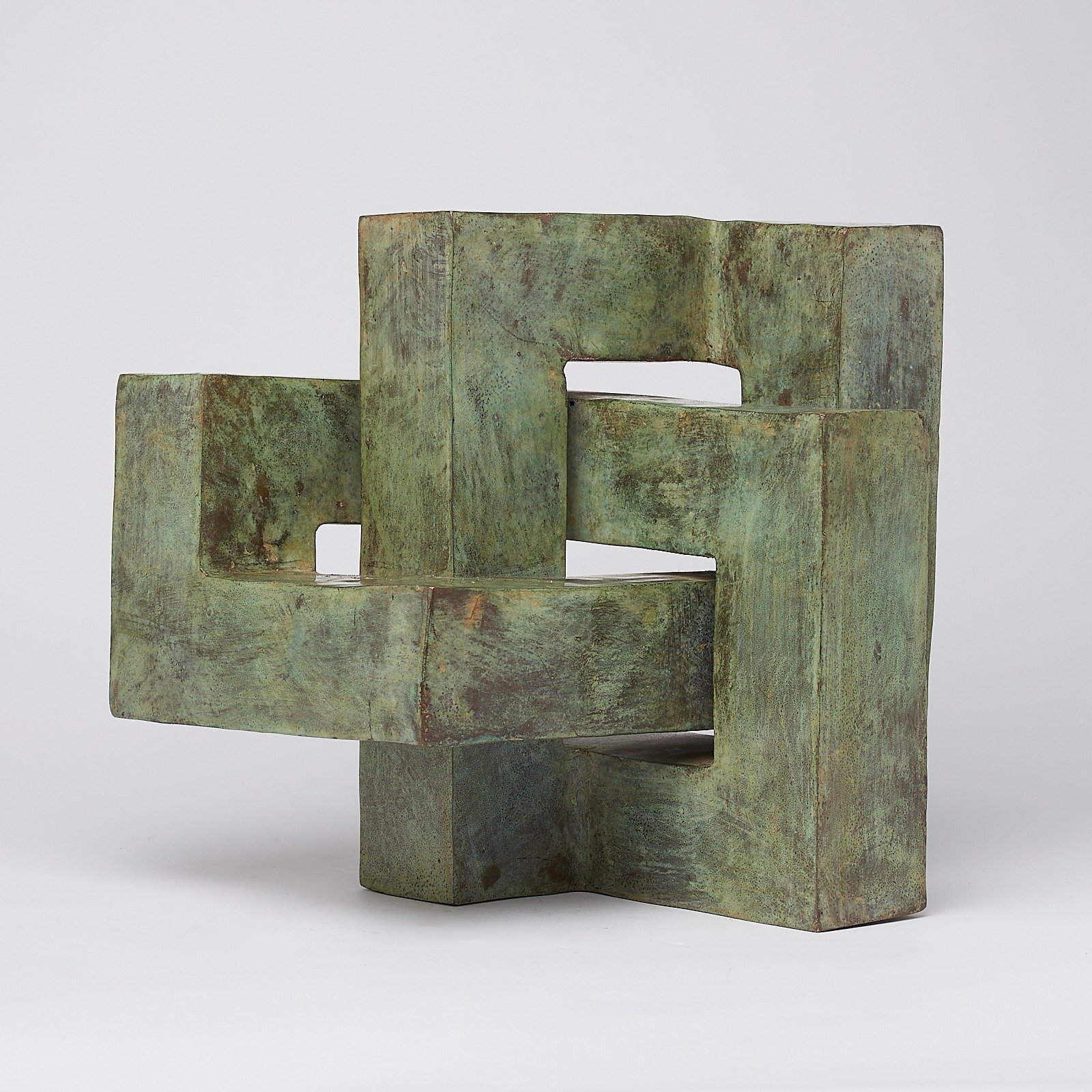
Working tool Antique - Anvil Bronze Silversmith


Opens tomorrow
Starting bid
€ 1
Add to your favourites to get an alert when the auction starts.

Catawiki Buyer Protection
Your payment’s safe with us until you receive your object.View details
Trustpilot 4.4 | 127342 reviews
Rated Excellent on Trustpilot.
Description from the seller
Height : 5 cm
Length : 14 cm
Width : 4.2 cm
Antique Silversmith’s Iron Anvil – Circa 1890
This authentic silversmith’s anvil, dating to approximately 1890, is a finely crafted iron bench anvil designed for small, precision metalworking tasks. Compact yet substantial, it weighs 564 grams, offering excellent balance and stability for controlled hand work.
Made from solid iron, the anvil reflects the late 19th-century tradition of specialist tools produced for jewelers and silversmiths rather than general blacksmithing. Its modest size was intentionally suited for delicate operations such as planishing, straightening, forming, and light shaping of precious and non-ferrous metals.
The working surfaces show honest age-related wear, consistent with over a century of careful use, adding to its historical character without compromising functionality. The clearly visible maker’s mark further enhances its authenticity and collectability, indicating professional manufacture rather than a later reproduction.
Despite its small footprint, the anvil’s mass provides a reassuring solidity, allowing precise hammer control while minimizing vibration—an essential feature for fine silversmithing work. It would have originally been used on a jeweler’s bench, bench pin, or small stake holder, making it ideal for detailed craftsmanship.
Height : 5 cm
Length : 14 cm
Width : 4.2 cm
Antique Silversmith’s Iron Anvil – Circa 1890
This authentic silversmith’s anvil, dating to approximately 1890, is a finely crafted iron bench anvil designed for small, precision metalworking tasks. Compact yet substantial, it weighs 564 grams, offering excellent balance and stability for controlled hand work.
Made from solid iron, the anvil reflects the late 19th-century tradition of specialist tools produced for jewelers and silversmiths rather than general blacksmithing. Its modest size was intentionally suited for delicate operations such as planishing, straightening, forming, and light shaping of precious and non-ferrous metals.
The working surfaces show honest age-related wear, consistent with over a century of careful use, adding to its historical character without compromising functionality. The clearly visible maker’s mark further enhances its authenticity and collectability, indicating professional manufacture rather than a later reproduction.
Despite its small footprint, the anvil’s mass provides a reassuring solidity, allowing precise hammer control while minimizing vibration—an essential feature for fine silversmithing work. It would have originally been used on a jeweler’s bench, bench pin, or small stake holder, making it ideal for detailed craftsmanship.
Details
Era
1400-1900
Weight
795 g
Iron type
Wrought iron
No. of items
1
Style
Antique
Country of Origin
Portugal
Material
Iron
Condition
Good condition - used with small signs of aging & blemishes
Height
5 cm
Width
4.2 cm
Depth
0 cm
Estimated period
1850-1900
Title additional information
Anvil Bronze Silversmith