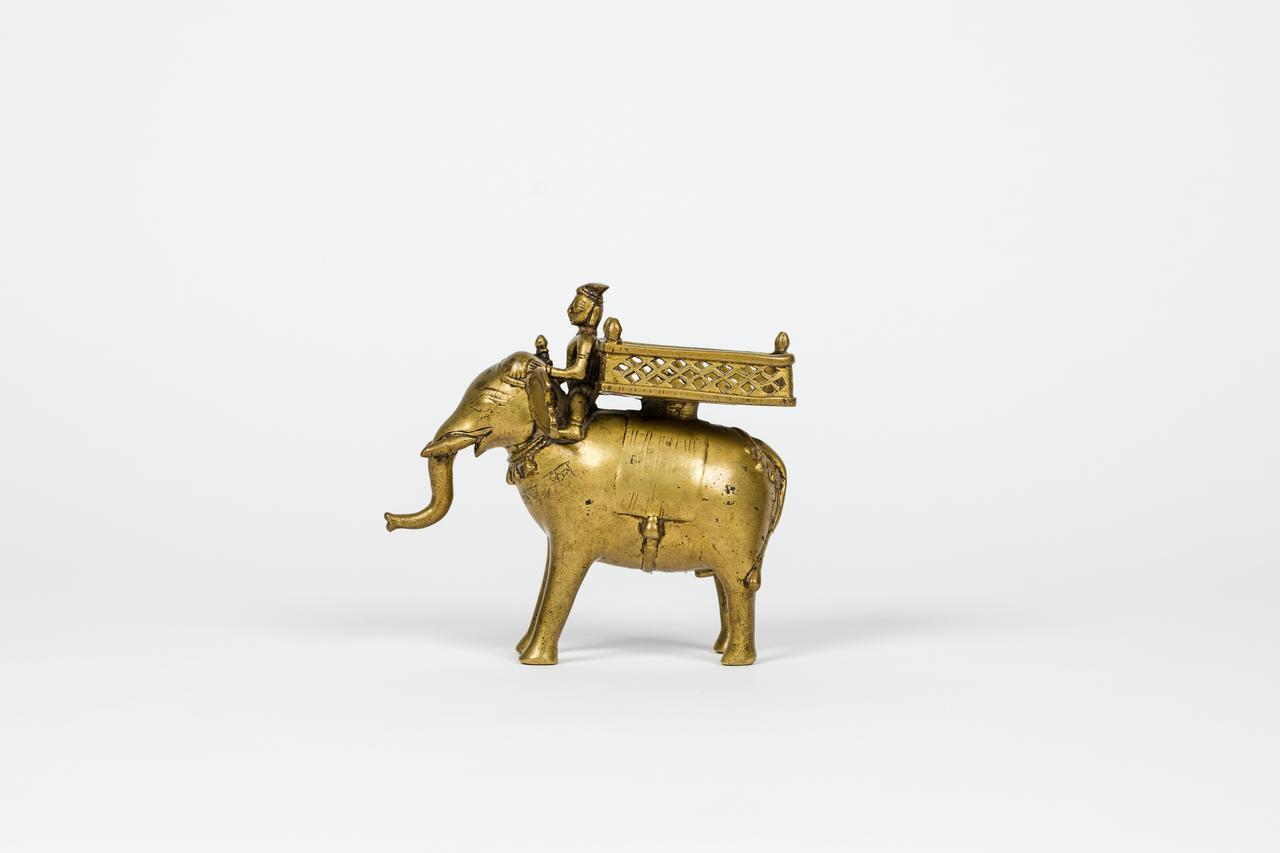
Tara - Bronze - Nepal - Late 20th century


| €49 | ||
|---|---|---|
| €44 | ||
| €35 | ||
Catawiki Buyer Protection
Your payment’s safe with us until you receive your object.View details
Trustpilot 4.4 | 127451 reviews
Rated Excellent on Trustpilot.
Bronze sculpture Tara, late 20th century Himalayan Buddhist tradition from Nepal, measuring 8 × 12 × 6 cm in excellent condition.
Description from the seller
Stunning Himalayan-tradition bronze depicting Tara, a major female deity in Tibetan Buddhism, symbol of compassion, protection and liberation.
The goddess is depicted seated in a royal posture (lalitasana), one leg pendant, the right hand in a gesture of giving/protection, the other resting gracefully. She wears a five-pointed crown, richly detailed jewelry (necklaces, bracelets, ear pendants) and is seated on an openwork lotus base, characteristic of ancient Tibetan and Nepalese bronzes.
The sculpture is made of bronze cast in the lost-wax process, with a natural antique patina in brown-gold and verdigris-green oxidation, consistent with its age.
The base is hollow, with a consecration hole and internal residues of ritual sealing, indicating a devotional rather than decorative use.
Probable origin: Tibet or Nepal
Estimated dating: late 20th century
Himalayan Buddhist tradition
Stunning Himalayan-tradition bronze depicting Tara, a major female deity in Tibetan Buddhism, symbol of compassion, protection and liberation.
The goddess is depicted seated in a royal posture (lalitasana), one leg pendant, the right hand in a gesture of giving/protection, the other resting gracefully. She wears a five-pointed crown, richly detailed jewelry (necklaces, bracelets, ear pendants) and is seated on an openwork lotus base, characteristic of ancient Tibetan and Nepalese bronzes.
The sculpture is made of bronze cast in the lost-wax process, with a natural antique patina in brown-gold and verdigris-green oxidation, consistent with its age.
The base is hollow, with a consecration hole and internal residues of ritual sealing, indicating a devotional rather than decorative use.
Probable origin: Tibet or Nepal
Estimated dating: late 20th century
Himalayan Buddhist tradition