Kepeng - Kèpèng - Indonesia


| €50 | ||
|---|---|---|
| €35 | ||
| €2 | ||
Catawiki Buyer Protection
Your payment’s safe with us until you receive your object.View details
Trustpilot 4.4 | 127526 reviews
Rated Excellent on Trustpilot.
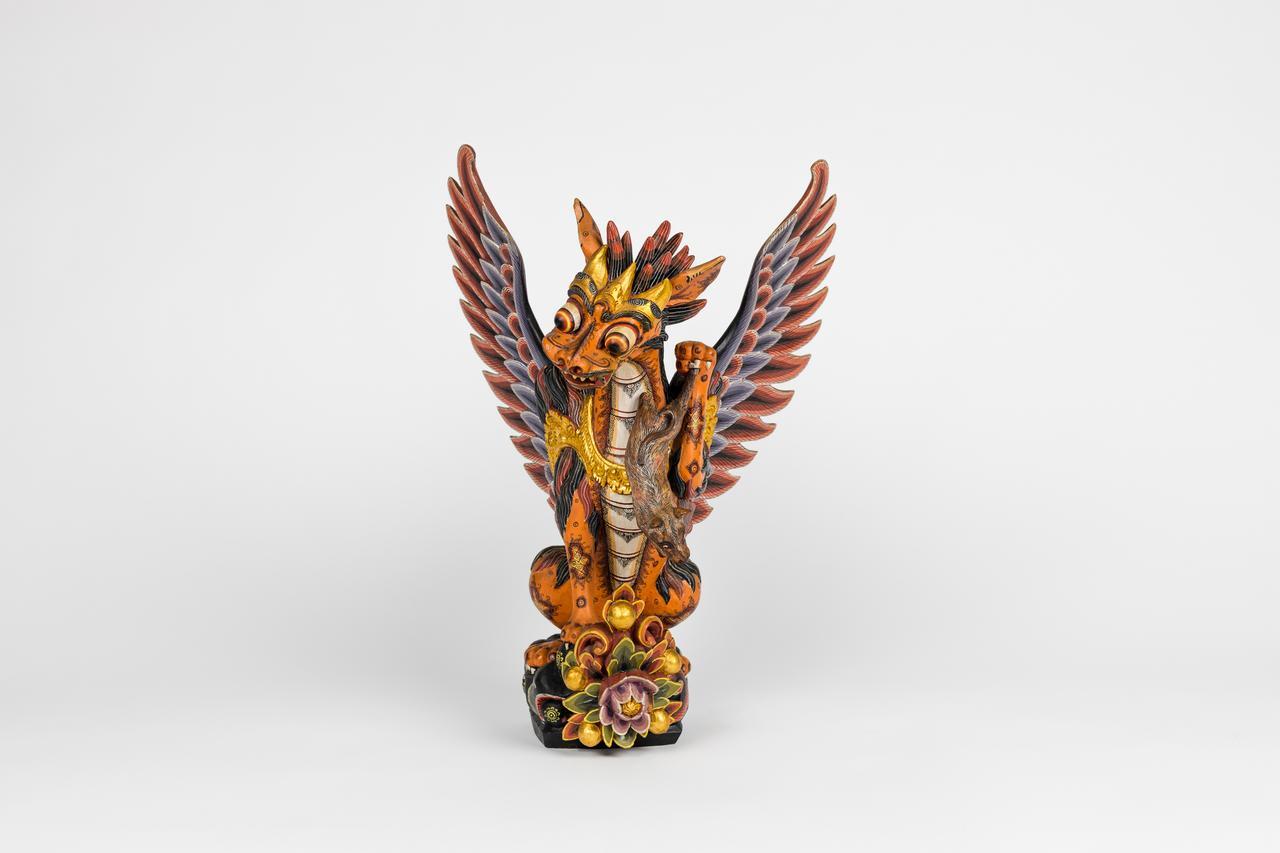
A wooden Kepeng figurine from Bali, Indonesia, dating to the late 20th century, made from Chinese Kash coins with a round form and square hole, probably depicting the goddess Dewi Sri, and intended as a temple or home altar object from a private collection.
Description from the seller
Figurine from Bali made from Chinese Kash coins (locally known as Kepeng). The coins were originally used in Bali before the arrival of modern currency. They have acquired symbolic and ritual significance. They were, among other uses, used in offerings at special ceremonies. They were believed to bring prosperity and fortune and are therefore widely used in amulets and as temple decorations. Their round shape with a square hole symbolizes heaven and earth. The metal stands for durability and protection, and the abundance of coins for abundance and prosperity.
The statue itself probably represents Dewi Sri, goddess of rice and fertility.
They are temple- and home altar objects that serve as a symbolic presence of prosperity, protection, and devotion.
Originating from the collection of Jac Hoogerbrugge. Collected by him in the 1950s or '60s.
Figurine from Bali made from Chinese Kash coins (locally known as Kepeng). The coins were originally used in Bali before the arrival of modern currency. They have acquired symbolic and ritual significance. They were, among other uses, used in offerings at special ceremonies. They were believed to bring prosperity and fortune and are therefore widely used in amulets and as temple decorations. Their round shape with a square hole symbolizes heaven and earth. The metal stands for durability and protection, and the abundance of coins for abundance and prosperity.
The statue itself probably represents Dewi Sri, goddess of rice and fertility.
They are temple- and home altar objects that serve as a symbolic presence of prosperity, protection, and devotion.
Originating from the collection of Jac Hoogerbrugge. Collected by him in the 1950s or '60s.