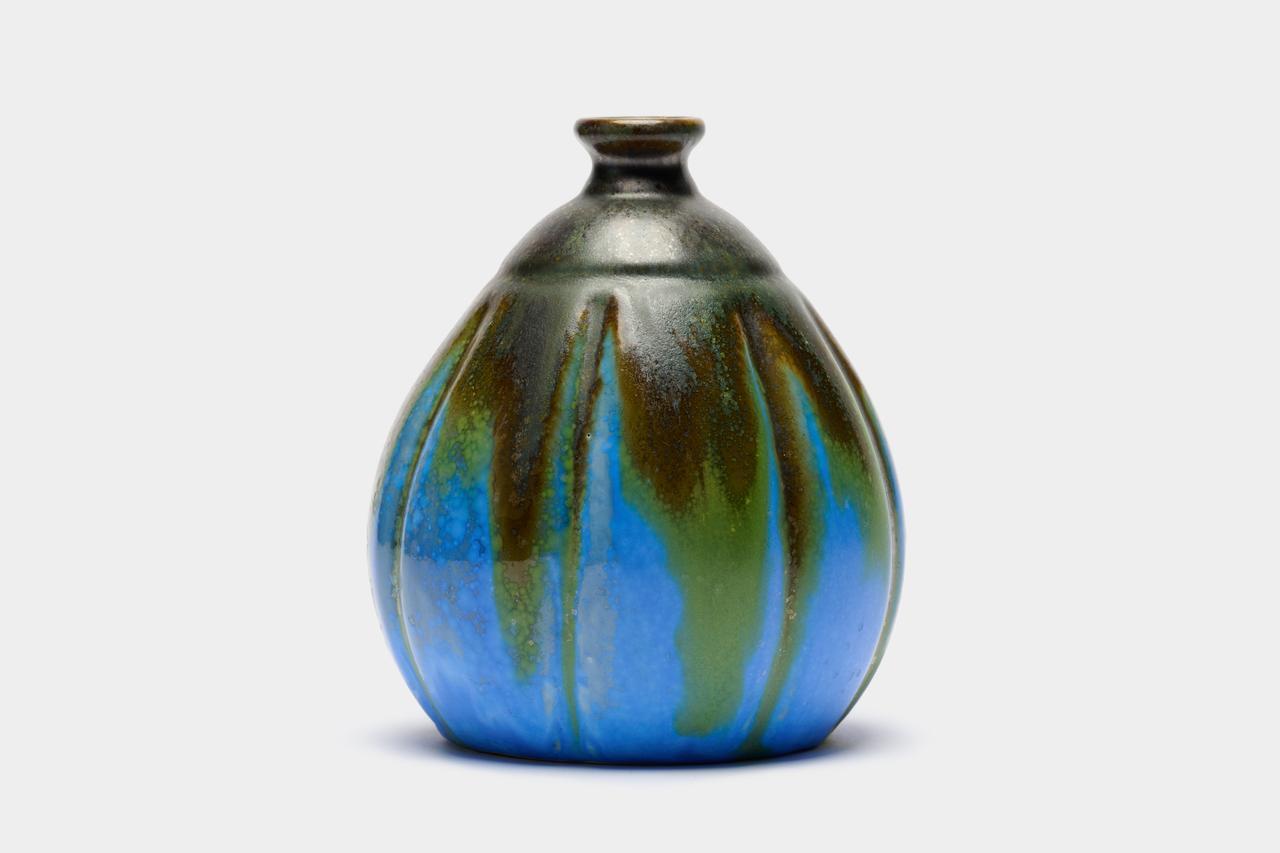
Talavera - Vase - washbasin - Ceramic - Medieval Heraldry -36cm


Opens Wednesday
Starting bid
€ 1
Add to your favourites to get an alert when the auction starts.

Catawiki Buyer Protection
Your payment’s safe with us until you receive your object.View details
Trustpilot 4.4 | 128055 reviews
Rated Excellent on Trustpilot.
Description from the seller
This water-pouring jug (aguamanil), made in the first half of the twentieth century, belongs to the ceramic tradition of Talavera de la Reina or Puente del Arzobispo, two historic pottery centers in Castile with productions closely related in both techniques and decorative repertoires. It is made of tin-glazed fine clay, glazed in white and hand-decorated with pigments characteristic of the region: cobalt blues, yellows, greens, and oranges.
Form and function
• It features a globular body, a narrow neck, and a slightly flared mouth, a classic typology of Castilian ewers.
• Its size and proportions indicate that it was intended for domestic or ceremonial use, related to hand washing, a practice inherited from medieval tradition and maintained in rural settings well into the 20th century.
Heraldic decoration
The piece stands out for its Castilian medieval-inspired heraldry, a motif highly valued in Talavera pottery since the 16th century and strongly revived in the 20th century by workshops that sought to revalue historical designs.
In the central crest, one can discern:
• A split field, with two distinct motifs:
• In one, a stylized vase, a symbol frequently found in popular iconography and in heraldry reinterpreted by the workshops.
• On the other side, a rampant animal — probably a lion or a rampant dog —, a typical figure in Castilian heraldry, associated with nobility, vigilance and strength.
• Above the shield a plume or crest appears, an ornamental element that harks back to medieval heraldry.
• The composition is framed by scrolls, flowers and volutes, painted with loose brushstrokes, vivid colors and a clearly artisanal style.
Style and origin
The vivid chromaticity, spontaneous drawing, and heraldic iconography are features that fit perfectly with the production of Talavera and Puente del Arzobispo during the period, when many workshops reinterpreted Renaissance and Baroque motifs for a market that valued tradition and identity.
Certified shipping and good packaging.
Seller's Story
Translated by Google TranslateThis water-pouring jug (aguamanil), made in the first half of the twentieth century, belongs to the ceramic tradition of Talavera de la Reina or Puente del Arzobispo, two historic pottery centers in Castile with productions closely related in both techniques and decorative repertoires. It is made of tin-glazed fine clay, glazed in white and hand-decorated with pigments characteristic of the region: cobalt blues, yellows, greens, and oranges.
Form and function
• It features a globular body, a narrow neck, and a slightly flared mouth, a classic typology of Castilian ewers.
• Its size and proportions indicate that it was intended for domestic or ceremonial use, related to hand washing, a practice inherited from medieval tradition and maintained in rural settings well into the 20th century.
Heraldic decoration
The piece stands out for its Castilian medieval-inspired heraldry, a motif highly valued in Talavera pottery since the 16th century and strongly revived in the 20th century by workshops that sought to revalue historical designs.
In the central crest, one can discern:
• A split field, with two distinct motifs:
• In one, a stylized vase, a symbol frequently found in popular iconography and in heraldry reinterpreted by the workshops.
• On the other side, a rampant animal — probably a lion or a rampant dog —, a typical figure in Castilian heraldry, associated with nobility, vigilance and strength.
• Above the shield a plume or crest appears, an ornamental element that harks back to medieval heraldry.
• The composition is framed by scrolls, flowers and volutes, painted with loose brushstrokes, vivid colors and a clearly artisanal style.
Style and origin
The vivid chromaticity, spontaneous drawing, and heraldic iconography are features that fit perfectly with the production of Talavera and Puente del Arzobispo during the period, when many workshops reinterpreted Renaissance and Baroque motifs for a market that valued tradition and identity.
Certified shipping and good packaging.
Seller's Story
Translated by Google TranslateDetails
Era
1900-2000
Title additional information
Medieval Heraldry -36cm
Country of Origin
Spain
Model
washbasin
Material
Ceramic
Style
Antique
Manufacturer/brand
Talavera
Condition
Good condition - used with small signs of aging & blemishes
Height
36 cm
Width
26 cm
Depth
26 cm
Estimated period
1950-1960
Sold by