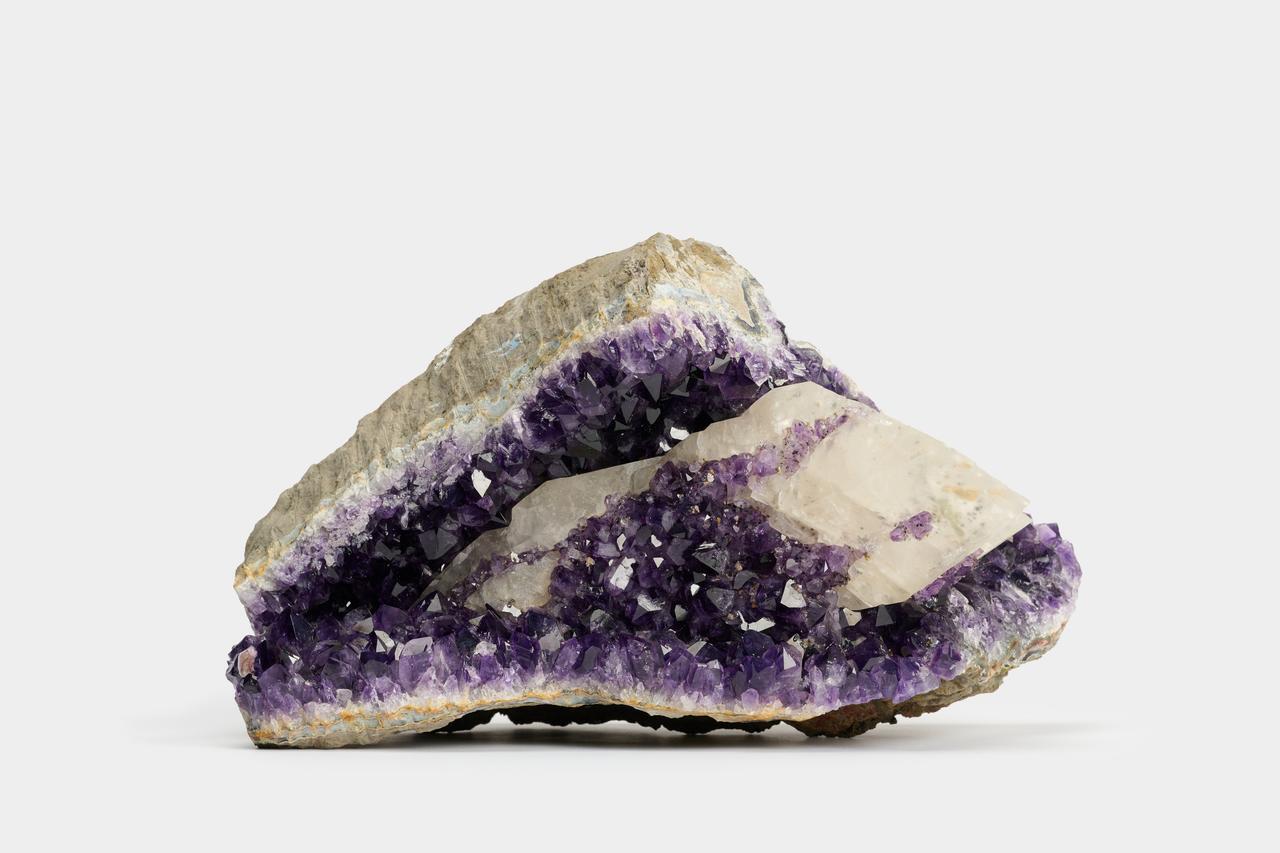
Magnificent Aletai plaque. Iron meteorite - 240 g


04
days
05
hours
04
minutes
43
seconds
Current bid
€ 172
Reserve price not met

Expert
Selected by Francesco Moser
Over 20 years collecting meteorites; former museum curator and experienced restorer.
Estimate € 400 - € 450
5 other people are watching this object
 Bidder 4044 Bidder 4044 | €172 | |
|---|---|---|
| Bidder 4044 | €162 | |
| Bidder 4044 | €50 |
Catawiki Buyer Protection
Your payment’s safe with us until you receive your object.View details
Trustpilot 4.4 | 127923 reviews
Rated Excellent on Trustpilot.
Description from the seller
The world’s largest iron meteorite by mass (74 tons) was discovered in Aletai Prefecture in the Xinjiang Uyghur region in July 2011. The local government took it away under the pretext of “protection.”
A year and a half later, the meteorite discoverers — Hailati Ayisa and Jiaerheng Habudehai, two Kazakh guides — decided to pursue the government. Once deposited, it could become the first case concerning the ownership of space objects, reported Southern Weekly. The pastoralists who ranch the land where the meteorite was found also claimed its ownership, further complicating matters.
The three parties claimed to be the first discoverers of the iron meteorite. It will not be easy for the judicial authorities to render a correct verdict because Chinese civil law does not follow the theory of “first possession” of property, which states that ownership of something is justified by whoever claims it before someone else does.
Hailati hails from Qinghe County in Aletai, the place where China’s largest iron meteorite, the “Silver Camel,” was found. He was passionate about meteorites and had befriended the sheep merchant Jiaerheng while doing business.
In April 2011, Hailati received a call from another meteorite enthusiast. The man told Hailati that they were looking for a meteorite on a pasture in Aletai and hoped he would be willing to join the search.
A nine-member team of meteorite enthusiasts then set out to find the object believed to have come from space. Zhang Baolin, a meteorite expert from the Beijing Planetarium, and meteorite collector Lei Kesi were among them. The search, however, proved unsuccessful. Before the nine men dispersed, they reached a verbal agreement with Hailati and Jiaerheng for them to continue the search.
“Zhang Baolin said we would probably receive a large reward if we found it and informed the government,” Hailati said. Living an ordinary life, Hailati and Jiaerheng saw the search as an opportunity that could change their destinies.
June 17, 2011 proved to be the day they found the meteorite. “It was a gift from the Lord; I thought our lives would be different,” Jiaerheng told Southern Weekly.
They immediately informed the seven remaining meteorite enthusiasts, but received no reply. However, a few days later they learned from Beijing Planetarium that the man they had told had reported the discovery to the Chinese Academy of Sciences as his “first discoverer.”
Beijing Planetarium experts tried to calm them by saying, “We know you both found it,” and issued them a certificate shortly after.
On July 16, 2011, the meteorite was officially confirmed as the fourth-largest iron meteorite in the world and was found to be part of the same meteoroid as the “Silver Camel.”
However, the local government removed the iron meteorite from the pasture as quickly as possible, claiming it simply wanted to ensure better protection for the meteorite.
They also denied that Hailati and Jiaerheng had been the first discoverers of the iron meteorite, asserting that Sun Jianguo, the Secretary of the Aletai Party, had already spotted it in 2004. But there was no evidence for this assertion. According to Zhang Min, lawyer for Hailati and Jiaerheng, no government had a legal basis to demand, seize, or retain meteorites.
As for their prize, the local government agreed to give Hailati and Jiaerheng only 5,000 yuan (800 dollars) each because of “their moving conduct.” Nevertheless, the two men found the prize insufficient and opposed the offer.
Meteorite collector Lei Kesi argued that “Beijing Planetarium and I paid Hailati and Jiaerheng for their help.” He believed they had been hired to aid the search, so they should not claim ownership. Hailati and Jiaerheng denied this particular relationship but admitted receiving a small sum from the Beijing Planetarium during their last search.
Yet, unexpectedly, pastoralists’ entrepreneurs Juman and Kenjiebieke Remazan have now claimed that they actually discovered the iron meteorite as early as 1986 and thus also claimed its ownership.
According to the Chinese land bidding system, pastoralists can only obtain rights and interests of the pasture itself, and since meteorites are not produced by the pasture, the Remazan brothers should not hold the meteorite, Meng Qinguo, a professor of law at Wuhan University, said.
In fact, some scientists had already proposed legalizing government ownership of meteorites eight years ago, but the proposal had somehow stalled. Meteorite enthusiast Liu Xin told the papers that it takes a lot of time and money to find a meteorite,
“The discoverers will be harmed if their hard-to-find meteorites are simply taken by the government.”
“I hope the laws will encourage individuals to find more meteorites and benefit both the country and the discoverer,” Liu Xin said.
Seller's Story
As a collector and meteorite enthusiast and member of the IMCA.
(International Association of Meteorite Collectors),
I guarantee the authenticity of all my meteorites, selected with care, to offer you the best service.
IMCA # 6758
DC meteorites
Translated by Google TranslateThe world’s largest iron meteorite by mass (74 tons) was discovered in Aletai Prefecture in the Xinjiang Uyghur region in July 2011. The local government took it away under the pretext of “protection.”
A year and a half later, the meteorite discoverers — Hailati Ayisa and Jiaerheng Habudehai, two Kazakh guides — decided to pursue the government. Once deposited, it could become the first case concerning the ownership of space objects, reported Southern Weekly. The pastoralists who ranch the land where the meteorite was found also claimed its ownership, further complicating matters.
The three parties claimed to be the first discoverers of the iron meteorite. It will not be easy for the judicial authorities to render a correct verdict because Chinese civil law does not follow the theory of “first possession” of property, which states that ownership of something is justified by whoever claims it before someone else does.
Hailati hails from Qinghe County in Aletai, the place where China’s largest iron meteorite, the “Silver Camel,” was found. He was passionate about meteorites and had befriended the sheep merchant Jiaerheng while doing business.
In April 2011, Hailati received a call from another meteorite enthusiast. The man told Hailati that they were looking for a meteorite on a pasture in Aletai and hoped he would be willing to join the search.
A nine-member team of meteorite enthusiasts then set out to find the object believed to have come from space. Zhang Baolin, a meteorite expert from the Beijing Planetarium, and meteorite collector Lei Kesi were among them. The search, however, proved unsuccessful. Before the nine men dispersed, they reached a verbal agreement with Hailati and Jiaerheng for them to continue the search.
“Zhang Baolin said we would probably receive a large reward if we found it and informed the government,” Hailati said. Living an ordinary life, Hailati and Jiaerheng saw the search as an opportunity that could change their destinies.
June 17, 2011 proved to be the day they found the meteorite. “It was a gift from the Lord; I thought our lives would be different,” Jiaerheng told Southern Weekly.
They immediately informed the seven remaining meteorite enthusiasts, but received no reply. However, a few days later they learned from Beijing Planetarium that the man they had told had reported the discovery to the Chinese Academy of Sciences as his “first discoverer.”
Beijing Planetarium experts tried to calm them by saying, “We know you both found it,” and issued them a certificate shortly after.
On July 16, 2011, the meteorite was officially confirmed as the fourth-largest iron meteorite in the world and was found to be part of the same meteoroid as the “Silver Camel.”
However, the local government removed the iron meteorite from the pasture as quickly as possible, claiming it simply wanted to ensure better protection for the meteorite.
They also denied that Hailati and Jiaerheng had been the first discoverers of the iron meteorite, asserting that Sun Jianguo, the Secretary of the Aletai Party, had already spotted it in 2004. But there was no evidence for this assertion. According to Zhang Min, lawyer for Hailati and Jiaerheng, no government had a legal basis to demand, seize, or retain meteorites.
As for their prize, the local government agreed to give Hailati and Jiaerheng only 5,000 yuan (800 dollars) each because of “their moving conduct.” Nevertheless, the two men found the prize insufficient and opposed the offer.
Meteorite collector Lei Kesi argued that “Beijing Planetarium and I paid Hailati and Jiaerheng for their help.” He believed they had been hired to aid the search, so they should not claim ownership. Hailati and Jiaerheng denied this particular relationship but admitted receiving a small sum from the Beijing Planetarium during their last search.
Yet, unexpectedly, pastoralists’ entrepreneurs Juman and Kenjiebieke Remazan have now claimed that they actually discovered the iron meteorite as early as 1986 and thus also claimed its ownership.
According to the Chinese land bidding system, pastoralists can only obtain rights and interests of the pasture itself, and since meteorites are not produced by the pasture, the Remazan brothers should not hold the meteorite, Meng Qinguo, a professor of law at Wuhan University, said.
In fact, some scientists had already proposed legalizing government ownership of meteorites eight years ago, but the proposal had somehow stalled. Meteorite enthusiast Liu Xin told the papers that it takes a lot of time and money to find a meteorite,
“The discoverers will be harmed if their hard-to-find meteorites are simply taken by the government.”
“I hope the laws will encourage individuals to find more meteorites and benefit both the country and the discoverer,” Liu Xin said.
Seller's Story
As a collector and meteorite enthusiast and member of the IMCA.
(International Association of Meteorite Collectors),
I guarantee the authenticity of all my meteorites, selected with care, to offer you the best service.
IMCA # 6758
DC meteorites
Translated by Google TranslateDetails
Name of meteorite
Magnificent Aletai plaque.
Type of meteorite
Iron meteorite
Weight
240 g
Origin (Region/ City)
Xinjiang
Country of Origin
China
Sold by
Disclaimer
It is believed that certain gemstones and minerals have beneficial health and spiritual properties. However, using or wearing gemstones or minerals does not mean that you can treat, cure or prevent any disease. Please consult your health care professional for information on health care issues and do not stop any medications or courses of treatment, without first consulting your health care professional. The use of gemstones or minerals as a wellness therapy is one of personal choice. While stones or crystals have been used historically to relieve or prevent symptoms, the objects sold on our website offer no guarantee of results. Therefore, Catawiki cannot guarantee or be held liable for the effectiveness of these objects sold herein.
It is believed that certain gemstones and minerals have beneficial health and spiritual properties. However, using or wearing gemstones or minerals does not mean that you can treat, cure or prevent any disease. Please consult your health care professional for information on health care issues and do not stop any medications or courses of treatment, without first consulting your health care professional. The use of gemstones or minerals as a wellness therapy is one of personal choice. While stones or crystals have been used historically to relieve or prevent symptoms, the objects sold on our website offer no guarantee of results. Therefore, Catawiki cannot guarantee or be held liable for the effectiveness of these objects sold herein.