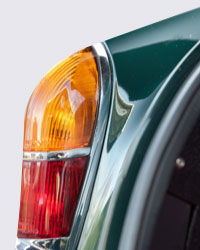
Lincoln - Continental Convertible - 1962


02
days
00
hours
51
minutes
15
seconds
Current bid
€ 4,900
Reserve price not met

Expert
Selected by Franco Vigorito
Seasoned classic car expert with COO experience at Ferrari Hill Climb Racing Team.
Estimate € 53,000 - € 59,000
45 other people are watching this object
 | €4,900 | |
|---|---|---|
| €4,700 | |
 | €4,500 | |
Catawiki Buyer Protection
Your payment’s safe with us until you receive your object.View details
Trustpilot 4.4 | 132408 reviews
Rated Excellent on Trustpilot.
1962 Lincoln Continental Convertible with Dutch registration, matching numbers, automatic transmission, petrol, 430 cu in V8 engine, 300 horsepower, comprehensive restoration file and CoC present, located in the Netherlands.
AI-assisted summary
Description from the seller
For sale is this unique and highly collectable 1962 Lincoln Continental Convertible, an iconic four‑door “suicide door” convertible that has undergone an extensive, professional restoration in the Netherlands by renowned specialist Bart Holland. The car was bought via Catawiki in Belgium in 2020 and now comes with Dutch registration and a very complete restoration file. See the pictures of the latest restoration here: https://www.bartholland.nl/restorations/ford-lincoln-continental-convertible-62/
Available Parts & Current Phase
Before the current phase of mechanical restoration, the Lincoln was fully running, with all electrical systems—including power windows, the partial door‑linked window lowering feature, and the power convertible roof—functioning perfectly. The car’s 430 V8 engine and carburetor are now refitted in the engine bay, but final connections (fuel, ignition, cooling, and vacuum systems) still need to be completed before the engine can be started. (The restoration company estimated the amount of work to about 20-60 hours)
The front bumper and hood have not yet been placed back for working access to the engine compartment, and the hood mechanism from the cockpit requires re‑linking. The electric roof itself remains fully operational apart from a small, typical configuration adjustment to the rear screw mechanism that aligns its closing panel. All removed parts have been restored and are available with the car, documented in photos and invoices from Bart Holland, providing the next owner with everything needed to complete assembly and recommission the vehicle for road use.
The current restoration has not been completed to due to personal matters.
The final four photos in the gallery, showing the Lincoln with the top down, were taken before the most recent mechanical restoration. As the convertible top operates only with the engine running, we have not been able to take new photos with the roof lowered.
Body and paint
The car is finished in an elegant metallic beige, a period-appropriate colour that suits the Continental’s iconic suicide-door design, and the paint is in excellent condition with a deep shine and no known rust or visible dents.
Bodywork, chassis and paint were professionally addressed as part of a multi‑year restoration at Bart Holland in the Netherlands, a specialist with decades of experience and multiple Lincoln projects in their portfolio.
Panel gaps and shut lines present well for a largely reassembled car, and there are no known signs of accident damage; any remaining cosmetic work is minor detailing associated with final assembly.
Chrome and brightwork (bumpers, trims, door handles) present very well for a classic of this age, with only light traces of age in some areas that many enthusiasts would choose to preserve.
Rubber seals, glass and lights were inspected and renewed or refitted during the restoration where needed, and all exterior lights were functioning correctly before the final engine work began.
Technical condition
The original 430 cu in V8 has been fully rebuilt (block machining, new internal components, ancillaries overhauled) as part of a documented engine and gearbox revision programme with a budgeted and billed amount in the tens of thousands of euros.
The automatic gearbox was removed and overhauled along with the drivetrain and chassis components; much of this work is itemised in the Bart Holland project administration and invoices provided with the car.
The engine is already placed back in the engine bay; remaining work consists mainly of connecting ancillaries, plumbing and drivetrain components, and completing final checks and adjustments.
Brakes, suspension, steering and underbody components have been refurbished or renewed during the chassis-technical phase of the restoration, including new or reconditioned parts for the front axle, brakes and various bushings, as shown in the parts and labour overview.
Before the engine rebuild phase, the car was driving and all power windows and electrical features (top mechanism, power steering, etc.) were working correctly; the well-known complex electric soft top of this model has always operated perfectly on this car.
Mechanical status / how it drives
Since the current restoration phase, the car has not been driven; the freshly rebuilt engine has not yet been fully commissioned or run-in on the road. The last picture of the pictures, shows how the car is currently stored in Breda, where the car can also be inspected.
Once the remaining connections (fuel, ignition, cooling, power steering, charging system) are completed and fluids filled, the engine can be started and the final tuning and test-drive phase can be carried out by the next owner or their specialist.
Given the extent of new and refurbished parts fitted, no major mechanical issues are expected, but as with any project at this stage, the buyer should anticipate normal fine‑tuning, leak checks and adjustment work after first start and shakedown.
Tyres, brakes and suspension components are all in very good condition (brand-new) from the restoration stage; nonetheless, the car should undergo a full technical inspection and alignment before road use, especially if an MOT is to be obtained in the buyer’s country.
Interior and roof
The interior retains its original seats, which add authenticity and patina appropriate to a high‑quality driver‑level car.
Upholstery, carpets, door cards and dashboard are overall in **good** condition, showing normal signs of age and use rather than a recent concours-level retrim, leaving room for the next owner to decide on preserving originality or refreshing certain elements.
The famous power-operated convertible roof has always worked perfectly on this car and has not been the subject of problem-solving typical for this model; mechanism, frame and hydraulics have been kept in good working order during the project.
All power windows and other electric comfort features (switchgear, gauges, etc.) were functioning correctly before the engine and drivetrain were removed for rebuild, and there is no indication of major electrical faults beyond normal recommissioning checks once the car is re‑powered.
Frame and underbody
The frame and underbody have been professionally treated during the restoration, including cleaning, rust‑prevention treatments, epoxy coatings and paint on key structural areas, as can be seen in the Bart Holland documentation and photos.
According to the restorer’s step-by-step system, chassis-technical work and underbody preparation were completed before the engine and gearbox were refitted, resulting in a very sound base with only minor signs of normal age on hidden areas.
No structural welding needs are currently known; typical problem areas of 1960s unibody cars have been inspected and addressed where necessary during the bodywork phase.
Documentation and provenance
The car was bought via Catawiki in Belgium in 2019 and is now offered with Dutch registration papers (Kenteken DZ‑81‑71) and chassis number 2Y86H408384.
A very comprehensive file is included, containing:
- Detailed project administration from Bart Holland, including step-by-step work lists and hours
- Invoices for labour and parts amounting to over €100,000 in restoration costs to date
- An overview of all payments and remaining balances, as well as parts purchase summaries and transport costs
Additionally, Bart Holland maintains an online project page for this specific 1962 Lincoln Continental Convertible, showing a photo report of the restoration phases (body, paint, chassis, engine and gearbox, parts refurbishment).
The buyer will receive a handover list compiled by Bart Holland detailing the parts supplied with the car and any remaining tasks, which provides a clear roadmap to complete the project.
Market context and value
Well‑restored 1962 Lincoln Continental Convertibles are sought-after on the international market, with auction results on platforms such as Bring a Trailer and Classic.com often ranging into the high five‑figure to low six‑figure euro equivalents, depending on quality and originality.
Considering the high documented restoration investment (over €100,000), the professional level of the work, and the limited remaining labour to finish the car, a completed value in the region of €120,000–€130,000 is realistic in today’s market for a strong example.
This listing therefore represents an interesting opportunity for an enthusiast or specialist who can complete the last 50–100 hours of work to unlock the full potential and value of this iconic four‑door convertible.
For sale is this unique and highly collectable 1962 Lincoln Continental Convertible, an iconic four‑door “suicide door” convertible that has undergone an extensive, professional restoration in the Netherlands by renowned specialist Bart Holland. The car was bought via Catawiki in Belgium in 2020 and now comes with Dutch registration and a very complete restoration file. See the pictures of the latest restoration here: https://www.bartholland.nl/restorations/ford-lincoln-continental-convertible-62/
Available Parts & Current Phase
Before the current phase of mechanical restoration, the Lincoln was fully running, with all electrical systems—including power windows, the partial door‑linked window lowering feature, and the power convertible roof—functioning perfectly. The car’s 430 V8 engine and carburetor are now refitted in the engine bay, but final connections (fuel, ignition, cooling, and vacuum systems) still need to be completed before the engine can be started. (The restoration company estimated the amount of work to about 20-60 hours)
The front bumper and hood have not yet been placed back for working access to the engine compartment, and the hood mechanism from the cockpit requires re‑linking. The electric roof itself remains fully operational apart from a small, typical configuration adjustment to the rear screw mechanism that aligns its closing panel. All removed parts have been restored and are available with the car, documented in photos and invoices from Bart Holland, providing the next owner with everything needed to complete assembly and recommission the vehicle for road use.
The current restoration has not been completed to due to personal matters.
The final four photos in the gallery, showing the Lincoln with the top down, were taken before the most recent mechanical restoration. As the convertible top operates only with the engine running, we have not been able to take new photos with the roof lowered.
Body and paint
The car is finished in an elegant metallic beige, a period-appropriate colour that suits the Continental’s iconic suicide-door design, and the paint is in excellent condition with a deep shine and no known rust or visible dents.
Bodywork, chassis and paint were professionally addressed as part of a multi‑year restoration at Bart Holland in the Netherlands, a specialist with decades of experience and multiple Lincoln projects in their portfolio.
Panel gaps and shut lines present well for a largely reassembled car, and there are no known signs of accident damage; any remaining cosmetic work is minor detailing associated with final assembly.
Chrome and brightwork (bumpers, trims, door handles) present very well for a classic of this age, with only light traces of age in some areas that many enthusiasts would choose to preserve.
Rubber seals, glass and lights were inspected and renewed or refitted during the restoration where needed, and all exterior lights were functioning correctly before the final engine work began.
Technical condition
The original 430 cu in V8 has been fully rebuilt (block machining, new internal components, ancillaries overhauled) as part of a documented engine and gearbox revision programme with a budgeted and billed amount in the tens of thousands of euros.
The automatic gearbox was removed and overhauled along with the drivetrain and chassis components; much of this work is itemised in the Bart Holland project administration and invoices provided with the car.
The engine is already placed back in the engine bay; remaining work consists mainly of connecting ancillaries, plumbing and drivetrain components, and completing final checks and adjustments.
Brakes, suspension, steering and underbody components have been refurbished or renewed during the chassis-technical phase of the restoration, including new or reconditioned parts for the front axle, brakes and various bushings, as shown in the parts and labour overview.
Before the engine rebuild phase, the car was driving and all power windows and electrical features (top mechanism, power steering, etc.) were working correctly; the well-known complex electric soft top of this model has always operated perfectly on this car.
Mechanical status / how it drives
Since the current restoration phase, the car has not been driven; the freshly rebuilt engine has not yet been fully commissioned or run-in on the road. The last picture of the pictures, shows how the car is currently stored in Breda, where the car can also be inspected.
Once the remaining connections (fuel, ignition, cooling, power steering, charging system) are completed and fluids filled, the engine can be started and the final tuning and test-drive phase can be carried out by the next owner or their specialist.
Given the extent of new and refurbished parts fitted, no major mechanical issues are expected, but as with any project at this stage, the buyer should anticipate normal fine‑tuning, leak checks and adjustment work after first start and shakedown.
Tyres, brakes and suspension components are all in very good condition (brand-new) from the restoration stage; nonetheless, the car should undergo a full technical inspection and alignment before road use, especially if an MOT is to be obtained in the buyer’s country.
Interior and roof
The interior retains its original seats, which add authenticity and patina appropriate to a high‑quality driver‑level car.
Upholstery, carpets, door cards and dashboard are overall in **good** condition, showing normal signs of age and use rather than a recent concours-level retrim, leaving room for the next owner to decide on preserving originality or refreshing certain elements.
The famous power-operated convertible roof has always worked perfectly on this car and has not been the subject of problem-solving typical for this model; mechanism, frame and hydraulics have been kept in good working order during the project.
All power windows and other electric comfort features (switchgear, gauges, etc.) were functioning correctly before the engine and drivetrain were removed for rebuild, and there is no indication of major electrical faults beyond normal recommissioning checks once the car is re‑powered.
Frame and underbody
The frame and underbody have been professionally treated during the restoration, including cleaning, rust‑prevention treatments, epoxy coatings and paint on key structural areas, as can be seen in the Bart Holland documentation and photos.
According to the restorer’s step-by-step system, chassis-technical work and underbody preparation were completed before the engine and gearbox were refitted, resulting in a very sound base with only minor signs of normal age on hidden areas.
No structural welding needs are currently known; typical problem areas of 1960s unibody cars have been inspected and addressed where necessary during the bodywork phase.
Documentation and provenance
The car was bought via Catawiki in Belgium in 2019 and is now offered with Dutch registration papers (Kenteken DZ‑81‑71) and chassis number 2Y86H408384.
A very comprehensive file is included, containing:
- Detailed project administration from Bart Holland, including step-by-step work lists and hours
- Invoices for labour and parts amounting to over €100,000 in restoration costs to date
- An overview of all payments and remaining balances, as well as parts purchase summaries and transport costs
Additionally, Bart Holland maintains an online project page for this specific 1962 Lincoln Continental Convertible, showing a photo report of the restoration phases (body, paint, chassis, engine and gearbox, parts refurbishment).
The buyer will receive a handover list compiled by Bart Holland detailing the parts supplied with the car and any remaining tasks, which provides a clear roadmap to complete the project.
Market context and value
Well‑restored 1962 Lincoln Continental Convertibles are sought-after on the international market, with auction results on platforms such as Bring a Trailer and Classic.com often ranging into the high five‑figure to low six‑figure euro equivalents, depending on quality and originality.
Considering the high documented restoration investment (over €100,000), the professional level of the work, and the limited remaining labour to finish the car, a completed value in the region of €120,000–€130,000 is realistic in today’s market for a strong example.
This listing therefore represents an interesting opportunity for an enthusiast or specialist who can complete the last 50–100 hours of work to unlock the full potential and value of this iconic four‑door convertible.
Details
Brand
Lincoln
Model type
Continental Convertible
Year
1962
Located in
Netherlands
Mileage reading
1 mi
Registration papers
with Dutch registration
Transmission
Automatic
Fuel
Petrol
Horse power
300
Matching numbers
Yes
Matching colours
No
Service book/history
Yes
Valid MOT
No
CoC (Certificate of Conformity) present
Yes
Certificate available
No
Condition (Paint & body)
Excellent: requiring no conventional body or paintwork
Condition (Interior)
Good: shows signs of normal wear and usage. May require repair or replacement of parts
Condition (Frame & underbody)
Very Good: frame/structure is in a well preserved condition, minor signs of usage/wear
Condition (Mechanical)
Good: mechanically sound. May require maintenance and repair
Condition (Overall)
Fine condition: May require mechanic and cosmetic work
Vehicle registration
Buyers are responsible for vehicle's registration, not the seller or Catawiki.
Request help with registration from a third-party service provider.Sold by
Disclaimer
Catawiki always aims to offer you the best possible buying experience. Our experts virtually review and select every vehicle in line with our submission guidelines and we require our sellers to provide the most accurate description of the vehicle. However, providing a fully detailed analysis of the vehicle is extremely difficult, and close to impossible. To guide you, we ask our sellers to provide information about the vehicle’s condition. Please consider that most vehicles for sale are classic vehicles and they often already have a whole life behind them, meaning that even a condition 1 or 2 vehicle might need maintenance to be ready for the road. It is advised to carefully read our submission guidelines that further describe details about the condition grades and types to manage your expectations. Cars are sold “as is”, meaning as described and in the condition they are in at the time of the sale and without any representation, warranty or assumption of liability of any kind as to the condition by Catawiki or by the seller. The condition of this item is the opinion of the seller and may differ from yours, your local garage, or the dealer’s opinion. This does not automatically mean the car does not conform to its description. Before bidding, please check your local legislation regarding vehicle registration. Neither the seller nor Catawiki is responsible for the registration of the vehicle in your country and will not accept a cancellation for your failure to register the vehicle. We also recommend that, if possible, you arrange a viewing with the seller before placing a bid.
Catawiki always aims to offer you the best possible buying experience. Our experts virtually review and select every vehicle in line with our submission guidelines and we require our sellers to provide the most accurate description of the vehicle. However, providing a fully detailed analysis of the vehicle is extremely difficult, and close to impossible. To guide you, we ask our sellers to provide information about the vehicle’s condition. Please consider that most vehicles for sale are classic vehicles and they often already have a whole life behind them, meaning that even a condition 1 or 2 vehicle might need maintenance to be ready for the road. It is advised to carefully read our submission guidelines that further describe details about the condition grades and types to manage your expectations. Cars are sold “as is”, meaning as described and in the condition they are in at the time of the sale and without any representation, warranty or assumption of liability of any kind as to the condition by Catawiki or by the seller. The condition of this item is the opinion of the seller and may differ from yours, your local garage, or the dealer’s opinion. This does not automatically mean the car does not conform to its description. Before bidding, please check your local legislation regarding vehicle registration. Neither the seller nor Catawiki is responsible for the registration of the vehicle in your country and will not accept a cancellation for your failure to register the vehicle. We also recommend that, if possible, you arrange a viewing with the seller before placing a bid.