No. 103162833

No. 103162833
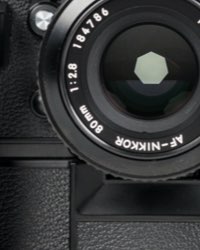
Nikon EM z obiektywem Vivitar 28mm 1:2.8 to lustrzanka jednoobiektywowa (SLR) dla początkujących, z wymiennymi obiektywami , na film 35 mm . Była produkowana przez Nippon Kogaku KK (dziś Nikon Corporation ) w Japonii od 1979 do 1982 roku (dostępna jako nowa u dealera do około 1984 roku). Aparat został zaprojektowany i wprowadzony na rynek dla rosnącego rynku nowych fotografów wchodzących wówczas na rynek kupujących lustrzanki. [ 1 ] EM wykorzystuje migawkę szczelinową Seiko MFC-E z zakresem czasów od 1 do 1/1000 sekundy plus czas B i synchronizacja lampy błyskowej X wynoszący 1/90 sekundy. Ma 86 mm (3,4 cala) wysokości, 135 mm (5,3 cala) szerokości, 54 mm (2,1 cala) głębokości i waży 460 gramów (16 uncji). W przeciwieństwie do większości aparatów Nikon w tamtym czasie, był dostępny tylko w kolorze czarnym. Aparat EM nie posiada w pełni manualnego trybu ekspozycji, lecz został zaprojektowany z myślą o niedoświadczonych fotografach, którzy nie mogli łatwo opanować zawiłości czasów otwarcia migawki i wartości przysłony . Wprowadzono również znaczące zmiany w elementach mechanicznych i elektrycznych aparatu EM, aby obniżyć koszty produkcji w porównaniu z poprzednimi aparatami Nikon: tolerancje wymiarowe nie były tak rygorystyczne, w mechanizmie przesuwu filmu nie było łożysk kulkowych, a wysokiej jakości migawka tytanowa nie była dostępna.
How to buy on Catawiki
1. Discover something special
2. Place the top bid
3. Make a secure payment