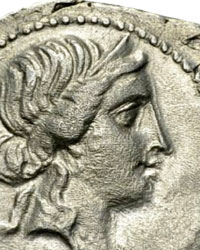
Mysia, Kyzikos Hekte ca. 550–450 v. Chr.


Opens 10:00
Starting bid
€ 1
Add to your favourites to get an alert when the auction starts.

Expert
Selected by Carmen Vera Gutiérrez
Experienced antique appraiser specialising in Spanish coins with deep knowledge of ancient currency.
Estimate € 1,900 - € 2,100
Catawiki Buyer Protection
Your payment’s safe with us until you receive your object.View details
Trustpilot 4.4 | 133284 reviews
Rated Excellent on Trustpilot.
Description from the seller
MYSIA, Kyzicus – Electron Hekte (ca. 550–450 BC)
Description:
1. Obv: A bearded satyr (Silenos) in a kneeling posture ("kneeling") to the left. He holds a tuna by the tail fin in his outstretched right hand. The satyr is depicted muscular, with the characteristic pointed ears and a horse's tail. Below it is the obligatory tuna to the left as a city symbol.
2. Rev: Four-part quadratum incusum (impact square) in the windmill blade shape typical of this era with a slightly grained inner surface.
Technical data:
1. Nominal: Hecke (1/6 staters).
2. Material: Electron (natural gold-silver alloy).
3. Weight: 2.67 g (DM 10.5 mm)
4. Reference: by Fritze I122; Greenwell 41, Boston MFA 1461; SNG BN 270; Prov. ARC ancient Rarity Coins UG
"Anyone who loves the numismatics of Kyzikos simply cannot miss this specimen. It combines the typical robustness of ancient coins with a fine, artistic depth of detail. While the obligatory tuna guarantees its provenance, the depiction of the satyr transports us to the mythological world of ecstasy and wine. An exceptionally well-preserved collector's item, it impresses with its compact form and the perfect alignment of the die. The perfect alignment and full depiction of the bearded satyr is also rare."
MYSIAN, Kyzikos – Electron-Hekte (ca. 550–450 v. Chr.)
Beschreibung:
Avers (Vorderseite): A bearded satyr (Silenos) in a kneeling posture ("kneefrun"?) to the left. He holds in his outstretched right hand a tuna by the tail fin. The satyr is muscular, with the characteristic pointed ears and a horse's tail. Below it is the city sign: the obligatory tuna to the left.
Revers (Rückseite): Four-part quadratum incusum (impact square) in the windmill-blade form typical of this epoch with a slightly grainy inner surface.
Technical data:
Nominal: Hekte (1/6 staters).
Material: Electron (natural gold-silver alloy).
Weight: 2.67 g (DM 10.5 mm)
Reference: from Fritze I122; Greenwell 41, Boston MFA 1461; SNG BN 270; Prov. ARC ancient Rarity Coins UG
„If you love the numismatics of Kyzikos, you simply cannot miss this specimen. It combines the typical robustness of ancient coinage with a fine, artistic depth of detail. While the obligatory tuna guarantees its provenance, the depiction of the satyr transports us to the mythological world of ecstasy and wine. An exceptionally well-preserved collectible item that impresses with its compact form and the perfect alignment of the die. Rare is also the perfect alignment and full depiction of the bearded satyr."
MYSIA, Kyzicus – Electron Hekte (ca. 550–450 BC)
Description:
1. Obv: A bearded satyr (Silenos) in a kneeling posture ("kneeling") to the left. He holds a tuna by the tail fin in his outstretched right hand. The satyr is depicted muscular, with the characteristic pointed ears and a horse's tail. Below it is the obligatory tuna to the left as a city symbol.
2. Rev: Four-part quadratum incusum (impact square) in the windmill blade shape typical of this era with a slightly grained inner surface.
Technical data:
1. Nominal: Hecke (1/6 staters).
2. Material: Electron (natural gold-silver alloy).
3. Weight: 2.67 g (DM 10.5 mm)
4. Reference: by Fritze I122; Greenwell 41, Boston MFA 1461; SNG BN 270; Prov. ARC ancient Rarity Coins UG
"Anyone who loves the numismatics of Kyzikos simply cannot miss this specimen. It combines the typical robustness of ancient coins with a fine, artistic depth of detail. While the obligatory tuna guarantees its provenance, the depiction of the satyr transports us to the mythological world of ecstasy and wine. An exceptionally well-preserved collector's item, it impresses with its compact form and the perfect alignment of the die. The perfect alignment and full depiction of the bearded satyr is also rare."
MYSIAN, Kyzikos – Electron-Hekte (ca. 550–450 v. Chr.)
Beschreibung:
Avers (Vorderseite): A bearded satyr (Silenos) in a kneeling posture ("kneefrun"?) to the left. He holds in his outstretched right hand a tuna by the tail fin. The satyr is muscular, with the characteristic pointed ears and a horse's tail. Below it is the city sign: the obligatory tuna to the left.
Revers (Rückseite): Four-part quadratum incusum (impact square) in the windmill-blade form typical of this epoch with a slightly grainy inner surface.
Technical data:
Nominal: Hekte (1/6 staters).
Material: Electron (natural gold-silver alloy).
Weight: 2.67 g (DM 10.5 mm)
Reference: from Fritze I122; Greenwell 41, Boston MFA 1461; SNG BN 270; Prov. ARC ancient Rarity Coins UG
„If you love the numismatics of Kyzikos, you simply cannot miss this specimen. It combines the typical robustness of ancient coinage with a fine, artistic depth of detail. While the obligatory tuna guarantees its provenance, the depiction of the satyr transports us to the mythological world of ecstasy and wine. An exceptionally well-preserved collectible item that impresses with its compact form and the perfect alignment of the die. Rare is also the perfect alignment and full depiction of the bearded satyr."
Details
Era
Before 1400
Weight
2.67 g
Culture/region
Mysia, Kyzikos
Year/period and variation
ca. 550–450 v. Chr.
Number of items
1
Denomination
Hekte
Metal
THE
Condition
Ungraded
Sold by