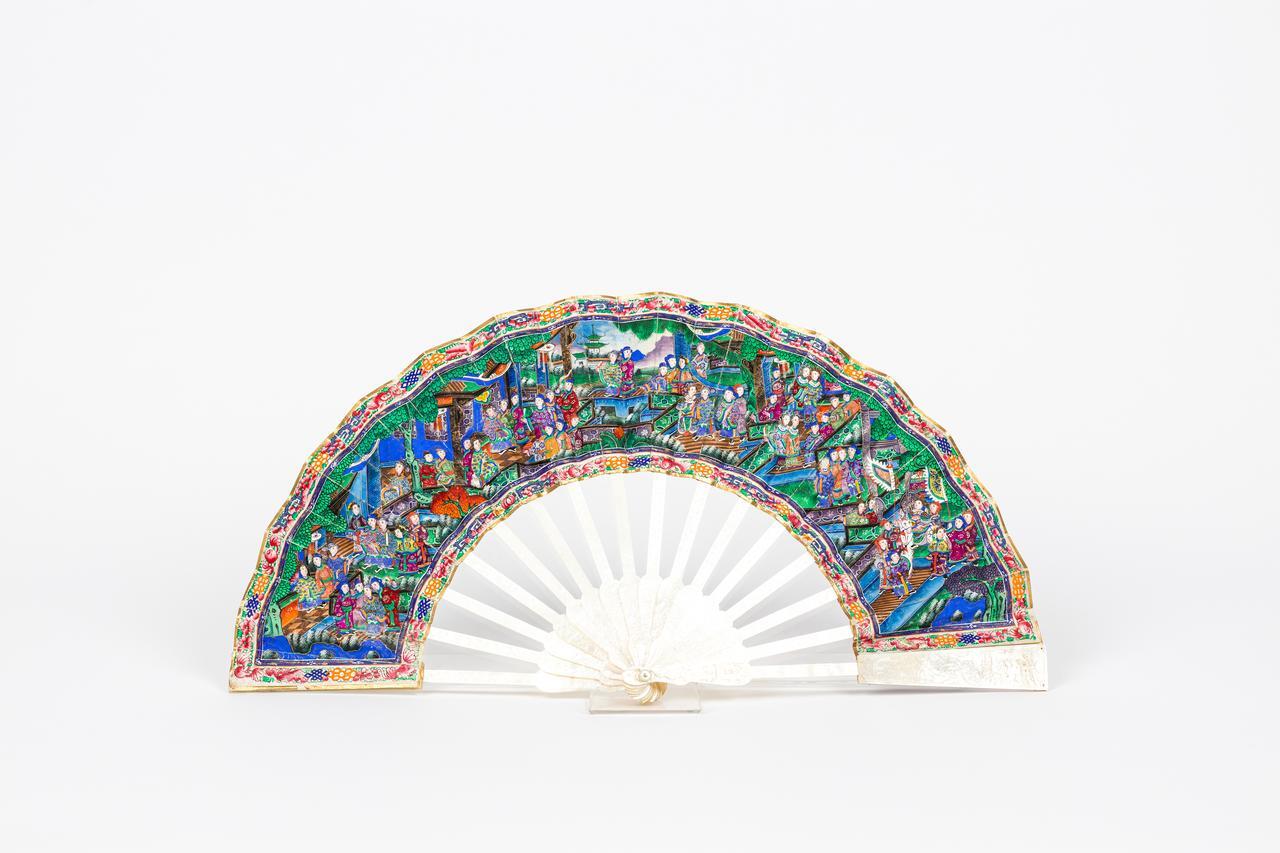
M. Culas - Grammaire de l'Objet Chinois - 1997


03
days
18
hours
19
minutes
29
seconds

No bids placed
Catawiki Buyer Protection
Your payment’s safe with us until you receive your object.View details
Trustpilot 4.4 | 133527 reviews
Rated Excellent on Trustpilot.
Grammaire de l'Objet Chinois by Michel Culas, an illustrated 1997 first edition published by Les Editions de l'Amateur (Paris), in a black cloth binding with a dust jacket, 271 pages, size 29.5 × 22.5 cm (In-4).
AI-assisted summary
Description from the seller
Grammar of the Chinese Object by Michel Culas - Editions de l'Amateur, Paris 1997 - publisher's binding in full black cloth, under a dust jacket with flaps and illustrations, illustrated endpapers and guards, 270 pages augmented by a very large number of color and black-and-white illustrations in text and out of text + a color map of China on a double page produced by Editerra, Paris, format In-4° (29.5 x 22.5 cm) - Detailed table of contents: see photos -
This book is Like New. Flawless - This work is primarily a manual of initiation to Chinese objects, and thus to Chinese material and cultural civilization. This study has rather focused on the 'minor arts.' It is therefore the everyday object that will be discussed more than the work of art. Craftsmanship and folk art, relying on an ancient tradition, have endured. It is this enduring culture, one that resisted wars, destructive ideology, and the new capitalist values today, that this book aims to tell.
Grammar of the Chinese Object by Michel Culas - Editions de l'Amateur, Paris 1997 - publisher's binding in full black cloth, under a dust jacket with flaps and illustrations, illustrated endpapers and guards, 270 pages augmented by a very large number of color and black-and-white illustrations in text and out of text + a color map of China on a double page produced by Editerra, Paris, format In-4° (29.5 x 22.5 cm) - Detailed table of contents: see photos -
This book is Like New. Flawless - This work is primarily a manual of initiation to Chinese objects, and thus to Chinese material and cultural civilization. This study has rather focused on the 'minor arts.' It is therefore the everyday object that will be discussed more than the work of art. Craftsmanship and folk art, relying on an ancient tradition, have endured. It is this enduring culture, one that resisted wars, destructive ideology, and the new capitalist values today, that this book aims to tell.
Details
Number of books
1
Subject
Applied art, Art, Art history, Asian art, China, Graphic design, History, Illustrated, Natural History, Reference, Regional interest, Technology, Travels
Book title
Grammaire de l'Objet Chinois
Author/ Illustrator
M. Culas
Condition
As new
Publication year oldest item
1997
Height
29.5 cm
Edition
1st Edition, Illustrated Edition
Width
22.5 cm
Language
French
Original language
Yes
Publisher
Les Editions de l'Amateur, Paris
Binding/ Material
Hardback
Extras
Dust jacket
Number of pages
271
Sold by