Ginger jar - Enamel


04
days
17
hours
38
minutes
26
seconds
Starting bid
€ 1
Reserve price not met

Expert
Selected by Sarah Le Helley
Studied Asian art and art market management; researched art in Taipei; worked in auctions.
Estimate € 450 - € 500
No bids placed
Catawiki Buyer Protection
Your payment’s safe with us until you receive your object.View details
Trustpilot 4.4 | 136487 reviews
Rated Excellent on Trustpilot.
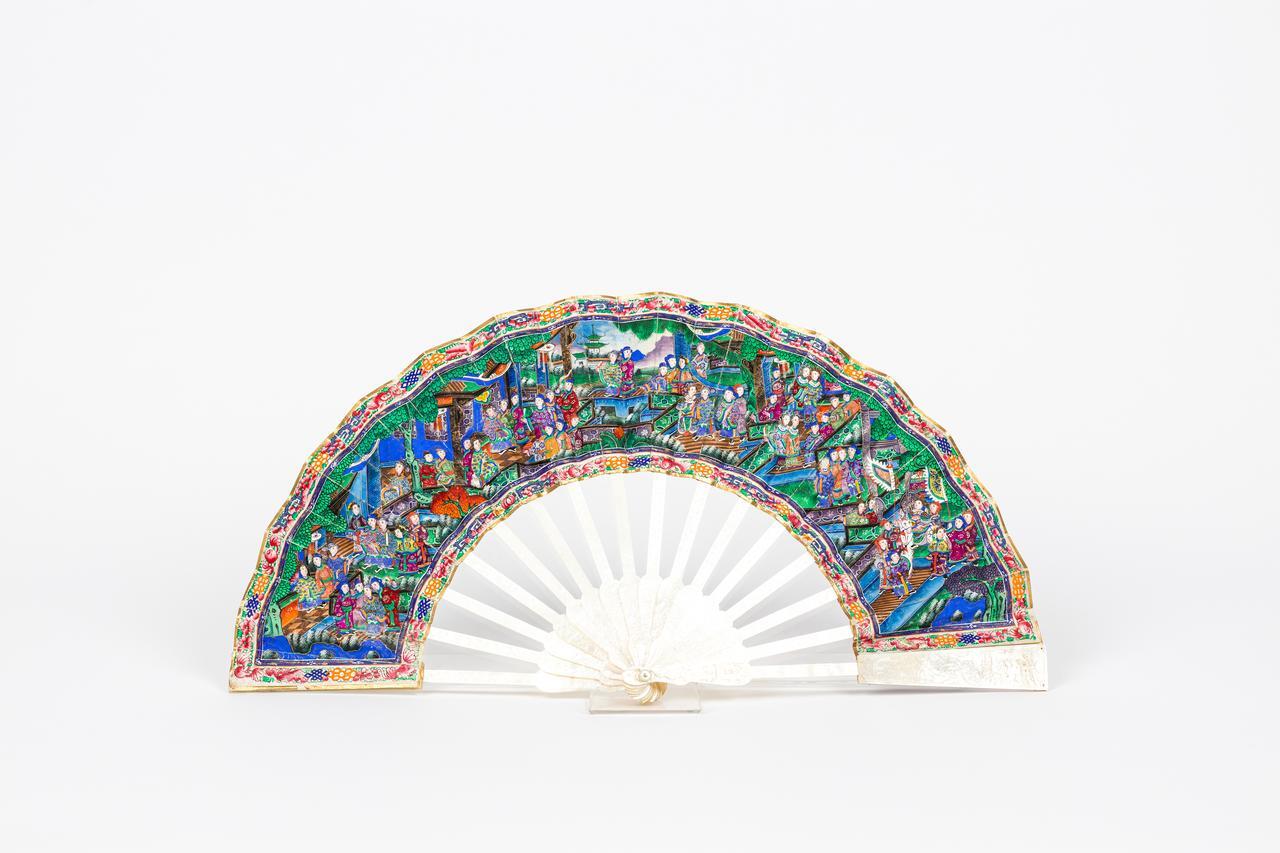
Late 19th century Qing Dynasty cloisonné ginger pot with lid, enamel on copper in a vibrant colour palette on an imperial yellow background, 24.5 cm height, 20 cm width and 20 cm depth, originating from China and described as in new, unused condition.
AI-assisted summary
Description from the seller
This finely decorated ginger jar with its accompanying lid is a striking example of the refined cloisonné technique from the late 19th century. The piece is executed in a vivid color palette against a rare imperial yellow background – a hue traditionally associated with prosperity and status.
The body of the jar is richly adorned with the classic ‘Hundred Antiquities’ (Po-ku) motif. This decoration comprises a carefully composed arrangement of ceremonial vases with peonies and chrysanthemums, incense burners on wooden stands, and various Buddhist symbols. These images symbolize intellectual wealth, a long life, and cultural refinement.
Cloisonné is an ancient technique for decorating metal objects with colored glass-like enamel. Although the technique originated in the Byzantine Empire, the craftsmanship in China reached an unmatched level of perfection during the Ming and Qing dynasties. Creating a cloisonné object such as this ginger jar is an exceptionally labor-intensive process that unfolds in several stages. The craft begins with a copper base on which fine metal wires form the contours of the design. These formed compartments are repeatedly filled with colored glass paste and fired at high temperatures until a solid layer is achieved. After firing, the surface is smooth-polished, and the visible metal wires are often gilded for a luxurious, glossy finish.
This finely decorated ginger jar with its accompanying lid is a striking example of the refined cloisonné technique from the late 19th century. The piece is executed in a vivid color palette against a rare imperial yellow background – a hue traditionally associated with prosperity and status.
The body of the jar is richly adorned with the classic ‘Hundred Antiquities’ (Po-ku) motif. This decoration comprises a carefully composed arrangement of ceremonial vases with peonies and chrysanthemums, incense burners on wooden stands, and various Buddhist symbols. These images symbolize intellectual wealth, a long life, and cultural refinement.
Cloisonné is an ancient technique for decorating metal objects with colored glass-like enamel. Although the technique originated in the Byzantine Empire, the craftsmanship in China reached an unmatched level of perfection during the Ming and Qing dynasties. Creating a cloisonné object such as this ginger jar is an exceptionally labor-intensive process that unfolds in several stages. The craft begins with a copper base on which fine metal wires form the contours of the design. These formed compartments are repeatedly filled with colored glass paste and fired at high temperatures until a solid layer is achieved. After firing, the surface is smooth-polished, and the visible metal wires are often gilded for a luxurious, glossy finish.
Details
Era
1400-1900
Number of objects
1
Country of origin
China
Material
Enamel
Dynastic style/period
Qing Dynasty (1644-1911)
Provenance
Auction house
Condition
As new - unused
Height
24.5 cm
Sold with stand
No
Width
20 cm
Depth
20 cm
Estimated period
1850-1900
Sold by