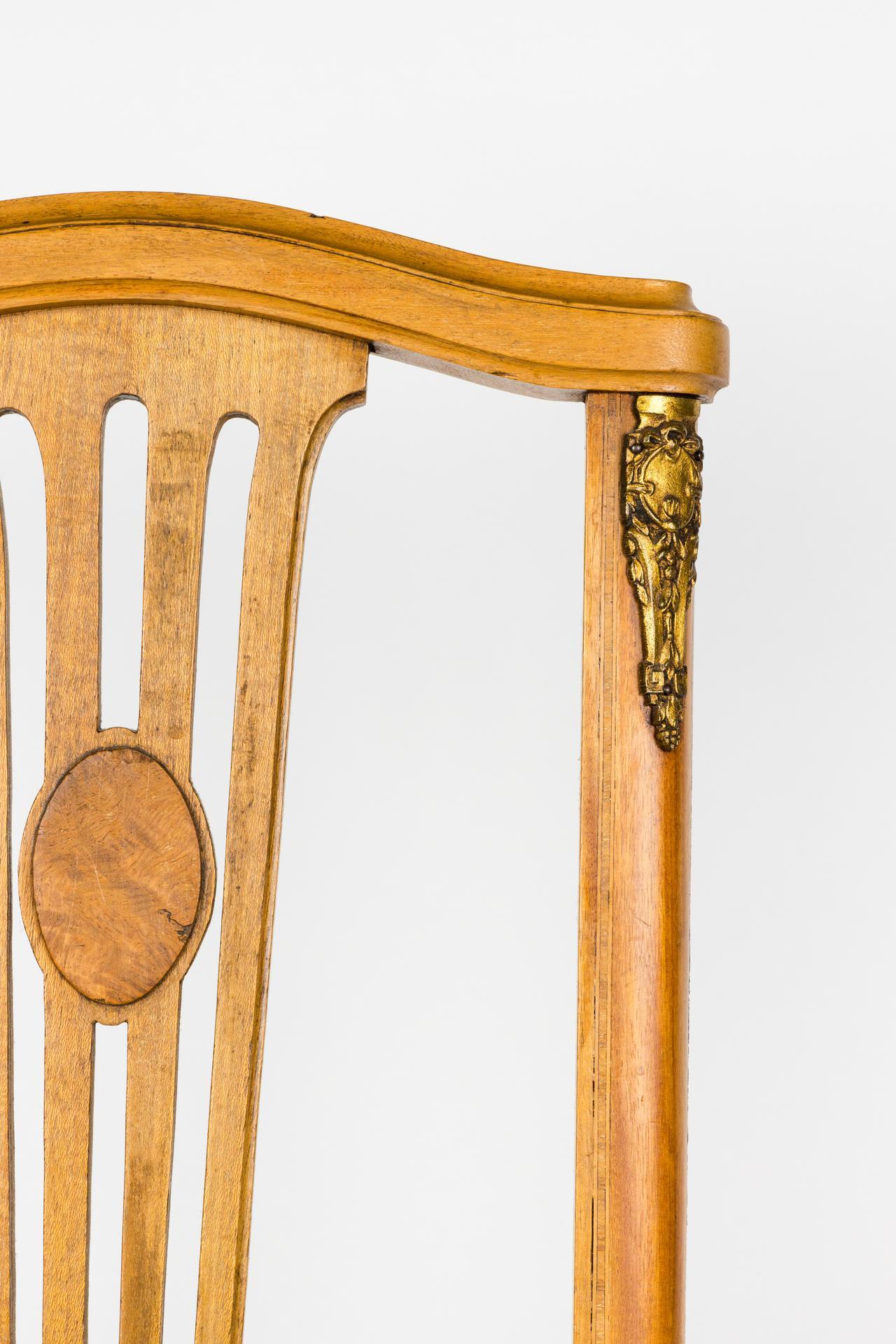
Side table - Rosewood


Starting bid
€ 1
Add to your favourites to get an alert when the auction starts.

Catawiki Buyer Protection
Your payment’s safe with us until you receive your object.View details
Trustpilot 4.4 | 135837 reviews
Rated Excellent on Trustpilot.
Description from the seller
Neapolitan drop-leaf table in wood with turned legs, 19th century
This drop-leaf table represents an example of Neapolitan craftsmanship from the 19th century, characterized by elegant lines and practical functionality. Drop-leaf tables were very common in Neapolitan bourgeois homes in the 1800s, used as work tables, tea tables, or for writing, and valued for their ability to adapt to domestic spaces thanks to the flip leaves. The turned legs and the front drawer reflect the attention to detail typical of Neapolitan cabinetmaking, which combined neoclassical influences with more understated decorative elements than the previous Baroque furniture.
These pieces are highly sought after by collectors of Neapolitan antiques and by enthusiasts of period décor who wish to add a touch of local history to their interiors. The table is especially appreciated for its versatility and timeless charm, representing an interesting investment for those who love functional furniture with historical value and regional provenance. Connoisseurs of 19th-century Neapolitan furniture regard these pieces as essential for recreating the authentic atmosphere of a bourgeois home of the era, with dark wood adding elegance and character to contemporary spaces.
Seller's Story
Welcome to our profile. We are antique enthusiasts with a deep passion for art, history, and the charm of the past, cultivated through years of research and dedication. On Catawiki we offer a careful and curated selection of antiques: from period furniture to refined objets d'art, up to paintings and sculptures of quality.
Our goal is to offer collectors and lovers of beauty authentic pieces, selected rigorously for their quality, rarity, and condition. We guarantee maximum transparency in descriptions, detailed photographs, and secure and professional packaging, so that these wonders of the past can reach your homes intact to continue their story.
Translated by Google TranslateNeapolitan drop-leaf table in wood with turned legs, 19th century
This drop-leaf table represents an example of Neapolitan craftsmanship from the 19th century, characterized by elegant lines and practical functionality. Drop-leaf tables were very common in Neapolitan bourgeois homes in the 1800s, used as work tables, tea tables, or for writing, and valued for their ability to adapt to domestic spaces thanks to the flip leaves. The turned legs and the front drawer reflect the attention to detail typical of Neapolitan cabinetmaking, which combined neoclassical influences with more understated decorative elements than the previous Baroque furniture.
These pieces are highly sought after by collectors of Neapolitan antiques and by enthusiasts of period décor who wish to add a touch of local history to their interiors. The table is especially appreciated for its versatility and timeless charm, representing an interesting investment for those who love functional furniture with historical value and regional provenance. Connoisseurs of 19th-century Neapolitan furniture regard these pieces as essential for recreating the authentic atmosphere of a bourgeois home of the era, with dark wood adding elegance and character to contemporary spaces.
Seller's Story
Welcome to our profile. We are antique enthusiasts with a deep passion for art, history, and the charm of the past, cultivated through years of research and dedication. On Catawiki we offer a careful and curated selection of antiques: from period furniture to refined objets d'art, up to paintings and sculptures of quality.
Our goal is to offer collectors and lovers of beauty authentic pieces, selected rigorously for their quality, rarity, and condition. We guarantee maximum transparency in descriptions, detailed photographs, and secure and professional packaging, so that these wonders of the past can reach your homes intact to continue their story.
Translated by Google TranslateDetails
Era
1400-1900
Weight
9.5 kg
Style subtype
Louis Philippe
Specific region of origin
Napoli
Country of origin
Italy
Material
Rosewood
Style
Antique
Condition
Excellent condition: barely used with minimal signs of wear
Height
68 cm
Width
74 cm
Depth
54 cm
Estimated period
1800-1850, 1850-1900
Sold by