Dinosaur - Fossil tooth - Abelisaurus - 30 mm - 9 mm


05
days
16
hours
55
minutes
48
seconds

No bids placed
Catawiki Buyer Protection
Your payment’s safe with us until you receive your object.View details
Trustpilot 4.4 | 138166 reviews
Rated Excellent on Trustpilot.
Untreated Abelisaurus dinosaur tooth dating to the Cenomanian stage of the Cretaceous (about 100 million years ago), from the Kem Kem Beds, Morocco; authentic original, with a length of 30 mm, width 9 mm, height 30 mm, depth 5 mm and a weight of 55 g.
AI-assisted summary
Description from the seller
Fossil. An Abelisaurus dinosaur tooth.
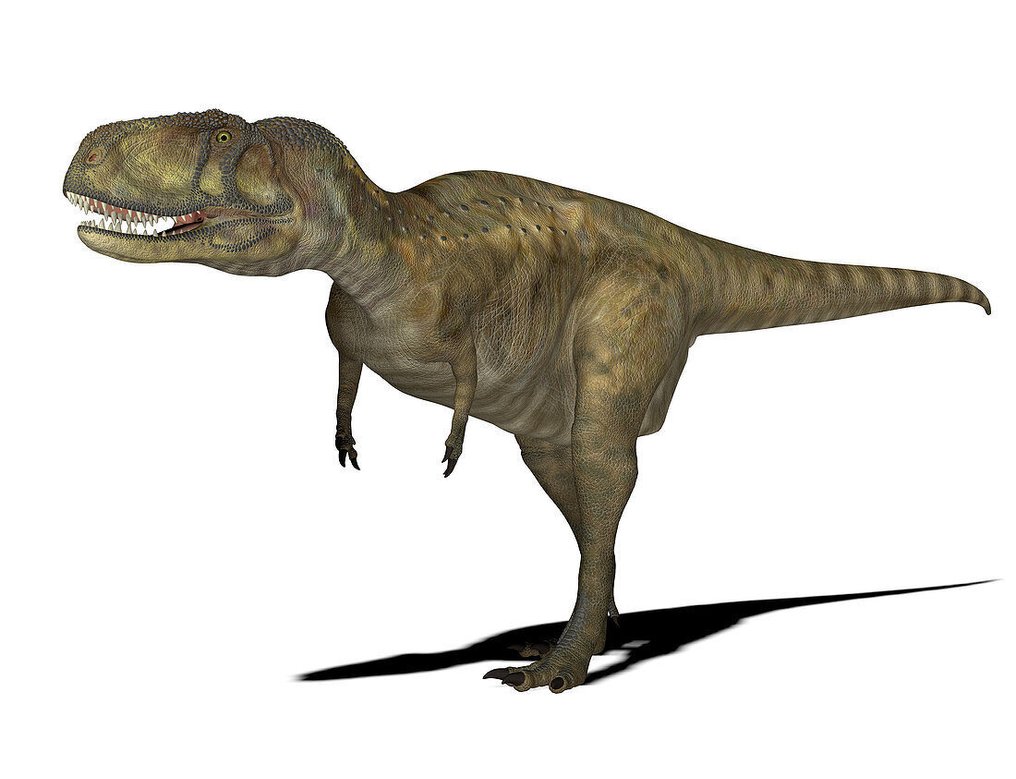
Fossil: This perfectly preserved, very large tooth comes from a theropod in the Abelisauridae, a group of carnivorous dinosaurs. They were recognizable by their extremely small forelimbs, short, deep faces, small sharp teeth, and powerful muscular hind limbs.
This tooth comes from an as-yet undescribed Abelisaurid species from the Kem Kem beds of Morocco.
So far, presumably only two Abelisaurid species have been found in Morocco's Kem-Kem beds. One Abelisaurid (Rugops primus) was named after the Echkar Formation of Niger.
Upper Cretaceous Cenomanian, about 100 million years ago
This tooth shows very sharp, fine serrations along both edges.
Length of fossil: about 30 mm
Find location: Kem-Kem Beds, Morocco
The find originates from a collection dissolution
Fossil. An Abelisaurus dinosaur tooth.
Fossil: This perfectly preserved, very large tooth comes from a theropod in the Abelisauridae, a group of carnivorous dinosaurs. They were recognizable by their extremely small forelimbs, short, deep faces, small sharp teeth, and powerful muscular hind limbs.
This tooth comes from an as-yet undescribed Abelisaurid species from the Kem Kem beds of Morocco.
So far, presumably only two Abelisaurid species have been found in Morocco's Kem-Kem beds. One Abelisaurid (Rugops primus) was named after the Echkar Formation of Niger.
Upper Cretaceous Cenomanian, about 100 million years ago
This tooth shows very sharp, fine serrations along both edges.
Length of fossil: about 30 mm
Find location: Kem-Kem Beds, Morocco
The find originates from a collection dissolution
Details
Number of objects
1
Specimen
Dinosaur
Scientific name
Abelisaurus
Country of origin
Morocco
Geological period
Cretaceous, Upper (100.5 - 66 million years)
Condition
Natural
Weight
55 g
Height
30 mm
Width
9 mm
Depth
5 mm
Authenticity
Original/official
Sold by