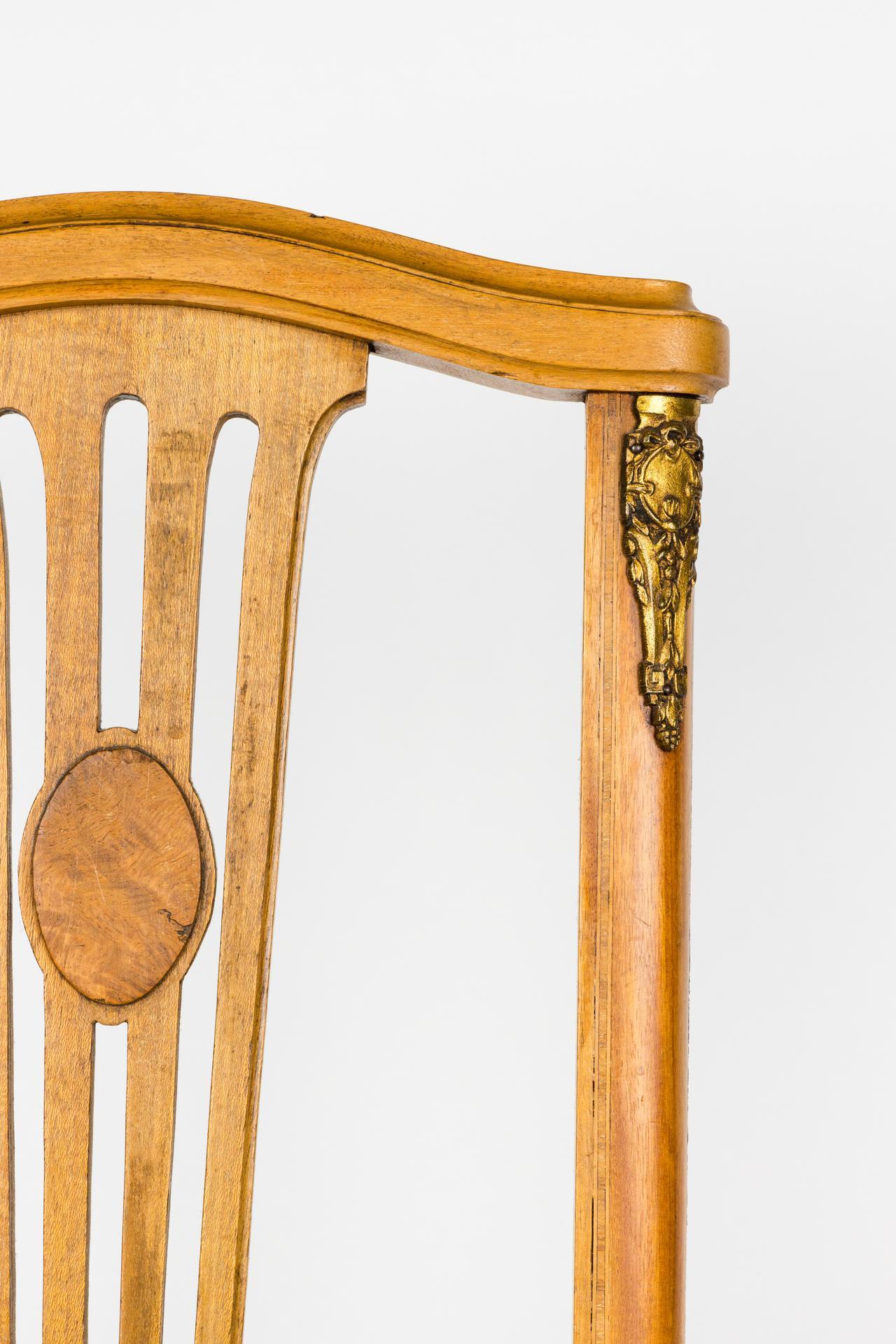
Display cabinet - 1920-1940 - Venetian Crystal Cabinet


04
days
17
hours
17
minutes
11
seconds

 | €200 | |
|---|---|---|
| €190 | |
| €180 | |
Catawiki Buyer Protection
Your payment’s safe with us until you receive your object.View details
Trustpilot 4.4 | 138300 reviews
Rated Excellent on Trustpilot.
Venetian-style crystal display cabinet, antique from 1930–1940, made of walnut and walnut burl with glass panels, measuring 108 cm wide, 24 cm deep and 180 cm high.
AI-assisted summary
Description from the seller
Glass cabinet dated between 1920 and 1940 in Venetian style, with a reinterpreted Louis XV influence incorporating elements typical of Rococo taste and Art Deco.
The display cabinet features distinctive decorative and structural elements, including a contoured crest with a central carved shell and a violin-shaped profile, cabriole legs with scroll feet, and walnut / walnut burl veneering.
The central front features a mirrored panel and a side display cabinet with diamond-printed glass, typical of the first half of the twentieth century.
The cabinet harkens back to an eighteenth-century style, very fashionable in productions for the upper-middle-class segment of the early 1900s.
Aged walnut wood, with walnut burl inlays on the doors, was shellacked many years ago and certainly needs polishing. The hardware is bronze. The back bears the consumption tax stamps for furniture in force at the time, as well as the chalk signature of the selling shop, Briola.
Glass cabinet dated between 1920 and 1940 in Venetian style, with a reinterpreted Louis XV influence incorporating elements typical of Rococo taste and Art Deco.
The display cabinet features distinctive decorative and structural elements, including a contoured crest with a central carved shell and a violin-shaped profile, cabriole legs with scroll feet, and walnut / walnut burl veneering.
The central front features a mirrored panel and a side display cabinet with diamond-printed glass, typical of the first half of the twentieth century.
The cabinet harkens back to an eighteenth-century style, very fashionable in productions for the upper-middle-class segment of the early 1900s.
Aged walnut wood, with walnut burl inlays on the doors, was shellacked many years ago and certainly needs polishing. The hardware is bronze. The back bears the consumption tax stamps for furniture in force at the time, as well as the chalk signature of the selling shop, Briola.
Details
Era
1900-2000
Weight
30 g
Style subtype
Louis XV Style
Glass type
1920-1940
Title additional information
Venetian Crystal Cabinet
Country of origin
Italy
Material
Burr walnut, Glass, Walnut
Style
Antique
Condition
Good condition - used with small signs of aging & blemishes
Height
180 cm
Width
108 cm
Depth
24 cm
Estimated period
1920-1930, 1930-1940
Can Be Locked
Yes
Sold by