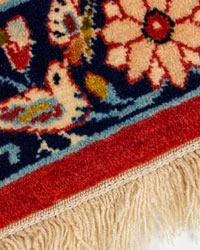
Rug - 140 cm - 115 cm


04
days
14
hours
12
minutes
51
seconds
Starting bid
€ 1
No reserve price

Expert
Selected by Richard Ebbers
Certified appraiser at Federation TMV with 30 years' professional antiques experience.
Estimate € 230 - € 280
No bids placed
Catawiki Buyer Protection
Your payment’s safe with us until you receive your object.View details
Trustpilot 4.4 | 139958 reviews
Rated Excellent on Trustpilot.
Turkish vintage Kilim of the Cicim/Jijim type, 140 cm by 115 cm, wool on wool, origin Turkey, in excellent condition and professionally cleaned.
AI-assisted summary
Description from the seller
Turkish vintage Kilim (specifically of the Cicim or Jijim type), a traditional Anatolian flat-weave artifact by the great master
Main characteristics
Inscription/Signature:
On the right side of the central field, there is a light-colored woven inscription that appears to bear the wording "SULTAN ELPAT.." (related to provenance, producer, and rug model, a detail typical of certain prestigious Turkish/Anatolian manufactories).
Technique and Style: This is a flat-weave Kilim with raised geometric embroidery executed during weaving (Cicim technique), which creates a unique brocaded effect on the surface.
Colors and Palette
The color range is warm, lively, and rich in contrasts:
Dominant color: A deep strawberry/red wine red that forms the background of the central field.
Contrast colors: Widespread use of orange, ochre, mustard yellow, beige, light purple (lavender), and touches of white/creamy tones that make the geometric motifs stand out.
Visual effect: The colors show subtle tonal variations (typical of abrash, the natural variation of hand-dyed yarns), giving movement to the surface.
Motifs and Design
The design is strictly geometric, vertically symmetric and divided into several sections:
The Central Field:
Dominated by large diamond-shaped medallions laid vertically.
Inside the main diamonds are additional, smaller, concentric and detailed motifs (including hourglass shapes and small triangles).
The space between the large diamonds is filled with minor geometric motifs (small diamonds, hooks, and zigzag lines) typical of Kilim tribal symbolism (such as Elibelinde or Koçboynuzu motifs, which symbolize fertility and protection).
The Border:
Side edges (right and left): Feature a light-background (beige/creamy) frame decorated with a sequence of triangles and multicolored sawtooth motifs (orange, purple, brown).
Top and bottom borders (selvedges): Decorated with a row of star-shaped or eight-point geometric cross motifs, alternating dark colors (brown/purple) with warm tones (yellow/orange).
The short edges terminate with a thin fringe woven directly from the loom’s structure.
Symbolism and Motifs: The rug presents central diamond-shaped medallions and traditional tribal motifs, such as hooks and protective geometries against the evil eye (Muska).
Origin: Typical of nomadic or village artisan production in Turkey (Anatolia), historically linked to renowned areas such as Konya or Adana.
Turkish vintage Kilim (specifically of the Cicim or Jijim type), a traditional Anatolian flat-weave artifact by the great master
Main characteristics
Inscription/Signature:
On the right side of the central field, there is a light-colored woven inscription that appears to bear the wording "SULTAN ELPAT.." (related to provenance, producer, and rug model, a detail typical of certain prestigious Turkish/Anatolian manufactories).
Technique and Style: This is a flat-weave Kilim with raised geometric embroidery executed during weaving (Cicim technique), which creates a unique brocaded effect on the surface.
Colors and Palette
The color range is warm, lively, and rich in contrasts:
Dominant color: A deep strawberry/red wine red that forms the background of the central field.
Contrast colors: Widespread use of orange, ochre, mustard yellow, beige, light purple (lavender), and touches of white/creamy tones that make the geometric motifs stand out.
Visual effect: The colors show subtle tonal variations (typical of abrash, the natural variation of hand-dyed yarns), giving movement to the surface.
Motifs and Design
The design is strictly geometric, vertically symmetric and divided into several sections:
The Central Field:
Dominated by large diamond-shaped medallions laid vertically.
Inside the main diamonds are additional, smaller, concentric and detailed motifs (including hourglass shapes and small triangles).
The space between the large diamonds is filled with minor geometric motifs (small diamonds, hooks, and zigzag lines) typical of Kilim tribal symbolism (such as Elibelinde or Koçboynuzu motifs, which symbolize fertility and protection).
The Border:
Side edges (right and left): Feature a light-background (beige/creamy) frame decorated with a sequence of triangles and multicolored sawtooth motifs (orange, purple, brown).
Top and bottom borders (selvedges): Decorated with a row of star-shaped or eight-point geometric cross motifs, alternating dark colors (brown/purple) with warm tones (yellow/orange).
The short edges terminate with a thin fringe woven directly from the loom’s structure.
Symbolism and Motifs: The rug presents central diamond-shaped medallions and traditional tribal motifs, such as hooks and protective geometries against the evil eye (Muska).
Origin: Typical of nomadic or village artisan production in Turkey (Anatolia), historically linked to renowned areas such as Konya or Adana.
Details
Era
1900-2000
Colour
Red
Length
140 cm
Width
115 cm
Material
Wool on wool
Country of origin
Türkiye
Condition
In very good condition
Professionally cleaned
Yes
Manufacturing period
Mid 20th century
Weight
3.5 g
Sold by