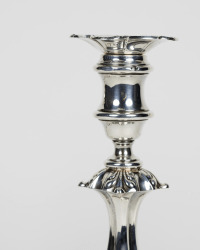
Cane - .800 silver, Palm


04
days
15
hours
57
minutes
03
seconds
Current bid
€ 62
Reserve price not met

Expert
Selected by Jeroen Zoetmulder
Has over 30 years of experience in archaeology and is an appraiser specialising in archaeological objects.
Estimate € 220 - € 250
 | €62 |
|---|
Catawiki Buyer Protection
Your payment’s safe with us until you receive your object.View details
Trustpilot 4.4 | 140076 reviews
Rated Excellent on Trustpilot.
Antique collection walking cane with a palmwood shaft and solid silver ferrule in 800 silver, featuring an intricately engraved heraldic monogram and a brass/ Nickel-base tip, dating from the late 19th to early 20th century (Art Nouveau), about 89.5 cm long and in excellent vintage condition with minor signs of wear.
AI-assisted summary
Description from the seller
Collection-style cane in Palmwood and Castão in silver with a monogram engraved – 19th Century / Early 20th CenturyDescription:Elegant and unusual antique gentleman’s walking cane, dated to the late 19th century or early 20th century (Art Nouveau / Belle Époque). A highly decorative collectible piece with refined artisanal craftsmanship.Castão (Pommel): Made in solid silver, finely worked in relief (repoussé and chiselled) with floral motifs and vegetal scrolls. The top of the pommel features a faceted termination where a delicate heraldic monogram is hand-engraved with intertwined initials (visible period classic calligraphy).The Shaft (Stick): Features an unusual and highly coveted structure in palmwood (internationally known as Partridge wood or Palmwood), easily identifiable by its contrasting black and light brown fibrous grain, giving it a unique tiger-striped or spotted pattern of great aesthetic beauty.The Ferrule: Ends at the base with an original metal ferrule in nickel-plated brass/bronze with natural wear, typical of use in the period.Marks and Contrast: The lower ferrule of the castão bears original tooling stamps from the engraver/manufacturer. Two marks are identified: a diamond-shaped punch (typical manufacturer/goldsmith mark) and an oval punch indicating silver content/assurance. Due to patina and time wear, the marks are slightly worn but they ensure authenticity and the silver purity of the era (typically associated with European silvers of 800 or higher fineness). Dimensions:Number total length: about 89.5 cm (the castão ends precisely at the 89.5 cm mark on the measuring tape).Condition:Excellent vintage/antique condition. It presents a beautiful natural patina on metal and wood, with slight signs of handling and age that only confirm its authenticity and history. No breaks in the wood.Technical Summary of its QuestionsType of Wood: Palmwood / Partridge wood. It is an exotic wood highly prized in prestige canes at the turn of the century due to its unique two-tone fibrous pattern and high strength.Era: Late 19th century or early 20th century (c. 1890–1910). The organic floral style of the castão and the monogram handwriting point directly to the transitional period between Victorian Historicism and Art Nouveau.Marks of Contrast: The piece has two official stamps on the ferrule: the diamond mark (internationally reserved for the manufacturer/goldsmith) and the oval mark (usually indicating the assay office and hallmark of European standard or French origin). The natural wear gives it the patina of the era.
Collection-style cane in Palmwood and Castão in silver with a monogram engraved – 19th Century / Early 20th CenturyDescription:Elegant and unusual antique gentleman’s walking cane, dated to the late 19th century or early 20th century (Art Nouveau / Belle Époque). A highly decorative collectible piece with refined artisanal craftsmanship.Castão (Pommel): Made in solid silver, finely worked in relief (repoussé and chiselled) with floral motifs and vegetal scrolls. The top of the pommel features a faceted termination where a delicate heraldic monogram is hand-engraved with intertwined initials (visible period classic calligraphy).The Shaft (Stick): Features an unusual and highly coveted structure in palmwood (internationally known as Partridge wood or Palmwood), easily identifiable by its contrasting black and light brown fibrous grain, giving it a unique tiger-striped or spotted pattern of great aesthetic beauty.The Ferrule: Ends at the base with an original metal ferrule in nickel-plated brass/bronze with natural wear, typical of use in the period.Marks and Contrast: The lower ferrule of the castão bears original tooling stamps from the engraver/manufacturer. Two marks are identified: a diamond-shaped punch (typical manufacturer/goldsmith mark) and an oval punch indicating silver content/assurance. Due to patina and time wear, the marks are slightly worn but they ensure authenticity and the silver purity of the era (typically associated with European silvers of 800 or higher fineness). Dimensions:Number total length: about 89.5 cm (the castão ends precisely at the 89.5 cm mark on the measuring tape).Condition:Excellent vintage/antique condition. It presents a beautiful natural patina on metal and wood, with slight signs of handling and age that only confirm its authenticity and history. No breaks in the wood.Technical Summary of its QuestionsType of Wood: Palmwood / Partridge wood. It is an exotic wood highly prized in prestige canes at the turn of the century due to its unique two-tone fibrous pattern and high strength.Era: Late 19th century or early 20th century (c. 1890–1910). The organic floral style of the castão and the monogram handwriting point directly to the transitional period between Victorian Historicism and Art Nouveau.Marks of Contrast: The piece has two official stamps on the ferrule: the diamond mark (internationally reserved for the manufacturer/goldsmith) and the oval mark (usually indicating the assay office and hallmark of European standard or French origin). The natural wear gives it the patina of the era.
Details
Era
1400-1900
Gross weight
313 g
Silver type
.800 silver
Wood type
Palm
Number of objects
1
Material
Silver, Wood
Style
Art Nouveau
Condition
Good condition - used with small signs of aging & blemishes
Height
89.5 cm
Width
2 cm
Depth
2 cm
Estimated period
1850-1900
Sold by