Kelim - 315 cm - 220 cm - Atlas Berber rug


05
days
09
hours
00
minutes
04
seconds
Starting bid
€ 1
Reserve price not met

Expert
Selected by Richard Ebbers
Certified appraiser at Federation TMV with 30 years' professional antiques experience.
Estimate € 300 - € 350
No bids placed
Catawiki Buyer Protection
Your payment’s safe with us until you receive your object.View details
Trustpilot 4.4 | 139647 reviews
Rated Excellent on Trustpilot.
Description from the seller
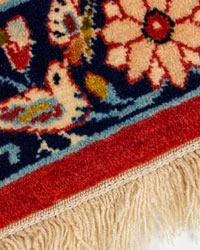
Berber rug Estimated age: 20th century (probably mid to late century) Materials: Wool Style: Geometric striped patterns, vivid colors Origin: Morocco (likely a Berber tribe) Historical significance: Berber rugs are traditional textile works created by Berber populations in North Africa, mainly in Morocco. Each rug tells a story through its motifs, symbols, and colors, often reflecting daily life, spiritual beliefs, and the weaver’s social status. This rug in particular, with its bright, saturated stripes, suggests a relatively recent creation, while still rooted in a centuries-old artisanal tradition. These rugs were used as coverings, floor coverings, or functional textile elements for the home. The bright, and often unconventional, colors are characteristic of some more modern Berber rugs, reflecting the influence of synthetic dyes and contemporary styles. The arrangement of the stripes may carry symbolic meaning specific to the tribe or family that wove the rug. The tassels at the ends of the rug are often left natural or can be tied for greater sturdiness.
Berber rug Estimated age: 20th century (probably mid to late century) Materials: Wool Style: Geometric striped patterns, vivid colors Origin: Morocco (likely a Berber tribe) Historical significance: Berber rugs are traditional textile works created by Berber populations in North Africa, mainly in Morocco. Each rug tells a story through its motifs, symbols, and colors, often reflecting daily life, spiritual beliefs, and the weaver’s social status. This rug in particular, with its bright, saturated stripes, suggests a relatively recent creation, while still rooted in a centuries-old artisanal tradition. These rugs were used as coverings, floor coverings, or functional textile elements for the home. The bright, and often unconventional, colors are characteristic of some more modern Berber rugs, reflecting the influence of synthetic dyes and contemporary styles. The arrangement of the stripes may carry symbolic meaning specific to the tribe or family that wove the rug. The tassels at the ends of the rug are often left natural or can be tied for greater sturdiness.
Details
Era
1900-2000
Specific region of origin
Atlas
Title additional information
Atlas Berber rug
Number of objects
1
Colour
Multicolour
Length
315 cm
Width
220 cm
Material
Wool on wool
Country of origin
Morocco
Condition
In very good condition
Professionally cleaned
Yes
Manufacturing period
Mid 20th century
Weight
12 kg
Sold by