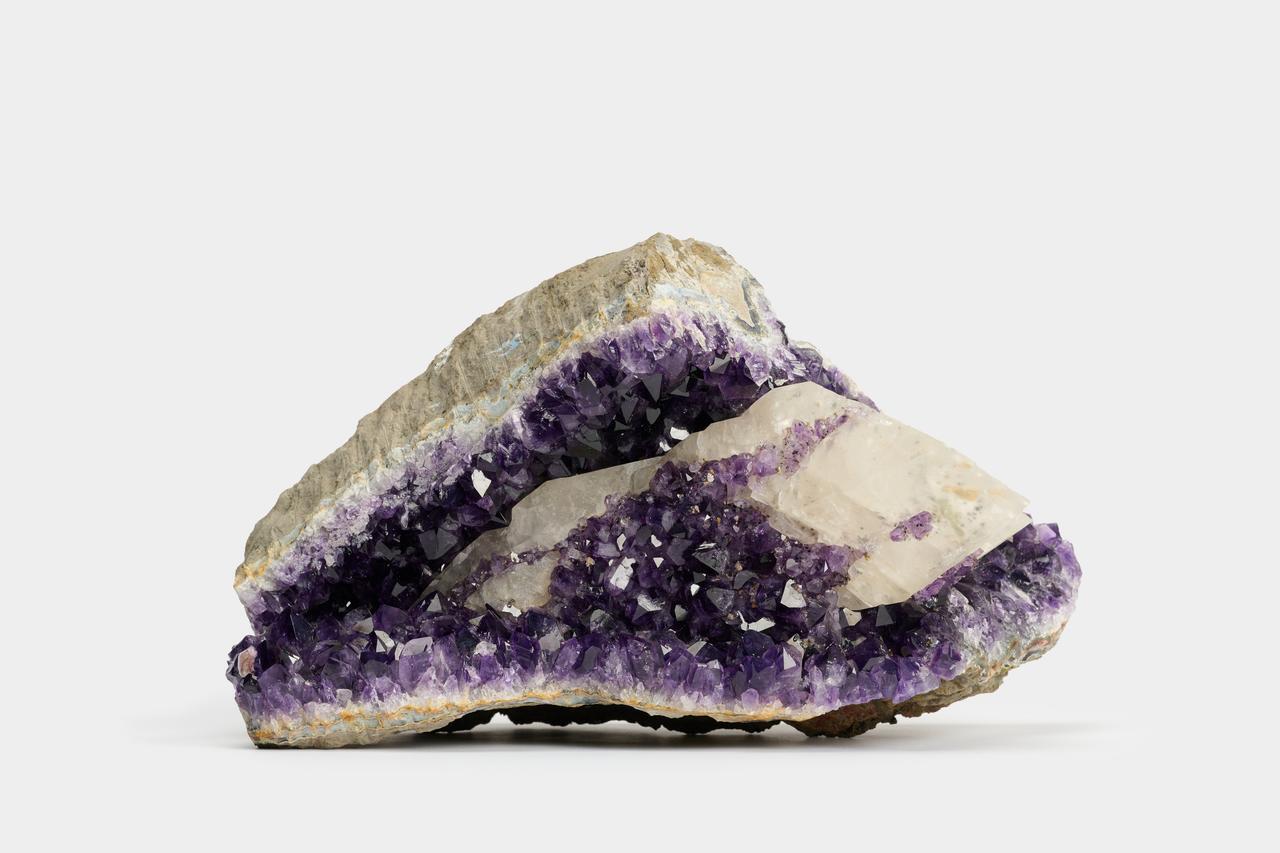
Opal Crystal - Height: 70 mm - Width: 60 mm- 251 g - (1)


Starting bid
€ 1
Add to your favourites to get an alert when the auction starts.

Expert
Selected by Antonio Rapisarda
Holds a master’s in chemistry with 25 years’ experience in minerals consulting.
Estimate € 150 - € 200
Catawiki Buyer Protection
Your payment’s safe with us until you receive your object.View details
Trustpilot 4.4 | 139958 reviews
Rated Excellent on Trustpilot.
Description from the seller
Ethiopian rough opal – 251 g / approx. 1.255 ct – large translucent opal mass with red-green play-of-color and natural matrix
Offered is an exceptionally large rough opal from Ethiopia weighing 251 grams, corresponding to about 1.255 carats.
The piece is in its natural rough state and shows large continuous translucent to partially clearly light-transmissive opal zones. Especially noticeable are the warm honey, amber, and orange hues as well as the play-of-color visible at several points.
Depending on the viewing angle and light incidence, especially strong red and green color reflections emerge.
Color and play-of-color
The body color varies within the stone from lighter honey-colored and yellowish areas over amber and orange to more intense cognac- and reddish-brown patches.
Within this base color, the rough opal shows pronounced color play at numerous points.
Under appropriate lighting, light penetrates far into the stone. This makes internal structures, different color zones, and deeper color play visible.
Some areas appear especially translucent in backlighting. However, the transparency is not uniform across the entire piece. In addition to clearer areas, there are cloudier zones, natural inclusions, matrix residues, and internal crack and fracture structures.
Color play in backlight
Some of the photographs were deliberately taken against the sun.
This makes the internal color play particularly clearly visible. In particular, the green and red color zones appear sometimes very strong under this lighting.
This appearance depends on the viewing angle and the light source and may appear much more restrained under normal indoor lighting.
Natural matrix / host rock
The original host rock or natural matrix is partly preserved.
The beige-gray to brown matrix areas are especially located on various outer and edge areas of the piece. On other sides there are large continuous opal surfaces exposed.
Of particular interest is the natural transition between matrix and transparent or translucent opal.
The matrix was consciously not completely removed. The stone thereby continues to document its natural formation and embedding structure.
On one side there is a larger contiguous matrix area with numerous natural depressions and hollow spaces. This side was also photographed in detail.
Natural inclusions, cracks and fracture structures
The rough opal possesses numerous characteristics typical for an untreated natural piece.
Notably visible are:
- natural matrix portions
- mineral inclusions
- natural depressions and hollows
- internal crack and fracture lines
- fissures
- natural break surfaces
- varying transparency and opal zones
Several crack and fracture lines traverse the translucent opal areas and are clearly visible in the photographs.
Photography – important note
The photographs show the actually offered specimen from many different perspectives and, in part, in macro close-up.
The shots were taken in natural direct sunlight.
Some of the photographs were additionally taken against the sun to reveal transparency, internal structures, and the existing color play.
The stone was moistened for the photographs.
Moistening increases surface luster and can also influence transparency and optical appearance, especially in hydrophane opal. Direct sunlight and backlighting also make the color play stand out more strongly.
The photographs therefore expressly document the appearance of the moistened stone under direct sunlight or partially in backlight.
Note on Ethiopian opal and hydrophane properties
A large portion of Ethiopian opals can have hydrophane properties. Hydrophane opal is porous and can absorb water. This can temporarily alter transparency and optical appearance.
For Ethiopian Wollo opals, this behavior is well documented gemmologically. Studies by the Gemological Institute of America (GIA) show that water absorption in hydrophane opal can change transparency and that the response within a single rough piece can vary due to differing porosity.
However, the stone offered here has not been gemologically tested for its hydrophane properties. Neither is there gemological determination of a specific source deposit within Ethiopia.
For this reason, no specific regional origin within Ethiopia and no particular hydrophane classification is guaranteed.
Details about the piece
Mineral: Rough opal
Origin: Ethiopia
Weight: 251 g
Carat weight: approx. 1.255 ct
Condition: natural rough state
Matrix/host rock: present, partially larger natural matrix areas
Transparency: large translucent, partially clearly light-transmissive areas
Body color: honey yellow, amber, orange, cognac to reddish-brown
Play-of-color: especially red, green, orange, and yellow; locally additional hues
Natural features: matrix, inclusions, hollows, cracks, fissures, and fracture lines.
Sale is by private party.
All information has been provided to the best of my knowledge and based on my own observations and the information available to me. I am a private seller and not a gemological institute.
Therefore I do not warrant the accuracy of mineralogical or gemological determinations, origin assignments, or other details to the extent permitted by law. Despite careful description, inadvertent errors or deviations in individual details cannot be completely ruled out.
The photographs are an explicit part of the description. Please examine all pictures carefully. They document especially color, matrix, inclusions, hollows, natural cracks, fracture lines, surface structure, and the overall condition of the offered piece.
Please note that the photographs show the moistened stone under direct sunlight and partially in backlight.
The item is sold in the actual condition shown in the photographs.
This is a private sale with exclusion of liability for material defects to the extent legally permissible. No warranty and no return."
Ethiopian rough opal – 251 g / approx. 1.255 ct – large translucent opal mass with red-green play-of-color and natural matrix
Offered is an exceptionally large rough opal from Ethiopia weighing 251 grams, corresponding to about 1.255 carats.
The piece is in its natural rough state and shows large continuous translucent to partially clearly light-transmissive opal zones. Especially noticeable are the warm honey, amber, and orange hues as well as the play-of-color visible at several points.
Depending on the viewing angle and light incidence, especially strong red and green color reflections emerge.
Color and play-of-color
The body color varies within the stone from lighter honey-colored and yellowish areas over amber and orange to more intense cognac- and reddish-brown patches.
Within this base color, the rough opal shows pronounced color play at numerous points.
Under appropriate lighting, light penetrates far into the stone. This makes internal structures, different color zones, and deeper color play visible.
Some areas appear especially translucent in backlighting. However, the transparency is not uniform across the entire piece. In addition to clearer areas, there are cloudier zones, natural inclusions, matrix residues, and internal crack and fracture structures.
Color play in backlight
Some of the photographs were deliberately taken against the sun.
This makes the internal color play particularly clearly visible. In particular, the green and red color zones appear sometimes very strong under this lighting.
This appearance depends on the viewing angle and the light source and may appear much more restrained under normal indoor lighting.
Natural matrix / host rock
The original host rock or natural matrix is partly preserved.
The beige-gray to brown matrix areas are especially located on various outer and edge areas of the piece. On other sides there are large continuous opal surfaces exposed.
Of particular interest is the natural transition between matrix and transparent or translucent opal.
The matrix was consciously not completely removed. The stone thereby continues to document its natural formation and embedding structure.
On one side there is a larger contiguous matrix area with numerous natural depressions and hollow spaces. This side was also photographed in detail.
Natural inclusions, cracks and fracture structures
The rough opal possesses numerous characteristics typical for an untreated natural piece.
Notably visible are:
- natural matrix portions
- mineral inclusions
- natural depressions and hollows
- internal crack and fracture lines
- fissures
- natural break surfaces
- varying transparency and opal zones
Several crack and fracture lines traverse the translucent opal areas and are clearly visible in the photographs.
Photography – important note
The photographs show the actually offered specimen from many different perspectives and, in part, in macro close-up.
The shots were taken in natural direct sunlight.
Some of the photographs were additionally taken against the sun to reveal transparency, internal structures, and the existing color play.
The stone was moistened for the photographs.
Moistening increases surface luster and can also influence transparency and optical appearance, especially in hydrophane opal. Direct sunlight and backlighting also make the color play stand out more strongly.
The photographs therefore expressly document the appearance of the moistened stone under direct sunlight or partially in backlight.
Note on Ethiopian opal and hydrophane properties
A large portion of Ethiopian opals can have hydrophane properties. Hydrophane opal is porous and can absorb water. This can temporarily alter transparency and optical appearance.
For Ethiopian Wollo opals, this behavior is well documented gemmologically. Studies by the Gemological Institute of America (GIA) show that water absorption in hydrophane opal can change transparency and that the response within a single rough piece can vary due to differing porosity.
However, the stone offered here has not been gemologically tested for its hydrophane properties. Neither is there gemological determination of a specific source deposit within Ethiopia.
For this reason, no specific regional origin within Ethiopia and no particular hydrophane classification is guaranteed.
Details about the piece
Mineral: Rough opal
Origin: Ethiopia
Weight: 251 g
Carat weight: approx. 1.255 ct
Condition: natural rough state
Matrix/host rock: present, partially larger natural matrix areas
Transparency: large translucent, partially clearly light-transmissive areas
Body color: honey yellow, amber, orange, cognac to reddish-brown
Play-of-color: especially red, green, orange, and yellow; locally additional hues
Natural features: matrix, inclusions, hollows, cracks, fissures, and fracture lines.
Sale is by private party.
All information has been provided to the best of my knowledge and based on my own observations and the information available to me. I am a private seller and not a gemological institute.
Therefore I do not warrant the accuracy of mineralogical or gemological determinations, origin assignments, or other details to the extent permitted by law. Despite careful description, inadvertent errors or deviations in individual details cannot be completely ruled out.
The photographs are an explicit part of the description. Please examine all pictures carefully. They document especially color, matrix, inclusions, hollows, natural cracks, fracture lines, surface structure, and the overall condition of the offered piece.
Please note that the photographs show the moistened stone under direct sunlight and partially in backlight.
The item is sold in the actual condition shown in the photographs.
This is a private sale with exclusion of liability for material defects to the extent legally permissible. No warranty and no return."
Details
Number of objects
1
Main mineral
Opal
Mineral form
Crystal
Weight
251 g
Country of origin
Ethiopia
Height
70 mm
Width
60 mm
Depth
45 mm
Sold by
Disclaimer
It is believed that certain gemstones and minerals have beneficial health and spiritual properties. However, using or wearing gemstones or minerals does not mean that you can treat, cure or prevent any disease. Please consult your health care professional for information on health care issues and do not stop any medications or courses of treatment, without first consulting your health care professional. The use of gemstones or minerals as a wellness therapy is one of personal choice. While stones or crystals have been used historically to relieve or prevent symptoms, the objects sold on our website offer no guarantee of results. Therefore, Catawiki cannot guarantee or be held liable for the effectiveness of these objects sold herein.
It is believed that certain gemstones and minerals have beneficial health and spiritual properties. However, using or wearing gemstones or minerals does not mean that you can treat, cure or prevent any disease. Please consult your health care professional for information on health care issues and do not stop any medications or courses of treatment, without first consulting your health care professional. The use of gemstones or minerals as a wellness therapy is one of personal choice. While stones or crystals have been used historically to relieve or prevent symptoms, the objects sold on our website offer no guarantee of results. Therefore, Catawiki cannot guarantee or be held liable for the effectiveness of these objects sold herein.