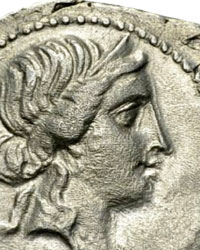
Byzantine Empire. Isaac II Angelos (AD 1185-1195). Hyperpyron


06
days
15
hours
07
minutes
48
seconds
Current bid
€ 220
Reserve price not met

Expert
Selected by Carmen Vera Gutiérrez
Experienced antique appraiser specialising in Spanish coins with deep knowledge of ancient currency.
Estimate € 900 - € 1,100
 | €220 | |
|---|---|---|
| €200 |
Catawiki Buyer Protection
Your payment’s safe with us until you receive your object.View details
Trustpilot 4.4 | 140426 reviews
Rated Excellent on Trustpilot.
Byzantine Empire gold Hyperpyron of Isaac II Angelus (1185–1195), late issue, weighing 2.65 g, ungraded.
AI-assisted summary
Description from the seller
BYZANTINE EMPIRE – ISAAC II ANGELUS (1185–1195) – EXCEPTIONALLY RARE LATE-ISSUE GOLD HYPERPYRON – 2.65 g – EX NIEMCZYK
A highly unusual and particularly scarce late-issue gold Hyperpyron of the Byzantine emperor Isaac II Angelus (1185–1195), distinguished by its exceptionally low weight, markedly late style and remarkable numismatic character.
Byzantine Empire
Isaac II Angelus, first reign, AD 1185–1195
Mint: Constantinople
Denomination: Hyperpyron
Metal: Gold (Au)
Weight: 2.65 g
Obverse
Christ Pantokrator, represented according to the traditional sacred iconography of Byzantine imperial coinage.
Reverse
Emperor Isaac II Angelus, standing and holding the imperial regalia.
Of exceptional numismatic interest
This is not a conventional full-weight Hyperpyron of Isaac II Angelus.
The present specimen belongs to a very late and highly irregular phase of the emperor’s gold coinage and is remarkable above all for its exceptionally reduced weight of only 2.65 g.
Regular Hyperpyra of Isaac II are generally encountered at approximately 4.2–4.4 g, making the weight of the present coin dramatically lower than that of the standard gold denomination.
The respected Polish auction house Antykwariat Numizmatyczny Michał Niemczyk specifically described this specimen as a late emission, very carelessly executed, with a die utilised from the aspron trachy type.
This unusual technical characteristic, together with the very low weight and strongly late style, makes the coin an especially fascinating witness to the progressive deterioration and transformation of Byzantine precious-metal coinage during the final decades of the 12th century.
The specimen should therefore not be viewed merely as another Hyperpyron of Isaac II, but as an exceptional late monetary phenomenon of the Angelid period.
Historical context
Isaac II Angelus came to the Byzantine throne in 1185 after the overthrow of Andronikos I Komnenos.
His reign marked one of the most difficult phases of the late Byzantine Empire. Although the Norman invasion was eventually repelled, Byzantium suffered severe political instability, fiscal pressure and important territorial losses. The Bulgarian uprising beginning in 1185 further weakened imperial authority in the Balkans.
The monetary system reflected these growing difficulties.
The Hyperpyron, introduced almost a century earlier by Alexios I Komnenos as the cornerstone of the restored Byzantine gold currency, progressively declined in quality during the 12th century. By the reign of Isaac II, the monetary system had become increasingly unstable.
The present exceptionally reduced-weight specimen is therefore particularly evocative of this period of transition.
Only a few years later, the political crisis of the Angelid dynasty contributed to the events that culminated in the capture and sack of Constantinople by the Fourth Crusade in 1204.
An exceptional late issue
The extreme reduction in weight to 2.65 g, combined with the crude late execution noted by the previous auction house, gives the coin a character fundamentally different from the regular Hyperpyra of Isaac II.
Its irregular manufacture should therefore not be interpreted simply as poor preservation. It forms an important part of the numismatic identity of the piece and reflects the changing standards of the late Angelid monetary system.
Of particular specialist interest is the previous auction attribution noting the use of a die associated with the aspron trachy type, an unusual feature that further distinguishes the specimen from normal Hyperpyron issues.
Rarity
Standard Hyperpyra of Isaac II Angelus appear periodically on the international numismatic market.
This extraordinarily reduced-weight late form is far less commonly encountered.
At only 2.65 g, with its distinctive late manufacture, highly irregular character and unusual die attribution, the present specimen represents a particularly uncommon manifestation of the gold coinage of Isaac II.
Its rarity and collector interest result from the combination of:
exceptionally low weight,
very late emission,
irregular manufacture,
aspron-trachy-related die attribution,
documented professional auction provenance.
The significance of the coin lies not merely in the ruler or denomination, but in the specific late and anomalous character of this individual specimen.
Provenance
Antykwariat Numizmatyczny Michał Niemczyk / Aukcjamonet.pl
Auction 51 – Session III
Lot 3253
16 September 2025
The auction house specifically described the coin as a late emission and noted the unusual use of a die derived from the aspron trachy type.
The documented appearance of the specimen at a recognised professional numismatic auction gives the coin an important and verifiable modern provenance.
BYZANTINE EMPIRE – ISAAC II ANGELUS (1185–1195) – EXCEPTIONALLY RARE LATE-ISSUE GOLD HYPERPYRON – 2.65 g – EX NIEMCZYK
A highly unusual and particularly scarce late-issue gold Hyperpyron of the Byzantine emperor Isaac II Angelus (1185–1195), distinguished by its exceptionally low weight, markedly late style and remarkable numismatic character.
Byzantine Empire
Isaac II Angelus, first reign, AD 1185–1195
Mint: Constantinople
Denomination: Hyperpyron
Metal: Gold (Au)
Weight: 2.65 g
Obverse
Christ Pantokrator, represented according to the traditional sacred iconography of Byzantine imperial coinage.
Reverse
Emperor Isaac II Angelus, standing and holding the imperial regalia.
Of exceptional numismatic interest
This is not a conventional full-weight Hyperpyron of Isaac II Angelus.
The present specimen belongs to a very late and highly irregular phase of the emperor’s gold coinage and is remarkable above all for its exceptionally reduced weight of only 2.65 g.
Regular Hyperpyra of Isaac II are generally encountered at approximately 4.2–4.4 g, making the weight of the present coin dramatically lower than that of the standard gold denomination.
The respected Polish auction house Antykwariat Numizmatyczny Michał Niemczyk specifically described this specimen as a late emission, very carelessly executed, with a die utilised from the aspron trachy type.
This unusual technical characteristic, together with the very low weight and strongly late style, makes the coin an especially fascinating witness to the progressive deterioration and transformation of Byzantine precious-metal coinage during the final decades of the 12th century.
The specimen should therefore not be viewed merely as another Hyperpyron of Isaac II, but as an exceptional late monetary phenomenon of the Angelid period.
Historical context
Isaac II Angelus came to the Byzantine throne in 1185 after the overthrow of Andronikos I Komnenos.
His reign marked one of the most difficult phases of the late Byzantine Empire. Although the Norman invasion was eventually repelled, Byzantium suffered severe political instability, fiscal pressure and important territorial losses. The Bulgarian uprising beginning in 1185 further weakened imperial authority in the Balkans.
The monetary system reflected these growing difficulties.
The Hyperpyron, introduced almost a century earlier by Alexios I Komnenos as the cornerstone of the restored Byzantine gold currency, progressively declined in quality during the 12th century. By the reign of Isaac II, the monetary system had become increasingly unstable.
The present exceptionally reduced-weight specimen is therefore particularly evocative of this period of transition.
Only a few years later, the political crisis of the Angelid dynasty contributed to the events that culminated in the capture and sack of Constantinople by the Fourth Crusade in 1204.
An exceptional late issue
The extreme reduction in weight to 2.65 g, combined with the crude late execution noted by the previous auction house, gives the coin a character fundamentally different from the regular Hyperpyra of Isaac II.
Its irregular manufacture should therefore not be interpreted simply as poor preservation. It forms an important part of the numismatic identity of the piece and reflects the changing standards of the late Angelid monetary system.
Of particular specialist interest is the previous auction attribution noting the use of a die associated with the aspron trachy type, an unusual feature that further distinguishes the specimen from normal Hyperpyron issues.
Rarity
Standard Hyperpyra of Isaac II Angelus appear periodically on the international numismatic market.
This extraordinarily reduced-weight late form is far less commonly encountered.
At only 2.65 g, with its distinctive late manufacture, highly irregular character and unusual die attribution, the present specimen represents a particularly uncommon manifestation of the gold coinage of Isaac II.
Its rarity and collector interest result from the combination of:
exceptionally low weight,
very late emission,
irregular manufacture,
aspron-trachy-related die attribution,
documented professional auction provenance.
The significance of the coin lies not merely in the ruler or denomination, but in the specific late and anomalous character of this individual specimen.
Provenance
Antykwariat Numizmatyczny Michał Niemczyk / Aukcjamonet.pl
Auction 51 – Session III
Lot 3253
16 September 2025
The auction house specifically described the coin as a late emission and noted the unusual use of a die derived from the aspron trachy type.
The documented appearance of the specimen at a recognised professional numismatic auction gives the coin an important and verifiable modern provenance.
Details
Era
Before 1400
Weight
2.65 g
Culture/region
Byzantine Empire
Ruler
Isaac II Angelos (AD 1185-1195)
Denomination
Hyperpyron
Metal
AV
Condition
Ungraded
Sold by