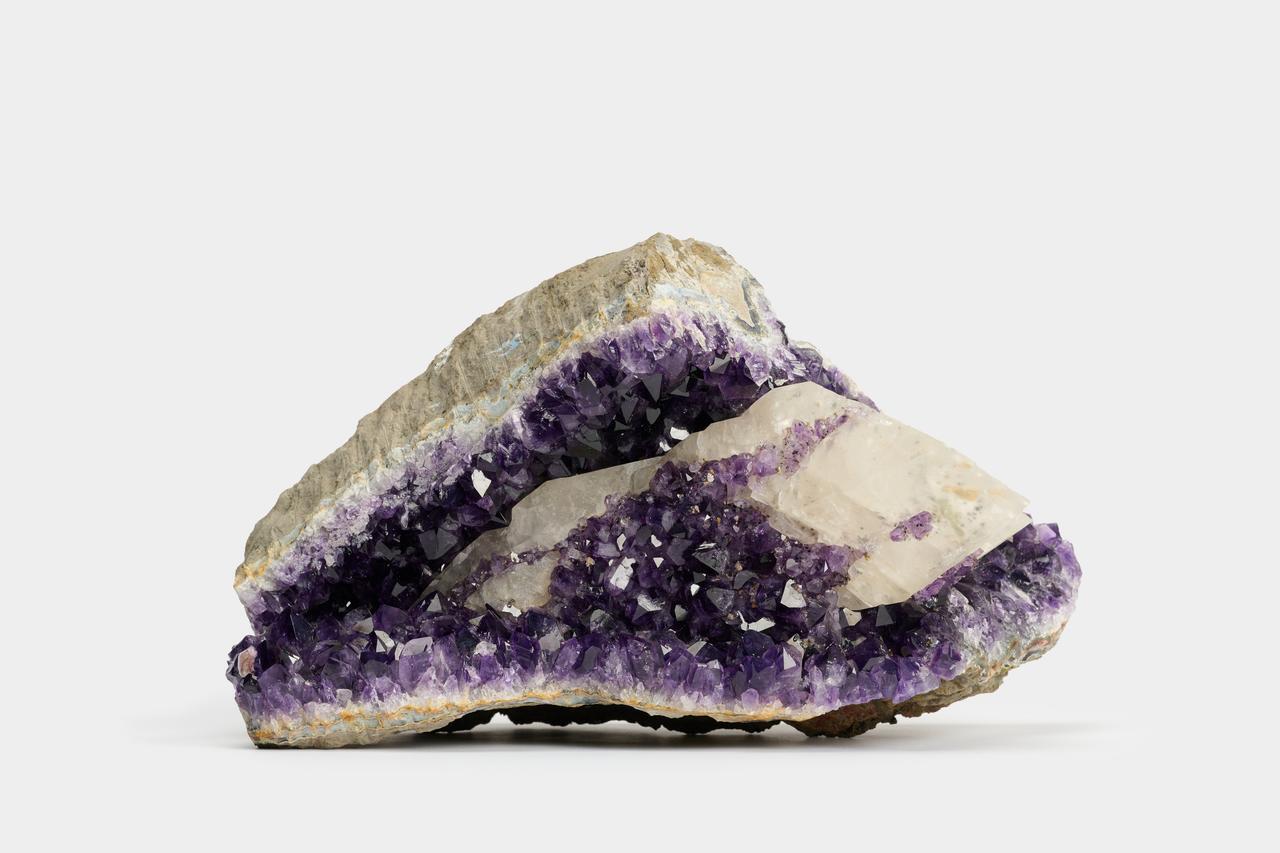
Desert Rose Freeform - Height: 23 cm - Width: 24 cm- 4 kg - (1)


04
days
05
hours
57
minutes
22
seconds

No bids placed
Catawiki Buyer Protection
Your payment’s safe with us until you receive your object.View details
Trustpilot 4.4 | 140562 reviews
Rated Excellent on Trustpilot.
Natural Rose des Sables specimen from Tunisia, a large, unshaped mineral aggregate weighing about 4 kg with dimensions roughly 23 × 19 × 24 cm.
AI-assisted summary
Description from the seller
IMPOSING NATURAL SAND ROSE OF TUNISIA
RAW FORM – 4 KG – 23 × 19 × 24 CM
Spectacular natural sand rose from Tunisia, presented in its raw, unshaped state.
Weight: about 4 kg
Dimensions: about 23 × 19 × 24 cm
Origin: Tunisia
Type: natural mineral formation – sand rose
Condition: raw, unsculpted
This piece immediately stands out for its substantial dimensions, its 4-kilogram weight, and above all for the exceptional richness of its natural architecture.
It is not a form sculpted by humans.
The structure visible in the photographs results from a natural crystallization phenomenon: crystals develop into flattened blades and gradually organize into rosettes. Their stacking produces these characteristic formations evoking the petals of a flower.
On this specimen, the phenomenon is particularly spectacular.
The piece is not composed of a simple small isolated rosette: it forms a true three-dimensional mineral massif made up of a multitude of rosettes, blades, and petals interlocked with one another.
Some parts develop almost horizontally while others rise vertically, creating relief, depth, and a silhouette that changes with the angle from which the piece is viewed.
It is precisely this irregularity that gives it all its interest: nature has produced neither perfect symmetry nor mechanical repetition.
Each face reveals a new composition.
━━━━━━━━━━━━━━━━━━━━
A “FLOWER” CREATED BY THE DESERT
━━━━━━━━━━━━━━━━━━━━
The sand rose is one of the most recognizable mineral formations in desert regions.
It is typically composed of gypsum crystals grown in sandy terrains under the influence of mineral-rich groundwater and evaporation phenomena.
During their growth, the crystals incorporate a portion of the surrounding sand.
It is this process that gives sand roses their characteristic color, ranging here from beige, ochre to sandy brown, as well as this fascinating mineral-flower appearance.
In other words, the “petals” observed are not carved: they are the natural shapes taken by the crystals during growth.
Thus the sand rose is a kind of material testimony to the geological and climatic conditions peculiar to arid environments.
━━━━━━━━━━━━━━━━━━━━
A PIECE STRONGLY ASSOCIATED WITH TUNISIAN LANDSCAPES
━━━━━━━━━━━━━━━━━━━━
Tunisia has historically been one of the emblematic territories for this type of formation.
The arid southern regions of the country and their large salt flats – broad saline depressions – provide the geological conditions allowing spectacular gypsum crystallizations.
Sand roses have thus become over time objects closely associated with the Sahara’s imagery and the mineral landscapes of North Africa.
They fascinate travelers as much as mineral lovers because they seem to unite two opposing worlds:
the delicacy of a flower and the permanence of stone.
━━━━━━━━━━━━━━━━━━━━
4 KG OF NATURAL SCULPTURE
━━━━━━━━━━━━━━━━━━━━
With about 4 kilograms and nearly 24 centimeters in its largest dimension, this piece has a notably strong decorative presence.
It can be viewed as a true miniature landscape.
The different rosettes overlap, intertwine, and rise above one another.
Raking light particularly reveals the different levels of crystallization and naturally creates shadowed areas between the petals.
The relatively homogeneous sand hue further reinforces the impression of a sculpture directly extracted from a desert landscape.
No natural piece can reproduce this exact architecture; by definition, each sand rose is a unique specimen.
━━━━━━━━━━━━━━━━━━━━
SYMBOLISM AND LITHOTHERAPY
━━━━━━━━━━━━━━━━━━━━
Beyond its mineralogical interest, the sand rose also carries a strong symbolic dimension.
A flower seeming to rise from an environment as arid as the desert naturally evokes:
– resilience,
– patience,
– transformation,
– stability,
– the ability to create beauty in a challenging environment,
– the passage of time.
In contemporary lithotherapy practices, the sand rose is associated with calmness, re-centering, emotional stability, and inner clarity.
These properties belong to the realm of beliefs and traditions of lithotherapy and are not scientifically proven medical effects.
But independently of belief, its symbolism remains particularly strong: the mineral reminds us that extremely slow and invisible processes can produce structures of remarkable complexity.
━━━━━━━━━━━━━━━━━━━━
WHY DISPLAY IT INDOORS?
━━━━━━━━━━━━━━━━━━━━
A sand rose of this size is as much a collector’s item as a genuine element of natural decoration.
Placed on a console, in a library, a curiosity cabinet, a desk, a living room, or at the center of a mineral collection, it immediately draws the eye.
Its natural beige and ochre tones also allow easy integration into different decorative universes: contemporary, mineral, ethnographic, natural, bohemian, or curiosity cabinets.
It can become a true centerpiece within a collection.
Its weight and dimensions give it a presence that the smaller sand roses typically encountered do not possess.
━━━━━━━━━━━━━━━━━━━━
CHARACTERISTICS
━━━━━━━━━━━━━━━━━━━━
Item: Sand rose
Origin: Tunisia
Formation: natural
Presentation: raw, unsculpted
Weight: about 4 kg
Dimensions: about 23 × 19 × 24 cm
Color: beige / sand / natural ochre
Morphology: large three-dimensional aggregate composed of many rosettes and embedded crystalline blades.
Unique natural piece: shape irregularities, tint variations, sand inclusions, and differences among blades are an integral part of its natural formation.
━━━━━━━━━━━━━━━━━━━━
PRECAUTIONS
━━━━━━━━━━━━━━━━━━━━
The sand rose is a relatively fragile formation.
Despite its substantial weight, the blade tips and some petals should be handled with care.
It is advisable to grasp it by its base and by the more massive areas rather than by the protruding crystallizations.
Also avoid cleaning with a strong jet of water: a delicate dry dusting is preferable.
A remarkable sculpture created solely by geology, sand, water, and time.
A imposing 4 kg piece that is at once a mineral specimen, a natural decorative object, and a particularly evocative fragment of Tunisian desert landscapes.
IMPOSING NATURAL SAND ROSE OF TUNISIA
RAW FORM – 4 KG – 23 × 19 × 24 CM
Spectacular natural sand rose from Tunisia, presented in its raw, unshaped state.
Weight: about 4 kg
Dimensions: about 23 × 19 × 24 cm
Origin: Tunisia
Type: natural mineral formation – sand rose
Condition: raw, unsculpted
This piece immediately stands out for its substantial dimensions, its 4-kilogram weight, and above all for the exceptional richness of its natural architecture.
It is not a form sculpted by humans.
The structure visible in the photographs results from a natural crystallization phenomenon: crystals develop into flattened blades and gradually organize into rosettes. Their stacking produces these characteristic formations evoking the petals of a flower.
On this specimen, the phenomenon is particularly spectacular.
The piece is not composed of a simple small isolated rosette: it forms a true three-dimensional mineral massif made up of a multitude of rosettes, blades, and petals interlocked with one another.
Some parts develop almost horizontally while others rise vertically, creating relief, depth, and a silhouette that changes with the angle from which the piece is viewed.
It is precisely this irregularity that gives it all its interest: nature has produced neither perfect symmetry nor mechanical repetition.
Each face reveals a new composition.
━━━━━━━━━━━━━━━━━━━━
A “FLOWER” CREATED BY THE DESERT
━━━━━━━━━━━━━━━━━━━━
The sand rose is one of the most recognizable mineral formations in desert regions.
It is typically composed of gypsum crystals grown in sandy terrains under the influence of mineral-rich groundwater and evaporation phenomena.
During their growth, the crystals incorporate a portion of the surrounding sand.
It is this process that gives sand roses their characteristic color, ranging here from beige, ochre to sandy brown, as well as this fascinating mineral-flower appearance.
In other words, the “petals” observed are not carved: they are the natural shapes taken by the crystals during growth.
Thus the sand rose is a kind of material testimony to the geological and climatic conditions peculiar to arid environments.
━━━━━━━━━━━━━━━━━━━━
A PIECE STRONGLY ASSOCIATED WITH TUNISIAN LANDSCAPES
━━━━━━━━━━━━━━━━━━━━
Tunisia has historically been one of the emblematic territories for this type of formation.
The arid southern regions of the country and their large salt flats – broad saline depressions – provide the geological conditions allowing spectacular gypsum crystallizations.
Sand roses have thus become over time objects closely associated with the Sahara’s imagery and the mineral landscapes of North Africa.
They fascinate travelers as much as mineral lovers because they seem to unite two opposing worlds:
the delicacy of a flower and the permanence of stone.
━━━━━━━━━━━━━━━━━━━━
4 KG OF NATURAL SCULPTURE
━━━━━━━━━━━━━━━━━━━━
With about 4 kilograms and nearly 24 centimeters in its largest dimension, this piece has a notably strong decorative presence.
It can be viewed as a true miniature landscape.
The different rosettes overlap, intertwine, and rise above one another.
Raking light particularly reveals the different levels of crystallization and naturally creates shadowed areas between the petals.
The relatively homogeneous sand hue further reinforces the impression of a sculpture directly extracted from a desert landscape.
No natural piece can reproduce this exact architecture; by definition, each sand rose is a unique specimen.
━━━━━━━━━━━━━━━━━━━━
SYMBOLISM AND LITHOTHERAPY
━━━━━━━━━━━━━━━━━━━━
Beyond its mineralogical interest, the sand rose also carries a strong symbolic dimension.
A flower seeming to rise from an environment as arid as the desert naturally evokes:
– resilience,
– patience,
– transformation,
– stability,
– the ability to create beauty in a challenging environment,
– the passage of time.
In contemporary lithotherapy practices, the sand rose is associated with calmness, re-centering, emotional stability, and inner clarity.
These properties belong to the realm of beliefs and traditions of lithotherapy and are not scientifically proven medical effects.
But independently of belief, its symbolism remains particularly strong: the mineral reminds us that extremely slow and invisible processes can produce structures of remarkable complexity.
━━━━━━━━━━━━━━━━━━━━
WHY DISPLAY IT INDOORS?
━━━━━━━━━━━━━━━━━━━━
A sand rose of this size is as much a collector’s item as a genuine element of natural decoration.
Placed on a console, in a library, a curiosity cabinet, a desk, a living room, or at the center of a mineral collection, it immediately draws the eye.
Its natural beige and ochre tones also allow easy integration into different decorative universes: contemporary, mineral, ethnographic, natural, bohemian, or curiosity cabinets.
It can become a true centerpiece within a collection.
Its weight and dimensions give it a presence that the smaller sand roses typically encountered do not possess.
━━━━━━━━━━━━━━━━━━━━
CHARACTERISTICS
━━━━━━━━━━━━━━━━━━━━
Item: Sand rose
Origin: Tunisia
Formation: natural
Presentation: raw, unsculpted
Weight: about 4 kg
Dimensions: about 23 × 19 × 24 cm
Color: beige / sand / natural ochre
Morphology: large three-dimensional aggregate composed of many rosettes and embedded crystalline blades.
Unique natural piece: shape irregularities, tint variations, sand inclusions, and differences among blades are an integral part of its natural formation.
━━━━━━━━━━━━━━━━━━━━
PRECAUTIONS
━━━━━━━━━━━━━━━━━━━━
The sand rose is a relatively fragile formation.
Despite its substantial weight, the blade tips and some petals should be handled with care.
It is advisable to grasp it by its base and by the more massive areas rather than by the protruding crystallizations.
Also avoid cleaning with a strong jet of water: a delicate dry dusting is preferable.
A remarkable sculpture created solely by geology, sand, water, and time.
A imposing 4 kg piece that is at once a mineral specimen, a natural decorative object, and a particularly evocative fragment of Tunisian desert landscapes.
Details
Number of objects
1
Main mineral
Desert Rose
Mineral form
Freeform
Weight
4 kg
Origin (region/city)
Tunisia
Country of origin
Tunisia
Height
23 cm
Width
24 cm
Depth
19 cm
Sold by