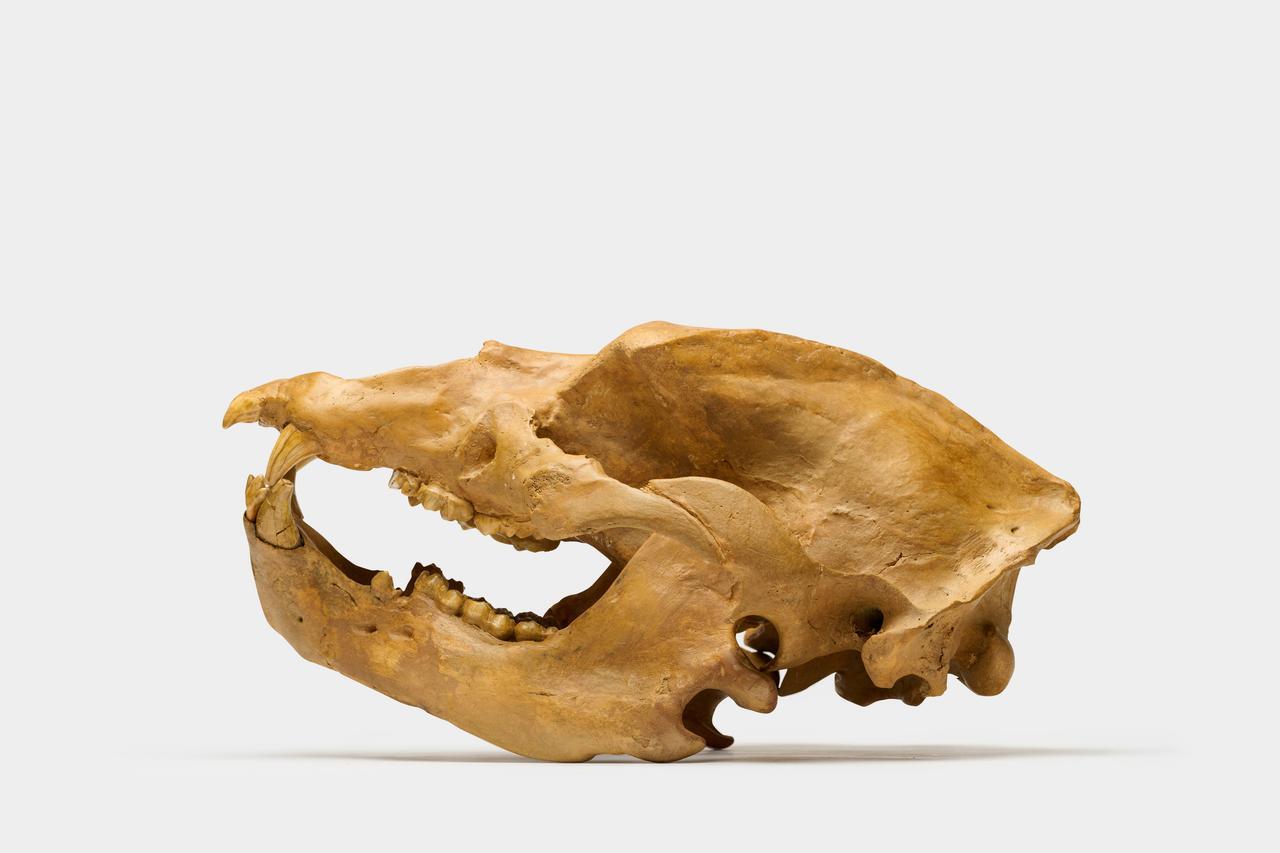
Fossil matrix - Ichthyosauria - 29 cm


04
days
19
hours
40
minutes
28
seconds

No bids placed
Catawiki Buyer Protection
Your payment’s safe with us until you receive your object.View details
Trustpilot 4.4 | 140908 reviews
Rated Excellent on Trustpilot.
Ichthyosauria skull fossil from the Middle Triassic (Late Triassic), from China, in natural condition, authentic original specimen, height 29 cm including the matrix.
AI-assisted summary
Description from the seller
Exceptional paleontological collectible piece that shows a skull of a prehistoric marine reptile. The specimen is classified within the order Ichthyosauria, with a high likelihood of belonging to the family Barracudasauroides Panxianensis, an iconic marine predator of the Mesozoic era.
Period: Middle Triassic (Mesozoic), approximately 242 to 247 million years old.
Provenance: former private collection acquired in Hong Kong. Dimensions: 23 cm in total length (29 cm with the matrix included).
Detailed anatomical features of the skull: This piece stands out for preserving key cranial bone structures with extraordinary relief and definition:
. Orbit and ring: The large ocular orbital cavity on the left side is clearly visible, preserving the three-dimensional depth of the structure that housed the scleral ring.
. Nasal cavity (Naris): Just in front of the orbit, the elongated opening corresponding to the reptile’s external nasal cavity is perfectly visible.
. Mandibular structure and sutures: The elongated snout (rostrum) shows the joining lines and natural sutures between the upper and lower maxillary bones, revealing the original hydrodynamic profile of the animal.
. Texture of the fossilized bone: In the posterior and upper regions of the skull, the genuine porosity and rough texture of the original bone material replaced by minerals are evident, distinguishing it from artificial reproductions.
. Calcium insertion and matrix: As an exceptional geological and aesthetic feature, the piece is cross-cut transversely by a white natural vein of calcium (calcite) that cleanly cuts both the rock of the matrix and the fossil’s snout itself. This mineral line acts as an indisputable "seal of authenticity," demonstrating that the fossil and the rock shared the same fracture and tectonic mineralization process over millions of years.
Exceptional paleontological collectible piece that shows a skull of a prehistoric marine reptile. The specimen is classified within the order Ichthyosauria, with a high likelihood of belonging to the family Barracudasauroides Panxianensis, an iconic marine predator of the Mesozoic era.
Period: Middle Triassic (Mesozoic), approximately 242 to 247 million years old.
Provenance: former private collection acquired in Hong Kong. Dimensions: 23 cm in total length (29 cm with the matrix included).
Detailed anatomical features of the skull: This piece stands out for preserving key cranial bone structures with extraordinary relief and definition:
. Orbit and ring: The large ocular orbital cavity on the left side is clearly visible, preserving the three-dimensional depth of the structure that housed the scleral ring.
. Nasal cavity (Naris): Just in front of the orbit, the elongated opening corresponding to the reptile’s external nasal cavity is perfectly visible.
. Mandibular structure and sutures: The elongated snout (rostrum) shows the joining lines and natural sutures between the upper and lower maxillary bones, revealing the original hydrodynamic profile of the animal.
. Texture of the fossilized bone: In the posterior and upper regions of the skull, the genuine porosity and rough texture of the original bone material replaced by minerals are evident, distinguishing it from artificial reproductions.
. Calcium insertion and matrix: As an exceptional geological and aesthetic feature, the piece is cross-cut transversely by a white natural vein of calcium (calcite) that cleanly cuts both the rock of the matrix and the fossil’s snout itself. This mineral line acts as an indisputable "seal of authenticity," demonstrating that the fossil and the rock shared the same fracture and tectonic mineralization process over millions of years.
Details
Scientific name
Ichthyosauria
Country of origin
China
Geological period
Triassic, Middle (247.2 - 237 million years)
Condition
Natural
Height
29 cm
Authenticity
Original/official
Sold by