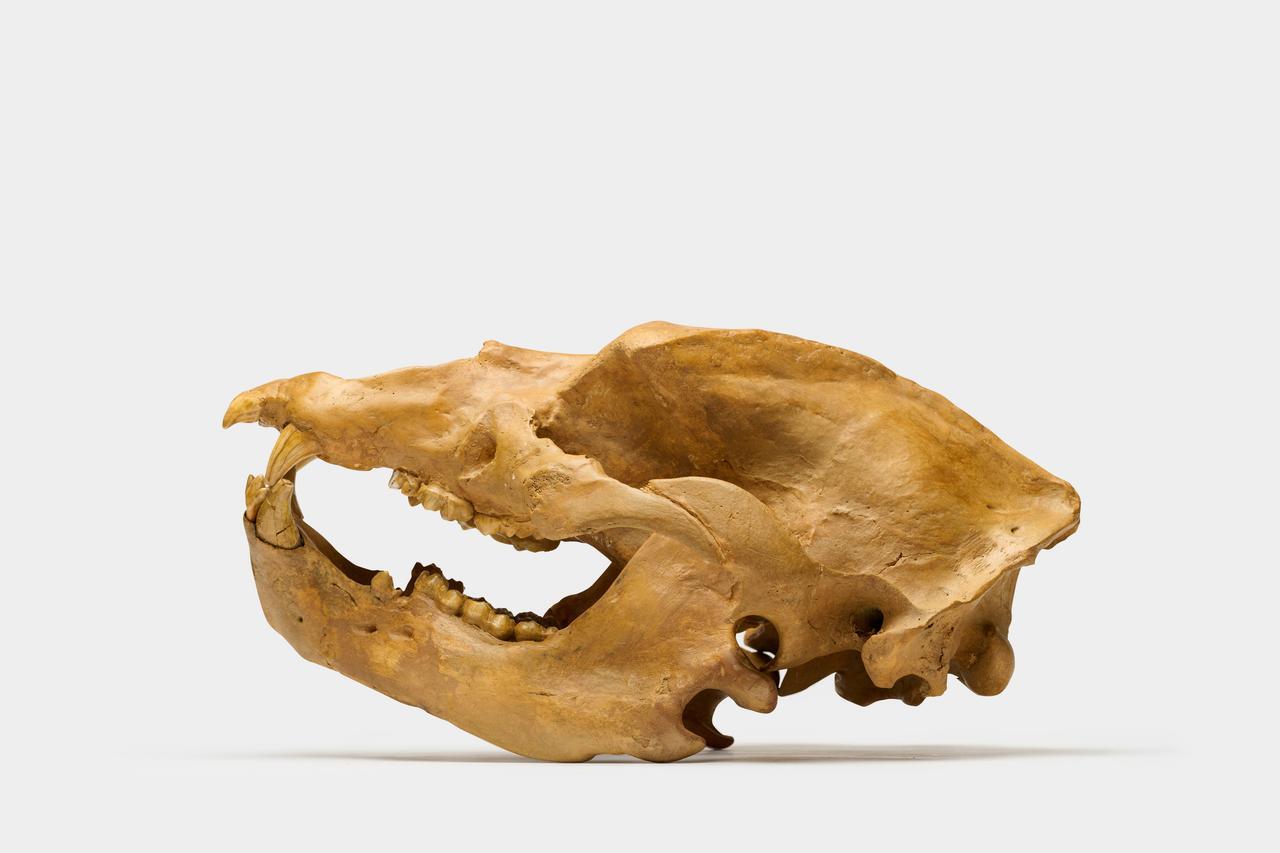
Plesiosaur - Fossil skeleton - 540 cm - 180 cm


03
days
03
hours
13
minutes
01
second
Current bid
€ 3,000
Reserve price not met

 | €3,000 | |
|---|---|---|
| €2,700 | |
| €2,500 |
Catawiki Buyer Protection
Your payment’s safe with us until you receive your object.View details
Trustpilot 4.4 | 142645 reviews
Rated Excellent on Trustpilot.
Elasmosaurus platyurus, Plésiosaure specimen from Morocco, Crétacé period, Conservé treatment, Naturel condition.
AI-assisted summary
Description from the seller
Authentic plesiosaur skeleton (540 cm)
Complete plesiosaur skeleton, measuring about 5.4 meters in length, a true paleontological treasure. This specimen, dating from the Mesozoic era, is a rare and precious piece.
Elasmosaurus platyurus is one of the most iconic species of plesiosaurs, known for its extremely long neck. Here are its main characteristics:
1. Morphology
• Exceptionally long neck: Composed of 71 cervical vertebrae, a record among marine vertebrates. Its neck could reach up to 7 meters, representing more than half of its total length.
• Total length: capable of about 14 meters, with an estimated weight of 2 tons.
• Slender body: A hydrodynamic body with paddle-shaped fins suited for swimming.
• Small and light skull: Despite its long neck, the skull was relatively small, with jaws lined with sharp teeth.
2. Lifestyle
• Diet: Mainly carnivorous, feeding on fish, cephalopods, and other marine animals. Its long neck allowed it to approach prey discreetly.
• Locomotion: Its fins functioned like oars or wings, allowing it to move gracefully and swiftly through the water.
3. Habitat
• It lived in shallow seas of the late Cretaceous, about 80 million years ago. Fossils have been discovered in North America, notably in Kansas.
4. Unique features
• Contrary to a once widespread belief, Elasmosaurus is unlikely to have used its long neck as a whip or to reach out of the water. It would have kept it relatively rigid to maintain its hydrodynamics.
• One of the first discovered Elasmosaurus fossils was misreconstructed, with the head placed at the end of the tail instead of the neck, a mistake corrected later.
5. Fossils
The type specimen of Elasmosaurus platyurus was discovered in 1868 by paleontologist Edward Drinker Cope, who was also involved in the famous “Bone Wars” with Othniel Charles Marsh.
Main features of this specimen:
• Size: 5.40 meters.
• Condition: Excellent, perfectly preserved and mounted.
This skeleton represents a unique opportunity for paleontology enthusiasts or investors seeking to acquire an exceptional piece.
Treat yourself to a piece of history and dive into the fascinating depths of the Jurassic!
Authentic plesiosaur skeleton (540 cm)
Complete plesiosaur skeleton, measuring about 5.4 meters in length, a true paleontological treasure. This specimen, dating from the Mesozoic era, is a rare and precious piece.
Elasmosaurus platyurus is one of the most iconic species of plesiosaurs, known for its extremely long neck. Here are its main characteristics:
1. Morphology
• Exceptionally long neck: Composed of 71 cervical vertebrae, a record among marine vertebrates. Its neck could reach up to 7 meters, representing more than half of its total length.
• Total length: capable of about 14 meters, with an estimated weight of 2 tons.
• Slender body: A hydrodynamic body with paddle-shaped fins suited for swimming.
• Small and light skull: Despite its long neck, the skull was relatively small, with jaws lined with sharp teeth.
2. Lifestyle
• Diet: Mainly carnivorous, feeding on fish, cephalopods, and other marine animals. Its long neck allowed it to approach prey discreetly.
• Locomotion: Its fins functioned like oars or wings, allowing it to move gracefully and swiftly through the water.
3. Habitat
• It lived in shallow seas of the late Cretaceous, about 80 million years ago. Fossils have been discovered in North America, notably in Kansas.
4. Unique features
• Contrary to a once widespread belief, Elasmosaurus is unlikely to have used its long neck as a whip or to reach out of the water. It would have kept it relatively rigid to maintain its hydrodynamics.
• One of the first discovered Elasmosaurus fossils was misreconstructed, with the head placed at the end of the tail instead of the neck, a mistake corrected later.
5. Fossils
The type specimen of Elasmosaurus platyurus was discovered in 1868 by paleontologist Edward Drinker Cope, who was also involved in the famous “Bone Wars” with Othniel Charles Marsh.
Main features of this specimen:
• Size: 5.40 meters.
• Condition: Excellent, perfectly preserved and mounted.
This skeleton represents a unique opportunity for paleontology enthusiasts or investors seeking to acquire an exceptional piece.
Treat yourself to a piece of history and dive into the fascinating depths of the Jurassic!
Details
Number of objects
1
Specimen
Plesiosaur
Country of origin
Morocco
Geological period
Cretaceous (145 - 66 million years)
Condition
Natural
Treatment
Conserved
Weight
120 kg
Height
540 cm
Width
180 cm
Depth
200 cm
Authenticity
Original/official
Disclaimer
The seller was informed by Catawiki about documentation requirements and guarantees the following: - the object was legally obtained, - the seller has the right to sell and/or export the object, as relevant, - the seller will provide the necessary provenance information and arrange required documentation and permits/licenses, as applicable and as per local laws, - the seller will notify the buyer of any delays in obtaining permits/licenses. By bidding, you acknowledge that import documentation may be required depending on your country of residence and that obtaining permits/licenses may cause delays in the delivery of your object.
The seller was informed by Catawiki about documentation requirements and guarantees the following: - the object was legally obtained, - the seller has the right to sell and/or export the object, as relevant, - the seller will provide the necessary provenance information and arrange required documentation and permits/licenses, as applicable and as per local laws, - the seller will notify the buyer of any delays in obtaining permits/licenses. By bidding, you acknowledge that import documentation may be required depending on your country of residence and that obtaining permits/licenses may cause delays in the delivery of your object.