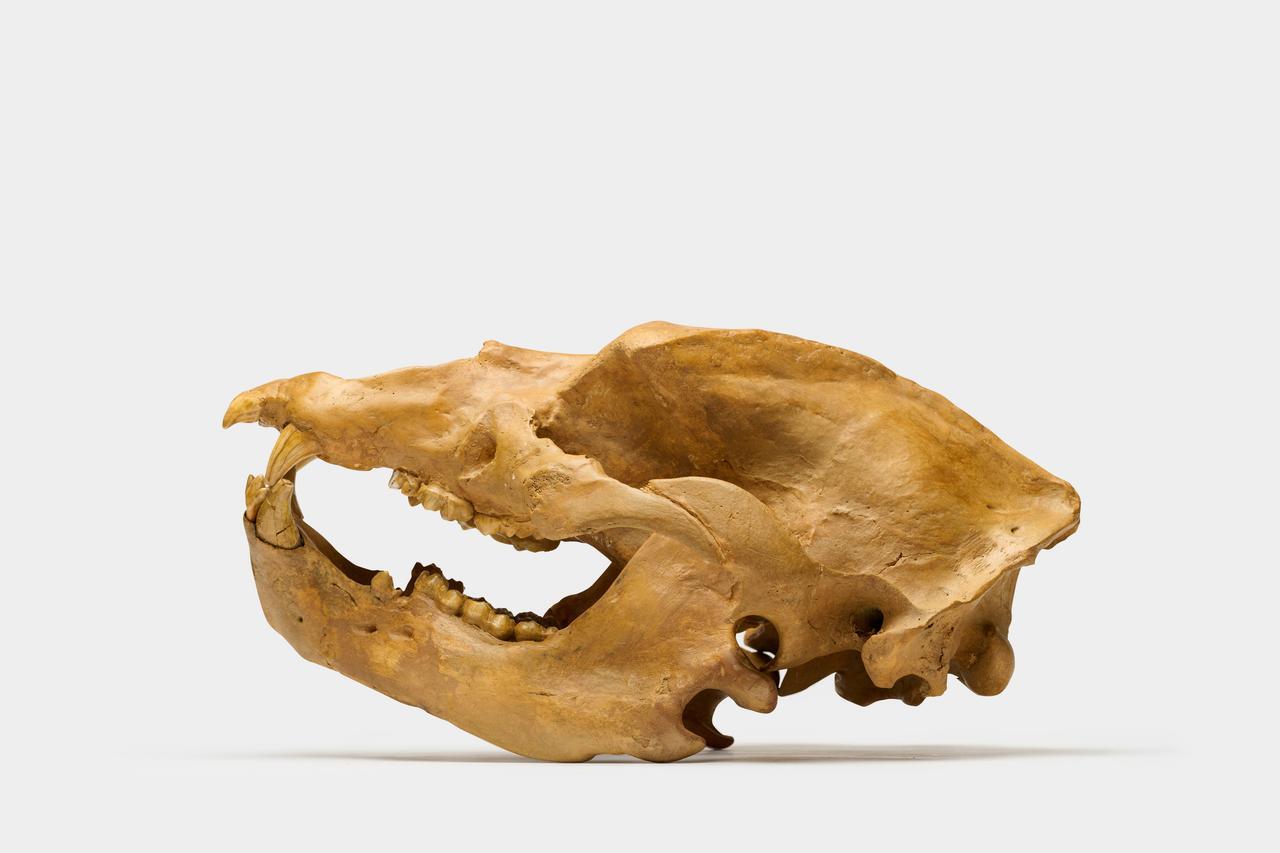
Baby Wolly Mammoth - Fossil tooth - Molar


05
days
18
hours
22
minutes
32
seconds

No bids placed
Catawiki Buyer Protection
Your payment’s safe with us until you receive your object.View details
Trustpilot 4.4 | 141948 reviews
Rated Excellent on Trustpilot.
Description from the seller
A well preserved baby woolly mammoth tooth. It has been treated and stabilised.
Comes with with stand. The enamel along the ridges “chewing surface” is 9cm in length.
The Woolly Mammoth (Mammuthus primegenius) is an iconic Pleistocene animal. It had long, wooly hair, tusks that extended up to 9 feet, and stood about 12 feet tall. They ranged across the northern hemisphere and were one of the most abundant Pleistocene creatures, ranging from eastern Eurasia throughout most of North America. Their existence overlapped with that of humans: early cave paintings have been discovered depicting these massive mammals, and humans likely hunted them to extinction in some areas.
They are also some of the most studied prehistoric animals in part because many carcasses have been preserved in the Siberian permafrosts, keeping skin, muscle tissues, and even their distinctive woolly hair intact. Recent genomic sequencing of chromosomal DNA in some of these preserved specimens has revealed that Woolly Mammoths are most closely related to African elephants: their chromosomal DNA is up to 99.5 percent identical.
Please keep in mind the object is old, and therefore have marks and flaws on them, that might no be visiable in the photos
A well preserved baby woolly mammoth tooth. It has been treated and stabilised.
Comes with with stand. The enamel along the ridges “chewing surface” is 9cm in length.
The Woolly Mammoth (Mammuthus primegenius) is an iconic Pleistocene animal. It had long, wooly hair, tusks that extended up to 9 feet, and stood about 12 feet tall. They ranged across the northern hemisphere and were one of the most abundant Pleistocene creatures, ranging from eastern Eurasia throughout most of North America. Their existence overlapped with that of humans: early cave paintings have been discovered depicting these massive mammals, and humans likely hunted them to extinction in some areas.
They are also some of the most studied prehistoric animals in part because many carcasses have been preserved in the Siberian permafrosts, keeping skin, muscle tissues, and even their distinctive woolly hair intact. Recent genomic sequencing of chromosomal DNA in some of these preserved specimens has revealed that Woolly Mammoths are most closely related to African elephants: their chromosomal DNA is up to 99.5 percent identical.
Please keep in mind the object is old, and therefore have marks and flaws on them, that might no be visiable in the photos
Details
Number of objects
1
Specimen
Baby Wolly Mammoth
Scientific name
Molar
Country of origin
Serbia
Geological period
Quaternary, Pleistocene (2.58 - 0.0117 million years)
Condition
Restored
Authenticity
Original/official