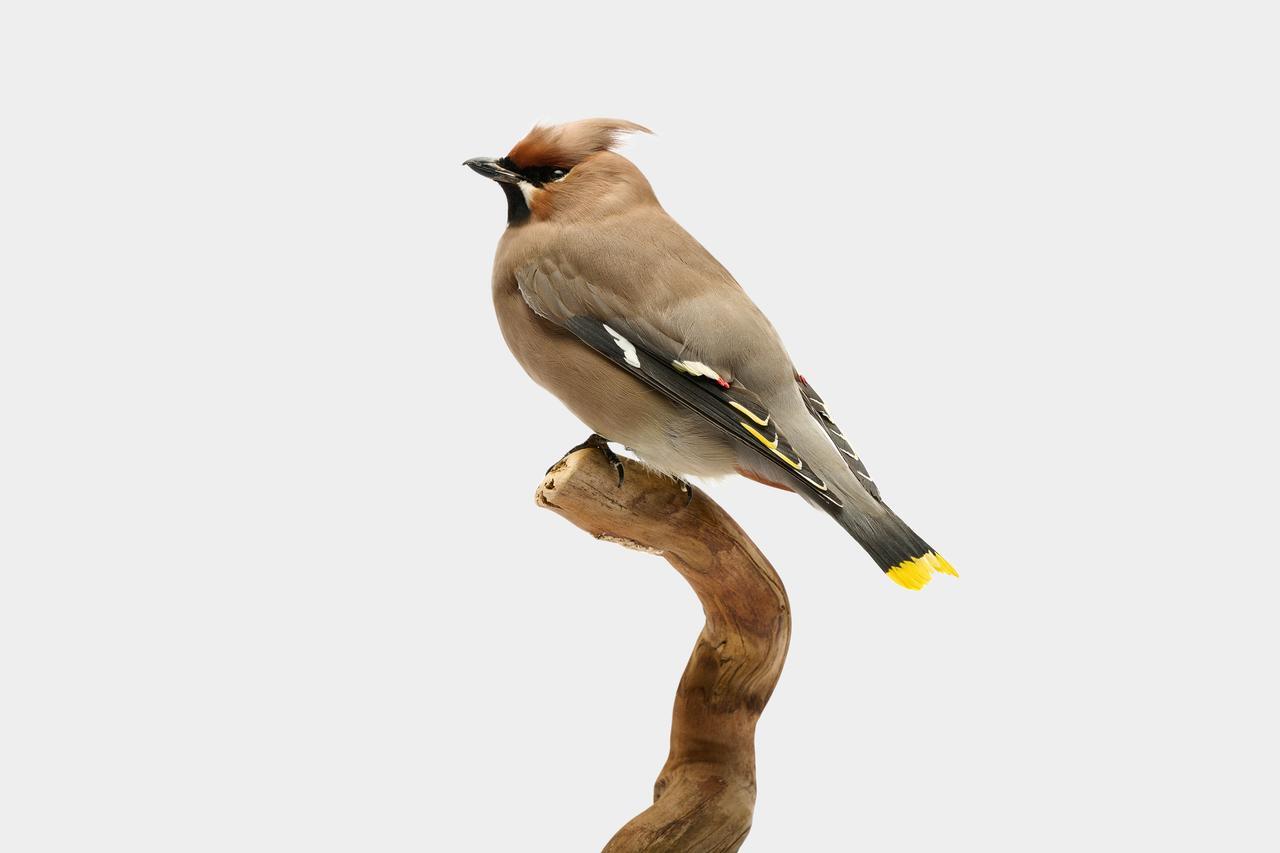
Hexaplex stainforthi 45mm GEM with operculum | Stainforth's spiny snail (Murex) §§ NO RESERVE §§ Skeleton - Hexaplex stainforthi mit Operculum - 0 mm - 0 mm - 45 mm- Non-CITES species - (1)


02
days
05
hours
32
minutes
14
seconds

 | €3 | |
|---|---|---|
 | €2 |
Catawiki Buyer Protection
Your payment’s safe with us until you receive your object.View details
Trustpilot 4.4 | 142645 reviews
Rated Excellent on Trustpilot.
Specimen Hexaplex stainforthi 45 mm GEM with operculum; scientific name Hexaplex stainforthi; origin Bahamas; year 1982; condition good; authenticity original.
AI-assisted summary
Description from the seller
Scientific name: Hexaplex stainforthi (Reeve, 1843) – in English-speaking regions known as Stainforth's Murex, in German as Stainforth-Stachelschnecke.
Product details & quality
Size: 45.0 mm (perfect average size for this species, highly attractive cabinet piece).
Quality: GEM (Absolute top condition. The typical short and stout spines (varices) along the whorls are completely intact. Neither the aperture nor the siphonal canal show any flaking, bite marks, or growth defects).
Special feature: Includes original horn-like operculum! biologically complete and undamaged.
Origin & collection data
Region: Endemic to northwestern Australia (common collecting sites are around Port Hedland, Pardoo, or Broome, Western Australia), less commonly as far as the Moluccas (Indonesia).
Habitat: Intertidal zone (tidal area). The animals live in shallow waters on sandy, muddy bottoms or coral rubble. They are usually collected at low tide by local collectors or fishermen.
Biology & life cycle
The Stainforth’s murex belongs to the family Muricidae (murexes).
Shell features: The shell is characterized by a contrasting pattern. Typical are white to cream-colored shells, interrupted by deep brown to almost black, highly sculptured axial ribs and spines. The inner lip often shows a delicate tint (white to faint pink/orange).
Lifestyle: Like almost all muricids, Hexaplex stainforthi is a carnivorous predator. With the help of its acidic secretions and the radula, it bores into the shells of other mollusks (e.g., barnacles, bivalves, or smaller snails) to feed on them.
Shipping via insured DHL shipping
Sales and shipping only within the EU
SKU- diverse/without Hexaplex stainforthi m.O.
Seller's Story
We are specialists in the sale of mussels and snails from collection solutions. We get most of these from Germany.
We offer very special pieces for sale here that we do not offer on our website.
Translated by Google TranslateScientific name: Hexaplex stainforthi (Reeve, 1843) – in English-speaking regions known as Stainforth's Murex, in German as Stainforth-Stachelschnecke.
Product details & quality
Size: 45.0 mm (perfect average size for this species, highly attractive cabinet piece).
Quality: GEM (Absolute top condition. The typical short and stout spines (varices) along the whorls are completely intact. Neither the aperture nor the siphonal canal show any flaking, bite marks, or growth defects).
Special feature: Includes original horn-like operculum! biologically complete and undamaged.
Origin & collection data
Region: Endemic to northwestern Australia (common collecting sites are around Port Hedland, Pardoo, or Broome, Western Australia), less commonly as far as the Moluccas (Indonesia).
Habitat: Intertidal zone (tidal area). The animals live in shallow waters on sandy, muddy bottoms or coral rubble. They are usually collected at low tide by local collectors or fishermen.
Biology & life cycle
The Stainforth’s murex belongs to the family Muricidae (murexes).
Shell features: The shell is characterized by a contrasting pattern. Typical are white to cream-colored shells, interrupted by deep brown to almost black, highly sculptured axial ribs and spines. The inner lip often shows a delicate tint (white to faint pink/orange).
Lifestyle: Like almost all muricids, Hexaplex stainforthi is a carnivorous predator. With the help of its acidic secretions and the radula, it bores into the shells of other mollusks (e.g., barnacles, bivalves, or smaller snails) to feed on them.
Shipping via insured DHL shipping
Sales and shipping only within the EU
SKU- diverse/without Hexaplex stainforthi m.O.
Seller's Story
We are specialists in the sale of mussels and snails from collection solutions. We get most of these from Germany.
We offer very special pieces for sale here that we do not offer on our website.
Translated by Google TranslateDetails
Era
After 2000
Specimen
Hexaplex stainforthi 45mm GEM with operculum | Stainforth's spiny snail (Murex) §§ NO RESERVE §§
Scientific name
Hexaplex stainforthi mit Operculum
Number of objects
1
Country of origin
The Bahamas
CITES relevancy
Non-CITES species
Condition
Good condition
Year
1982
Weight
0 g
Depth
45 mm
Height
0 mm
Width
0 mm
Authenticity
Original/official
Sold by