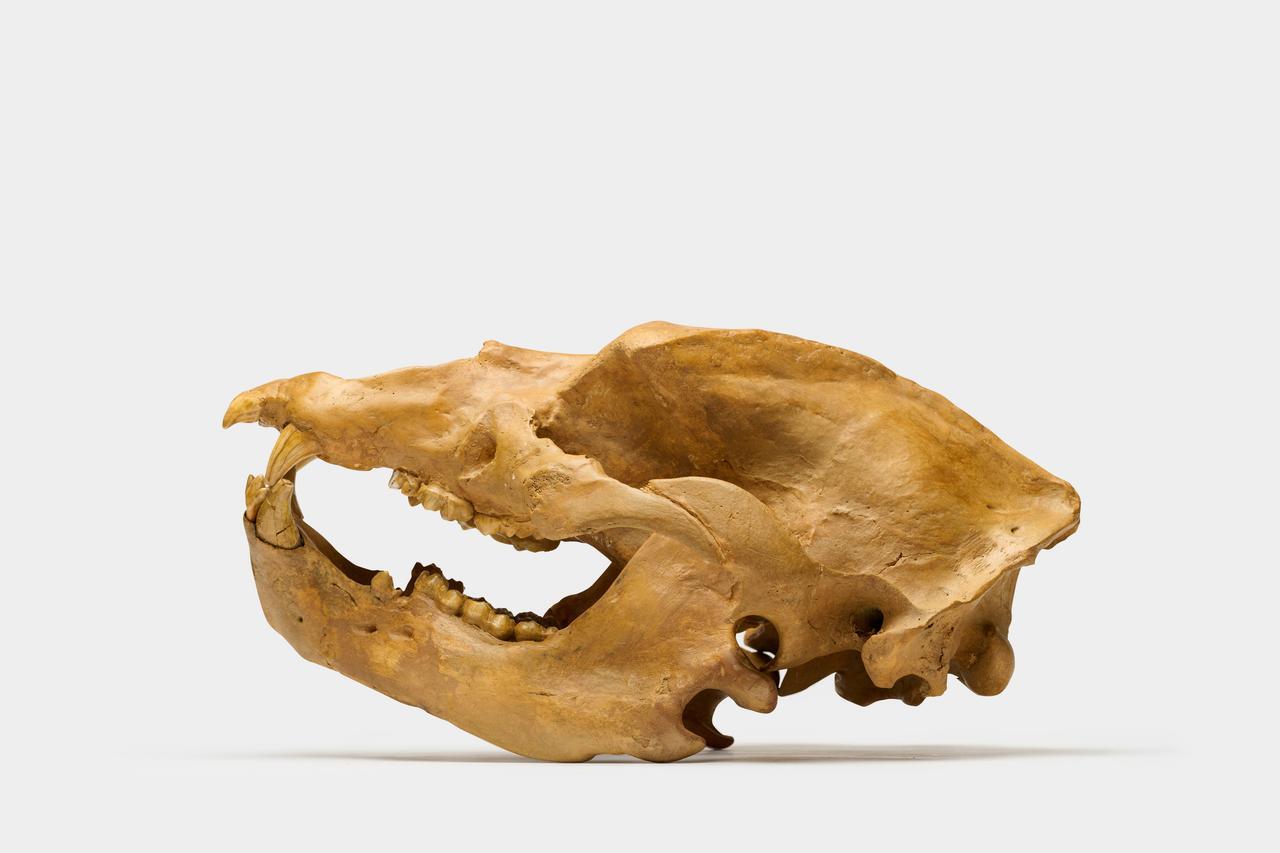
Miocene Fossil Pectinidae – Natural Shell Aggregate – France Fossil Scallop Shells on Matrix – French Miocene - Height: 250 mm - Width: 130 mm- 1228 g - (1)


01
day
15
hours
01
minute
23
seconds

 | €6 | |
|---|---|---|
| €5 | |
| €1 |
Catawiki Buyer Protection
Your payment’s safe with us until you receive your object.View details
Trustpilot 4.4 | 142645 reviews
Rated Excellent on Trustpilot.
Fossil scallop shell aggregate from the Miocene deposits in France, mounted on a marine matrix and presented as a display specimen.
AI-assisted summary
Description from the seller
A striking fossil aggregate composed of numerous shells belonging to the family Pectinidae, originating from France and preserved within a Miocene marine sedimentary matrix. The specimen shows several fossil valves, some almost complete, others partially overlapped or embedded in the matrix. Their irregular arrangement conveys the natural appearance of an ancient shell accumulation formed on the seafloor by the action of currents, wave motion, and progressive sedimentation. The shells display the typical fan-shaped morphology of the pectinids, with well-developed radial ribs that extend from the hinge area toward the outer edge. Thin concentric growth lines are also visible, documenting the animal's subsequent growth stages. The varying tones, from cream and beige to gray-blue shades, are linked to fossilization processes and the chemical conditions of the sediment in which the shells remained buried for millions of years. The specimen comes from the famous French faluns, fossiliferous marine deposits in the west of France rich in mollusks and other marine organisms. During the Miocene, roughly 16 to 7 million years ago, these areas were occupied by shallow seas connected to the Atlantic. The presence of multiple shells on the same matrix makes this specimen particularly interesting paleontologically, because it preserves a true fossil association rather than a single isolated organism. The specimen is mounted on a dark wooden base with a metal support, which allows vertical display and enhances the structure of the shells and the matrix. An specimen suitable for both a paleontological collection and as a decorative element for Wunderkammer, studies and contemporary environments. Family: Pectinidae Period: Miocene Indicative age: about 7–16 million years Origin: France Type: natural aggregation of fossil shells on matrix Support: wooden base with metal structure
Seller's Story
The Mineral Art Gallery offers minerals, fossils, shells and natural elements.
Born in Italy in 2017, today she collaborates with international galleries and collectors, she is a direct importer of large minerals and naturalistic collectible elements; deals with the processing to insert them inside the living space. A section of the gallery was dedicated to the Wunderkammer, "chamber of wonders or cabinet of curiosities" in which Mirabilia elements are presented: naturalia and italiania, a union between "the present is the past".
All lots are shipped via DHL Express and Fercam couriers, with insured parcel and tracking.
Translated by Google TranslateA striking fossil aggregate composed of numerous shells belonging to the family Pectinidae, originating from France and preserved within a Miocene marine sedimentary matrix. The specimen shows several fossil valves, some almost complete, others partially overlapped or embedded in the matrix. Their irregular arrangement conveys the natural appearance of an ancient shell accumulation formed on the seafloor by the action of currents, wave motion, and progressive sedimentation. The shells display the typical fan-shaped morphology of the pectinids, with well-developed radial ribs that extend from the hinge area toward the outer edge. Thin concentric growth lines are also visible, documenting the animal's subsequent growth stages. The varying tones, from cream and beige to gray-blue shades, are linked to fossilization processes and the chemical conditions of the sediment in which the shells remained buried for millions of years. The specimen comes from the famous French faluns, fossiliferous marine deposits in the west of France rich in mollusks and other marine organisms. During the Miocene, roughly 16 to 7 million years ago, these areas were occupied by shallow seas connected to the Atlantic. The presence of multiple shells on the same matrix makes this specimen particularly interesting paleontologically, because it preserves a true fossil association rather than a single isolated organism. The specimen is mounted on a dark wooden base with a metal support, which allows vertical display and enhances the structure of the shells and the matrix. An specimen suitable for both a paleontological collection and as a decorative element for Wunderkammer, studies and contemporary environments. Family: Pectinidae Period: Miocene Indicative age: about 7–16 million years Origin: France Type: natural aggregation of fossil shells on matrix Support: wooden base with metal structure
Seller's Story
The Mineral Art Gallery offers minerals, fossils, shells and natural elements.
Born in Italy in 2017, today she collaborates with international galleries and collectors, she is a direct importer of large minerals and naturalistic collectible elements; deals with the processing to insert them inside the living space. A section of the gallery was dedicated to the Wunderkammer, "chamber of wonders or cabinet of curiosities" in which Mirabilia elements are presented: naturalia and italiania, a union between "the present is the past".
All lots are shipped via DHL Express and Fercam couriers, with insured parcel and tracking.
Translated by Google TranslateDetails
Number of objects
1
Main mineral
Miocene Fossil Pectinidae – Natural Shell Aggregate – France
Mineral form
Fossil Scallop Shells on Matrix – French Miocene
Supplement
Display Specimen
Weight
1228 g
Country of origin
France
Height
250 mm
Width
130 mm
Depth
90 mm
Sold by