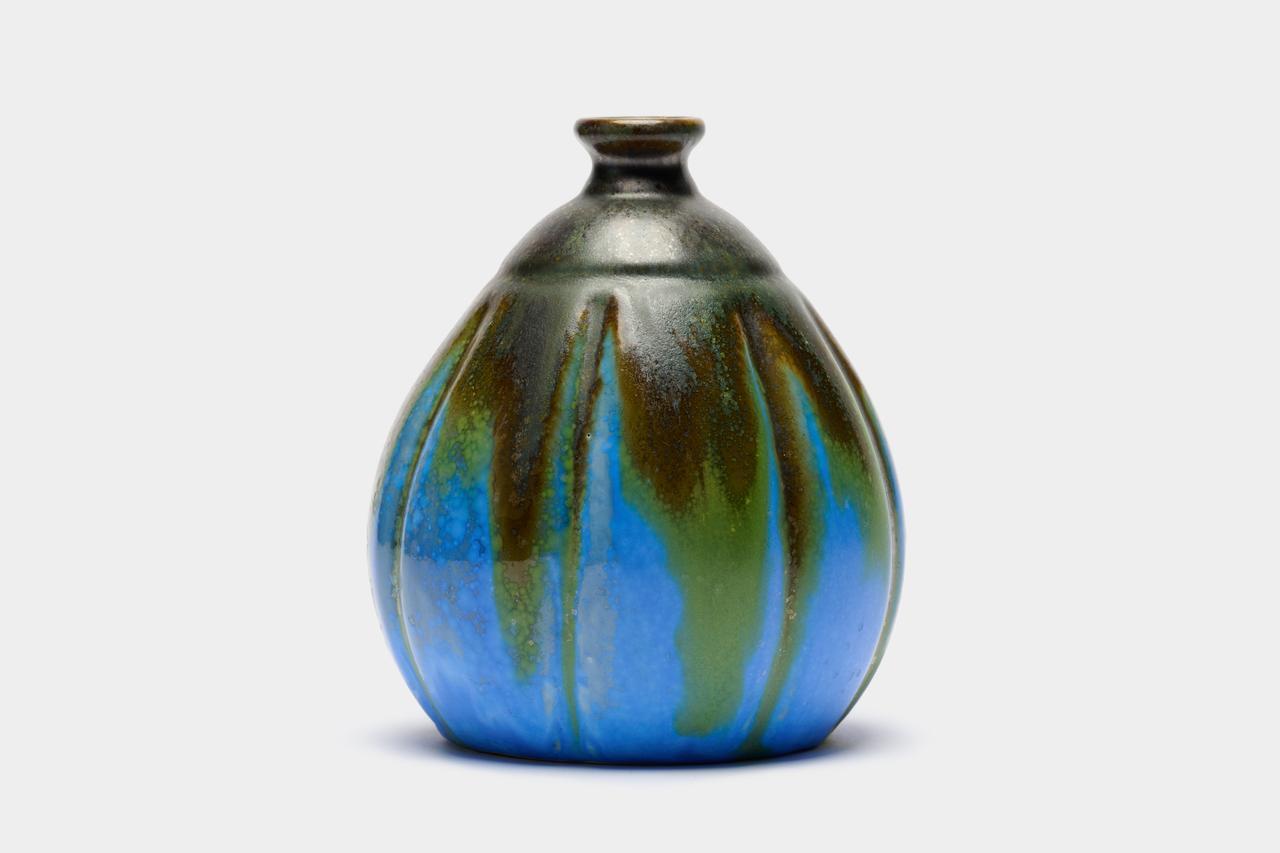
Egermann - Decanter - Glass - Karaf Ruby Red No. 17


Starting bid
€ 1
Add to your favourites to get an alert when the auction starts.

Catawiki Buyer Protection
Your payment’s safe with us until you receive your object.View details
Trustpilot 4.4 | 143139 reviews
Rated Excellent on Trustpilot.
Description from the seller
This object is an antique ruby-red glass decanter (or liqueur bottle) with a matching stopper, probably from the 19th century (Victorian period or Bohemian glassware).
Characteristics:
Material and color: Hand-blown deep ruby red or 'cranberry' colored glass.
Decoration: The lower part features etched or engraved motifs, such as wine leaves and grape clusters.
Stopper: Includes a matching handmade glass stopper.
Origin: Often made in Bohemia (Czech Republic) or England in the 19th century as a liqueur or strong-drink decanter.
That this decanter and stopper are marked with the number 17 is an important detail. This points in the world of antique glassware specifically to a matching number (a composite number):
• Unique matching pair: Because antique decanters are mouth-blown and hand-cut, not every stopper would fit every bottle. Glassblowers would scratch the same number on both the bottom of the stopper (often on the matte, cut portion) and on the neck or bottom of the decanter during production.
Authenticity: The number 17 on both parts proves that the decanter and stopper still form the original set as they left the glassworks together more than a century ago. For collectors this substantially increases value.
So it is not a factory mark or model number of a brand, but an artisanal production number typical of high-quality European (often British or Bohemian) glassware from the 19th or early 20th century.
This object is an antique ruby-red glass decanter (or liqueur bottle) with a matching stopper, probably from the 19th century (Victorian period or Bohemian glassware).
Characteristics:
Material and color: Hand-blown deep ruby red or 'cranberry' colored glass.
Decoration: The lower part features etched or engraved motifs, such as wine leaves and grape clusters.
Stopper: Includes a matching handmade glass stopper.
Origin: Often made in Bohemia (Czech Republic) or England in the 19th century as a liqueur or strong-drink decanter.
That this decanter and stopper are marked with the number 17 is an important detail. This points in the world of antique glassware specifically to a matching number (a composite number):
• Unique matching pair: Because antique decanters are mouth-blown and hand-cut, not every stopper would fit every bottle. Glassblowers would scratch the same number on both the bottom of the stopper (often on the matte, cut portion) and on the neck or bottom of the decanter during production.
Authenticity: The number 17 on both parts proves that the decanter and stopper still form the original set as they left the glassworks together more than a century ago. For collectors this substantially increases value.
So it is not a factory mark or model number of a brand, but an artisanal production number typical of high-quality European (often British or Bohemian) glassware from the 19th or early 20th century.
Details
Era
1400-1900
Title additional information
Karaf Ruby Red No. 17
Number of objects
1
Material
Glass
Country of origin
Czechia
Designer/artist/maker
Egermann
Style
Antique
Colour
Red
Condition
Good condition - used with small signs of aging & blemishes
Height
26.5 cm
Width
8 cm
Diameter
8 cm
Estimated period
1850-1900