Candida Höfer - Opéra de Paris - 2006



14
days
02
hours
46
minutes
02
seconds

 | €3 | |
|---|---|---|
 | €2 | |
| €1 |
Catawiki Buyer Protection
Your payment’s safe with us until you receive your object.View details
Trustpilot 4.4 | 144879 reviews
Rated Excellent on Trustpilot.
Candida Höfer’s *Opéra de Paris* is a 2006 first-edition French-language photography book in hardback with a dust jacket.
AI-assisted summary
Description from the seller
Welcome to the new auction by Anatole Desachy (France) and Ecki Heuser (Germany) taking place during Paris Photo fair 2026. To celebrate this 29th edition we have gathered the best of avant garde, modern & contemporary parisian photobooks. Enjoy this unique selection !
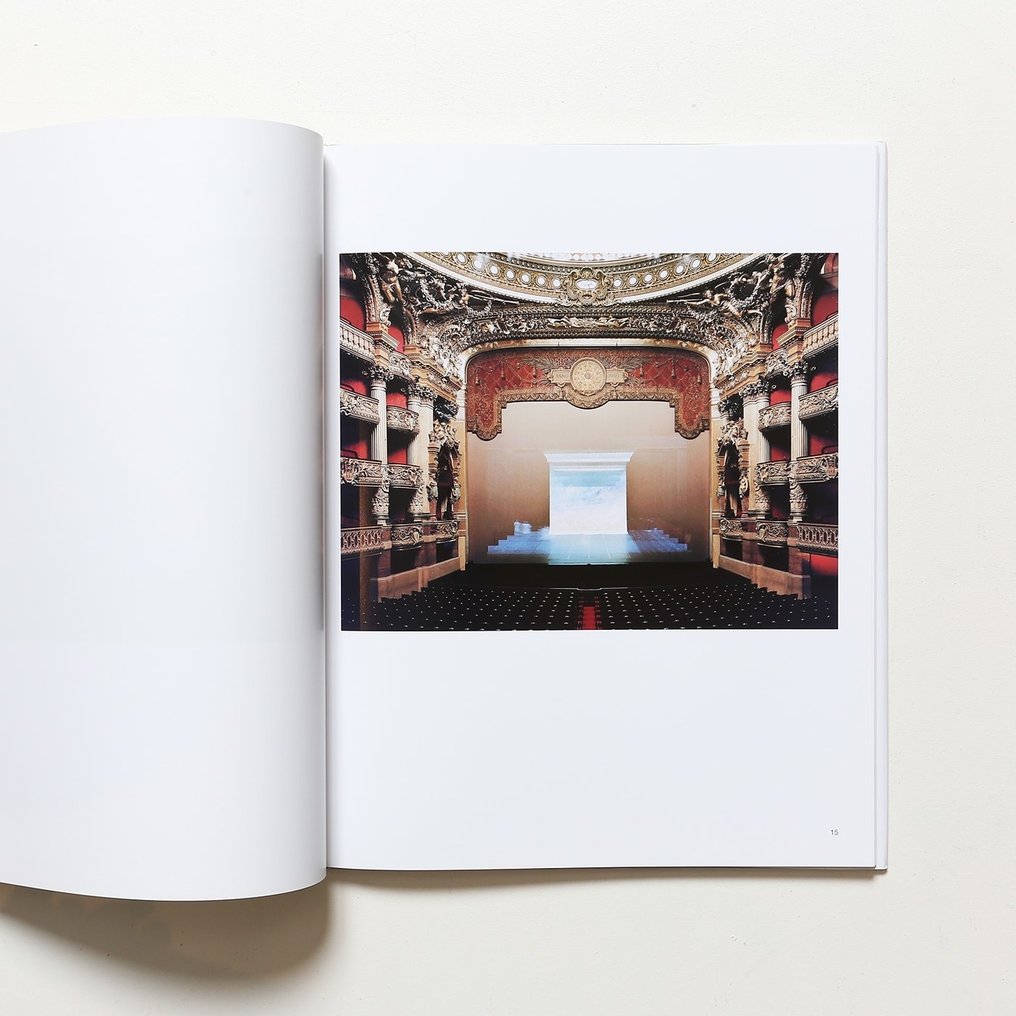
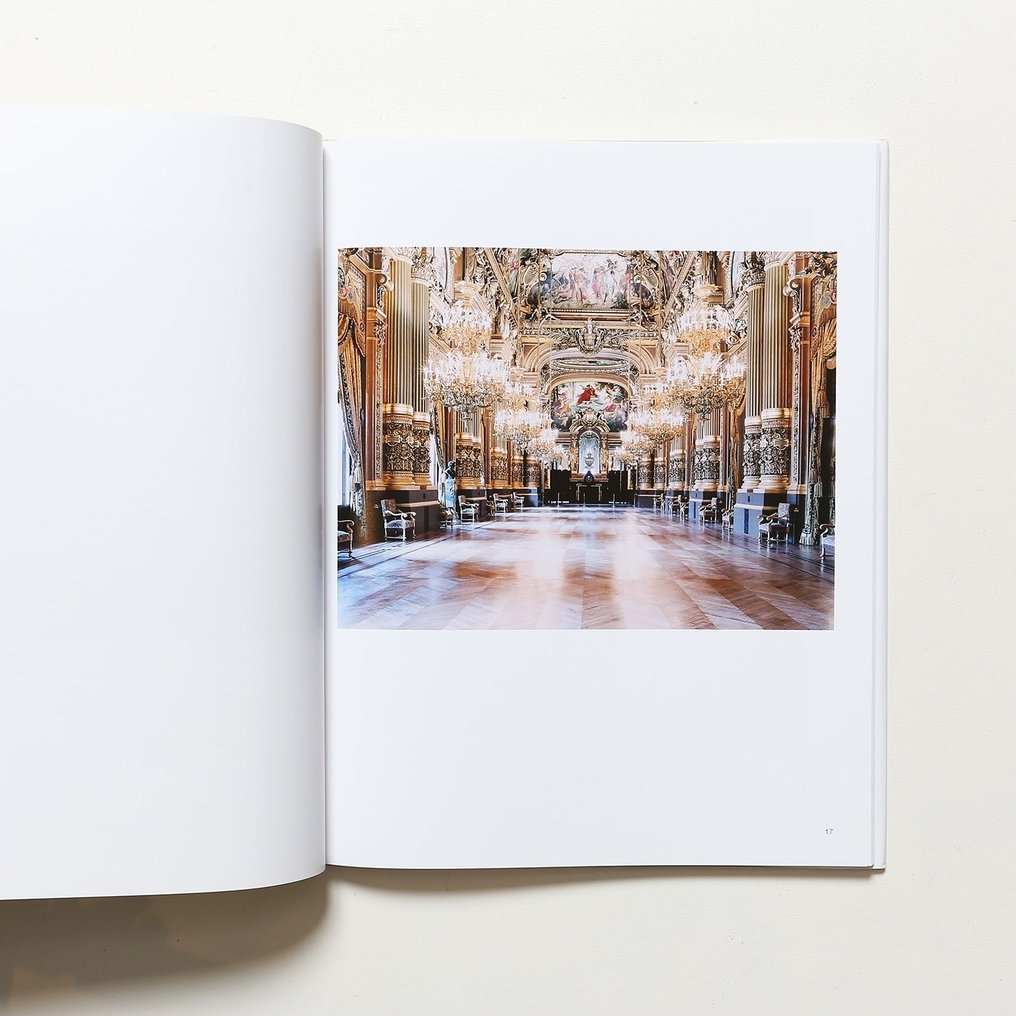
Candida Höfer’s works have something timeless about them, and opera is perhaps the most timeless cultural delight. Having dedicated a photographic series to the cathedrals of knowledge that are libraries, Höfer in her most recent cycle captures opera houses, the palaces of performing arts. Höfer’s earlier pictures of public spaces—libraries, lecture halls, museums, meeting rooms—forever devoid of people, made us sense the presence of those absent. Her opera photographs take us one step beyond: empty foyers, orchestras, stages, wings, and boxes make us imagine both the protagonists—performers and audience—and the fictitious figures, plots, and places that populate these venues during a night at the opera. In her most recent publication Candida Höfer portrays two Paris opera houses that are exemplary for their age and time: the neoclassicist Palais Garnier (1875), original Phantom of the Opera site, and the modern-style Opéra Bastille (1989).
Details
Number of books
1
Subject
Photography
Book title
Opéra de Paris
Author/ Illustrator
Candida Höfer
Condition
As new
Publication year oldest item
2006
Edition
1st Edition
Language
French
Original language
Yes
Publisher
Schirmer/Mosel
Binding/ Material
Hardback
Extras
Dust jacket
Number of pages
80