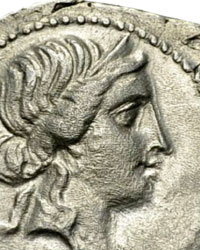
Roman Empire (Provincial) Lot 5 coins (No reserve price)


01
day
13
hours
59
minutes
43
seconds

 | €1 |
|---|
Catawiki Buyer Protection
Your payment’s safe with us until you receive your object.View details
Trustpilot 4.4 | 143878 reviews
Rated Excellent on Trustpilot.
Lot of 5 authentic Roman coins (bronze/copper alloy CU) from the 2nd–3rd century AD, including a sestertius, dupondius and provincial issues, with a total weight of 95.07 g and not certified.
AI-assisted summary
Description from the seller
Lot of 5 Roman coins (Bronze/Billon: Sestertius, Dupondius, Provincial) - 2nd-3rd century AD.
Magnificent and varied lot of five authentic, ancient Roman coins from the 2nd and 3rd centuries AD.
The lot offers a beautiful mix of imperial nominates, including a sestertius (large bronze) and an Antoninianus with an exceptionally sharp, fully legible legend. Ideal for the history enthusiast, the beginning collector, or as an addition to a study collection of finds from digs.
Specifications and identification of the 5 coins:
1. Roman Imperial – Gordianus III (238–244 AD)
• Type: Antoninianus / As (Bronze/Copper alloy)
• Obverse: Draped bust of the young emperor facing right with radiate crown. Exceptionally sharp and fully legible legend: IMP CAES M ANT GORDIANVS PIVS FEL AVG.
• Reverse: The emperor (or Virtus) in military attire standing right, holding a spear and shield/globus. Remnants of dating readable in the edge inscription (TR P III COS). Struck at Rome, circa 240–241 AD.
• Features: A top piece of this lot. Very expressive portrait and sharp lettering with a fair find-spot patina.
2. Roman Provincial – Gordianus III or Severus Alexander (3rd century AD)
• Mint: Antiochia in Pisidia (modern Turkey)
• Type: Large provincial bronze coin (AE)
• Obverse: Laureate bust to the right.
• Reverse: The iconic Roman she-wolf (Lupa Romana) under a fig tree feeding the twins Romulus and Remus. In the incuse, the letters S R (Senatus Romanus).
• Features: A historically highly sought-after and fascinating type on the reverse, cherished by collectors.
3. Roman Imperial – Faustina the Younger (Faustina II) (wife of Marcus Aurelius)
• Type: As / Dupondius
• Obverse: Bust of the empress to the right, with her hair in the distinctive chignon.
• Reverse: Standing female deity (possibly Venus or Salus), flanked by the senatorial letters S - C (Senatus Consulto).
4. Roman Imperial – Antonine Dynasty (Antoninus Pius or Marcus Aurelius, 2nd century AD)
• Type: Sestertius (Large Bronze)
• Obverse: Prominent bearded portrait of the emperor with laurel wreath to the right.
• Reverse: Remnants of a standing deity/figure leaning on a scepter or spear.
• Features: The largest bronze coin denomination of the Roman imperial era, with a robust impression.
5. Roman Imperial – Trajan (early 2nd century AD)
• Type: As / Dupondius
• Obverse: Powerfully laureate portrait in high relief to the right.
• Reverse: Standing deity (possibly Pax or Felicitas) with attribute.
Details
Era
Before 1400
Culture/region
Roman Empire (Provincial)
Denomination
Lot 5 coins
Metal
CU
Condition
Ungraded
Weight
95.07 g
Number of objects
5
Theme
History