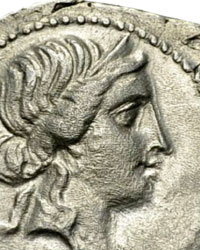
Western Asia Minor Archaic Silver Bullion Ca. 650–500 BC (No reserve price)


04
days
05
hours
06
minutes
08
seconds

 | €20 |
|---|
Catawiki Buyer Protection
Your payment’s safe with us until you receive your object.View details
Trustpilot 4.4 | 143397 reviews
Rated Excellent on Trustpilot.
Archaic Silver Bullion from Western Asia Minor, dating to ca. 650–500 BC, weighing 0.9 g and 9.2 mm in diameter.
AI-assisted summary
Description from the seller
Western Asia Minor.
Ca. 650–500 BC.
Archaic Silver Bullion (9.2 mm, 0.9 g).
Reference: Kroll, The Monetary Use of Weighed Bullion in Archaic Greece, pp. 12–37.
Western Asia Minor stood at the birthplace of coinage during the Archaic period. Before and alongside the earliest struck coins, silver circulated by weight as bullion, often in cut or irregular fragments used for payment and exchange. Lydia and the neighboring Greek cities of Ionia gradually transformed this older weight-based economy into coined money, making the region central to one of the most important monetary innovations of antiquity.
DISCOVER OUR CURRENT SELECTION
Visit and follow our seller profile to explore all items offered by Logos Numismatics & Antiquities across current auctions and stay informed of new listings.
IMPORTANT INFORMATION
I. All items are authentic and lawfully acquired through established European auction houses; provenance is documented in our records.
II. Every order includes one consolidated, signed certificate of authenticity and lawful provenance, recording each item's full attribution.
III. Combined shipping is available only for items won in the same auction and settled as one Catawiki order.
IV. For shipments outside the European Union, import licences, taxes, and related fees are the buyer’s responsibility. Customs delays are beyond our control.
Seller's Story
Drawing on more than 15 years of collecting experience, we offer ancient and medieval coins and artefacts that tell the stories of the lands and peoples of the eastern Mediterranean and the Near East.
Details
Era
Before 1400
Culture/region
Western Asia Minor
Year/period and variation
Ca. 650–500 BC
Denomination
Archaic Silver Bullion
Condition
Ungraded
Weight
0.9 g