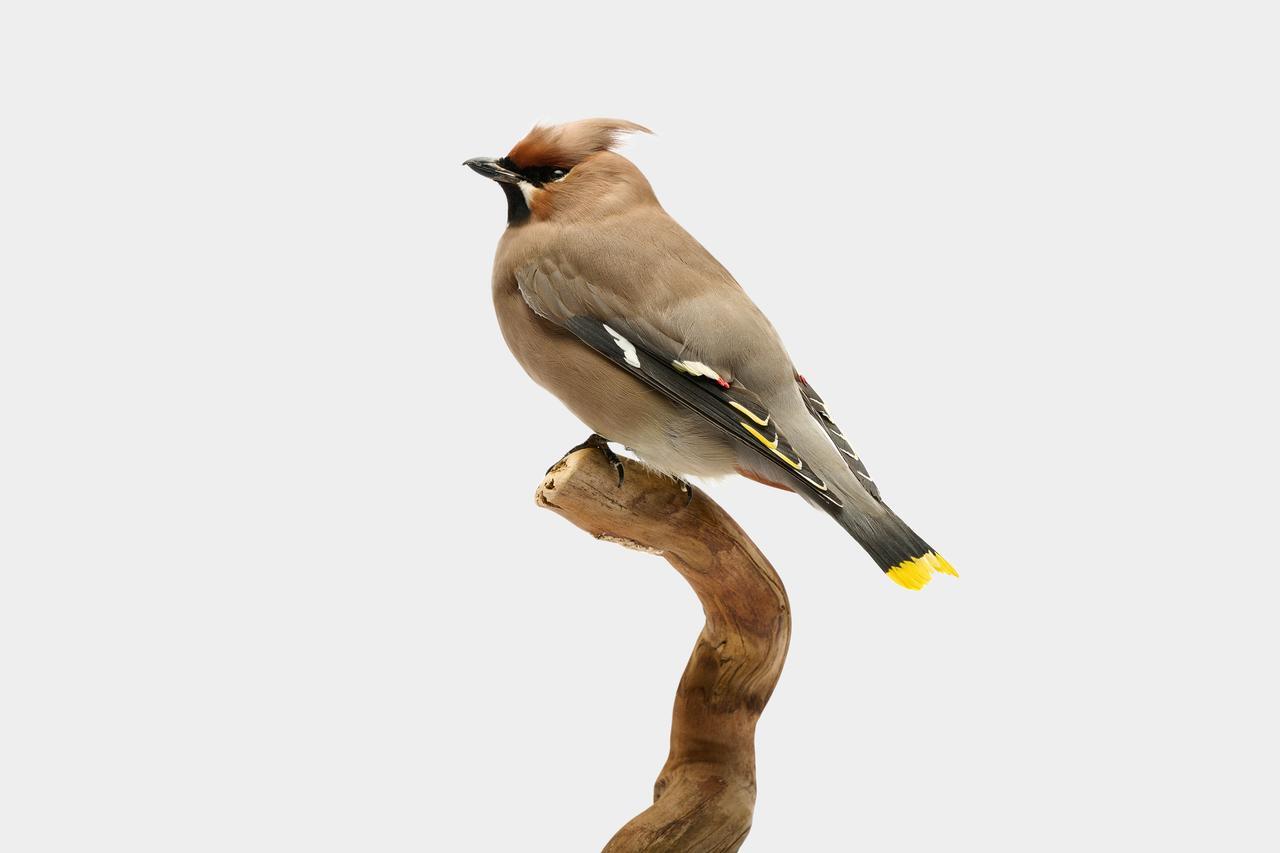
huge jaw of an oceanic white-tip shark Taxidermy full body mount - Carcharhinus longimanus - 40 cm - 41 cm - 21 cm - 1


03
days
16
hours
32
minutes
22
seconds
Current bid
€ 160
Reserve price not met

Expert
Selected by Jonas Rathaj
Has worked with taxidermy since childhood and gained retailer experience.
Estimate € 350 - € 400
 | €160 | |
|---|---|---|
| €150 | |
| €120 | |
Catawiki Buyer Protection
Your payment’s safe with us until you receive your object.View details
Trustpilot 4.4 | 143878 reviews
Rated Excellent on Trustpilot.
Specimen of Carcharhinus longimanus, an enormous oceanic white-tip shark jaw specimen from Madagascar, dated 2020, weighing 2 kg and measuring 40 cm high, 41 cm wide and 21 cm deep, in good condition.
AI-assisted summary
Description from the seller
Carcharhinus longimanus, commonly known as the hammerhead shark or oceanic white-tipped shark, is a large pelagic shark belonging to the Carcharhinidae family. It owes its scientific name (longimanus, meaning “from the long hand”) and common name to its features and large pectoral and dorsal fins, which are unusually long, rounded, and clearly marked by conspicuous white tips.
Carcharhinus longimanus, commonly known as the hammerhead shark or oceanic white-tipped shark, is a large pelagic shark belonging to the Carcharhinidae family. It owes its scientific name (longimanus, meaning “from the long hand”) and common name to its features and large pectoral and dorsal fins, which are unusually long, rounded, and clearly marked by conspicuous white tips.
It is a predominantly pelagic fish that lives in open seas in tropical and warm temperate waters around the world. It usually moves near the surface (to depths of 20-150 meters). It can reach a maximum length of about 3.5 - 4 meters and a weight of 270 kg. It is a solitary, curious and decidedly bold predator. It is often accompanied by pilot fish, remoras and tunas. Due to the scarcity of food in the open ocean, it is an opportunistic and aggressive animal in scavenging situations. Historically, it has represented one of the greatest dangers to shipwreck survivors at sea.
“The 30th of July, 1945, the American cruiser USS Indianapolis was torpedoed and sunk by a Japanese submarine in the Philippine Sea. About 900 sailors survived the impact and remained afloat in the open ocean for nearly 5 days, with no one aware of their disappearance. Attracted by blood and chaos, hundreds of hammerhead sharks (oceanic white-tipped sharks) surrounded the survivors. The sharks systematically attacked the sailors for days, turning the event into the largest shark attack in history. When rescue arrived, only 316 men were saved. It is estimated that the sharks directly killed about 150 people, while others died from dehydration and wounds”.
Good auction.
Seller's Story
We deal with naturalistic objects in
Prevalence coming from the fascinating
marine world, but by enthusiasts and
Lovers of enchanting facets.
Of life, we also propose minerals and.
metaphysical stones, taxidermies, fossils, and
decorative objects
A continuous journey through time and...
Space for the search for testimonies.
Precious.
Passion is the fire that fuels.
Our choices: collaborations with the
Major importers from exotic countries.
but also travels to discover sought-after destinations
objects
Ongoing research of new developments and
Our increasingly refined aesthetic.
main objectives
Just observe like a collector.
He manages the objects in his display case.
As soon as he/she/they take(s) one in hand, the
His or her inspired gaze seems to pierce through.
The object is to lose oneself in its distances.
Here lies the magical side of the collector.
Walter Benjamin
Translated by Google TranslateCarcharhinus longimanus, commonly known as the hammerhead shark or oceanic white-tipped shark, is a large pelagic shark belonging to the Carcharhinidae family. It owes its scientific name (longimanus, meaning “from the long hand”) and common name to its features and large pectoral and dorsal fins, which are unusually long, rounded, and clearly marked by conspicuous white tips.
Carcharhinus longimanus, commonly known as the hammerhead shark or oceanic white-tipped shark, is a large pelagic shark belonging to the Carcharhinidae family. It owes its scientific name (longimanus, meaning “from the long hand”) and common name to its features and large pectoral and dorsal fins, which are unusually long, rounded, and clearly marked by conspicuous white tips.
It is a predominantly pelagic fish that lives in open seas in tropical and warm temperate waters around the world. It usually moves near the surface (to depths of 20-150 meters). It can reach a maximum length of about 3.5 - 4 meters and a weight of 270 kg. It is a solitary, curious and decidedly bold predator. It is often accompanied by pilot fish, remoras and tunas. Due to the scarcity of food in the open ocean, it is an opportunistic and aggressive animal in scavenging situations. Historically, it has represented one of the greatest dangers to shipwreck survivors at sea.
“The 30th of July, 1945, the American cruiser USS Indianapolis was torpedoed and sunk by a Japanese submarine in the Philippine Sea. About 900 sailors survived the impact and remained afloat in the open ocean for nearly 5 days, with no one aware of their disappearance. Attracted by blood and chaos, hundreds of hammerhead sharks (oceanic white-tipped sharks) surrounded the survivors. The sharks systematically attacked the sailors for days, turning the event into the largest shark attack in history. When rescue arrived, only 316 men were saved. It is estimated that the sharks directly killed about 150 people, while others died from dehydration and wounds”.
Good auction.
Seller's Story
We deal with naturalistic objects in
Prevalence coming from the fascinating
marine world, but by enthusiasts and
Lovers of enchanting facets.
Of life, we also propose minerals and.
metaphysical stones, taxidermies, fossils, and
decorative objects
A continuous journey through time and...
Space for the search for testimonies.
Precious.
Passion is the fire that fuels.
Our choices: collaborations with the
Major importers from exotic countries.
but also travels to discover sought-after destinations
objects
Ongoing research of new developments and
Our increasingly refined aesthetic.
main objectives
Just observe like a collector.
He manages the objects in his display case.
As soon as he/she/they take(s) one in hand, the
His or her inspired gaze seems to pierce through.
The object is to lose oneself in its distances.
Here lies the magical side of the collector.
Walter Benjamin
Translated by Google TranslateDetails
Era
After 2000
Specimen
huge jaw of an oceanic white-tip shark
Scientific name
Carcharhinus longimanus
Number of objects
1
Country of origin
Madagascar
Condition
Good condition
Year
2020
Weight
2 kg
Height
40 cm
Width
41 cm
Depth
21 cm