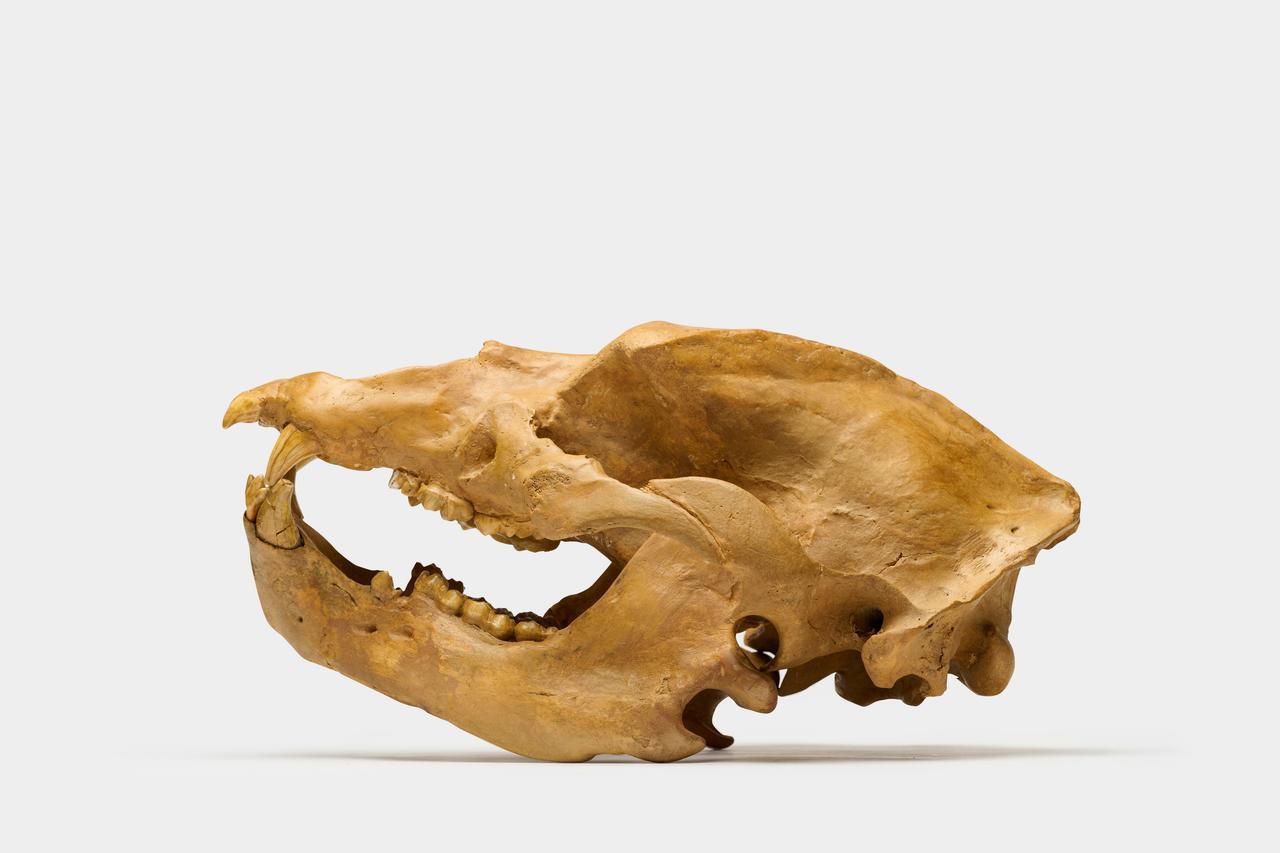
enormous Megalodon tooth - Fossil tooth - otodus megalodon - 139 mm - 113 mm


06
days
17
hours
44
minutes
33
seconds

 | €1 |
|---|
Catawiki Buyer Protection
Your payment’s safe with us until you receive your object.View details
Trustpilot 4.4 | 143806 reviews
Rated Excellent on Trustpilot.
Otodus megalodon specimen, an enormous Megalodon tooth from Madagascar dating to the Neogene Miocene, in natural condition, weight 800 g, dimensions 139 × 113 × 40 mm, authenticity original.
AI-assisted summary
Description from the seller
Otodus megalodon.
The species name, megalodon, derives from Greek and means "great tooth"), commonly known as megalodon or megalodonte, is an extinct species of giant shark that lived from the Early Miocene to the Early Pliocene, about 23-3.6 million years ago. In the past it was thought that O. megalodon was a member of the Lamnidae family and a close relative of the great white shark (Carcharodon carcharias), but subsequent studies have reclassified it within the extinct Otodontidae family. Although it is considered one of the largest and most powerful predators ever lived, the megalodon is known only from fragmentary remains and its appearance, as well as its maximum size, are uncertain; several scientists still debate whether the animal looked more like a chunkier version of the great white shark (Carcharodon carcharias), the basking shark (Cetorhinus maximus) or the sand tiger shark (Carcharias taurus). The most recent estimate with the smallest error range suggests a maximum length of up to 17.3 meters. The teeth of this species were thick and robust, built to grip prey and break bones, and its enormous jaws could exert a bite force between 108,500 and 182,200 newtons.
The megalodon probably had a major impact on the structure of marine communities, as the fossil remains available to us show that it had a cosmopolitan distribution. The usual prey of these animals were other large marine creatures, such as whales, seals and sea turtles. The juveniles inhabited warm coastal waters and fed on fish and small whales. Unlike the great white shark, which attacks its prey from below, the megalodon likely used its powerful jaws to crush the thoracic cavity, perforating the heart and lungs of its prey.
Despite its size, the megalodon was in competition with other large marine predators, such as the predatory whale Livyatan, macroraptorial sperm whales and, perhaps, ancestral orcas (Orcinus). Because this shark preferred warmer waters, it is believed that ocean cooling associated with the onset of the glacial eras, together with lowering sea levels and the consequent loss of suitable breeding areas, may have contributed to its decline. A reduction in mysticete diversity and a shift in their distribution toward polar regions could have reduced the predator’s primary food source. The extinction of the megalodon coincides with the gigantism trend in mysticetes.
A beautiful lot, exceptional allure as a symbol of a timeless predator:
impressive megalodon tooth.
Stand not included, made with reclaimed material and used for photographic purposes only.
Happy bidding.
Seller's Story
We deal with naturalistic objects in
Prevalence coming from the fascinating
marine world, but by enthusiasts and
Lovers of enchanting facets.
Of life, we also propose minerals and.
metaphysical stones, taxidermies, fossils, and
decorative objects
A continuous journey through time and...
Space for the search for testimonies.
Precious.
Passion is the fire that fuels.
Our choices: collaborations with the
Major importers from exotic countries.
but also travels to discover sought-after destinations
objects
Ongoing research of new developments and
Our increasingly refined aesthetic.
main objectives
Just observe like a collector.
He manages the objects in his display case.
As soon as he/she/they take(s) one in hand, the
His or her inspired gaze seems to pierce through.
The object is to lose oneself in its distances.
Here lies the magical side of the collector.
Walter Benjamin
Translated by Google TranslateOtodus megalodon.
The species name, megalodon, derives from Greek and means "great tooth"), commonly known as megalodon or megalodonte, is an extinct species of giant shark that lived from the Early Miocene to the Early Pliocene, about 23-3.6 million years ago. In the past it was thought that O. megalodon was a member of the Lamnidae family and a close relative of the great white shark (Carcharodon carcharias), but subsequent studies have reclassified it within the extinct Otodontidae family. Although it is considered one of the largest and most powerful predators ever lived, the megalodon is known only from fragmentary remains and its appearance, as well as its maximum size, are uncertain; several scientists still debate whether the animal looked more like a chunkier version of the great white shark (Carcharodon carcharias), the basking shark (Cetorhinus maximus) or the sand tiger shark (Carcharias taurus). The most recent estimate with the smallest error range suggests a maximum length of up to 17.3 meters. The teeth of this species were thick and robust, built to grip prey and break bones, and its enormous jaws could exert a bite force between 108,500 and 182,200 newtons.
The megalodon probably had a major impact on the structure of marine communities, as the fossil remains available to us show that it had a cosmopolitan distribution. The usual prey of these animals were other large marine creatures, such as whales, seals and sea turtles. The juveniles inhabited warm coastal waters and fed on fish and small whales. Unlike the great white shark, which attacks its prey from below, the megalodon likely used its powerful jaws to crush the thoracic cavity, perforating the heart and lungs of its prey.
Despite its size, the megalodon was in competition with other large marine predators, such as the predatory whale Livyatan, macroraptorial sperm whales and, perhaps, ancestral orcas (Orcinus). Because this shark preferred warmer waters, it is believed that ocean cooling associated with the onset of the glacial eras, together with lowering sea levels and the consequent loss of suitable breeding areas, may have contributed to its decline. A reduction in mysticete diversity and a shift in their distribution toward polar regions could have reduced the predator’s primary food source. The extinction of the megalodon coincides with the gigantism trend in mysticetes.
A beautiful lot, exceptional allure as a symbol of a timeless predator:
impressive megalodon tooth.
Stand not included, made with reclaimed material and used for photographic purposes only.
Happy bidding.
Seller's Story
We deal with naturalistic objects in
Prevalence coming from the fascinating
marine world, but by enthusiasts and
Lovers of enchanting facets.
Of life, we also propose minerals and.
metaphysical stones, taxidermies, fossils, and
decorative objects
A continuous journey through time and...
Space for the search for testimonies.
Precious.
Passion is the fire that fuels.
Our choices: collaborations with the
Major importers from exotic countries.
but also travels to discover sought-after destinations
objects
Ongoing research of new developments and
Our increasingly refined aesthetic.
main objectives
Just observe like a collector.
He manages the objects in his display case.
As soon as he/she/they take(s) one in hand, the
His or her inspired gaze seems to pierce through.
The object is to lose oneself in its distances.
Here lies the magical side of the collector.
Walter Benjamin
Translated by Google TranslateDetails
Number of objects
1
Specimen
enormous Megalodon tooth
Scientific name
otodus megalodon
Country of origin
Madagascar
Geological period
Neogene, Miocene (23.03 - 5.33 million years)
Condition
Natural
Weight
800 g
Height
139 mm
Width
113 mm
Depth
40 mm
Authenticity
Original/official