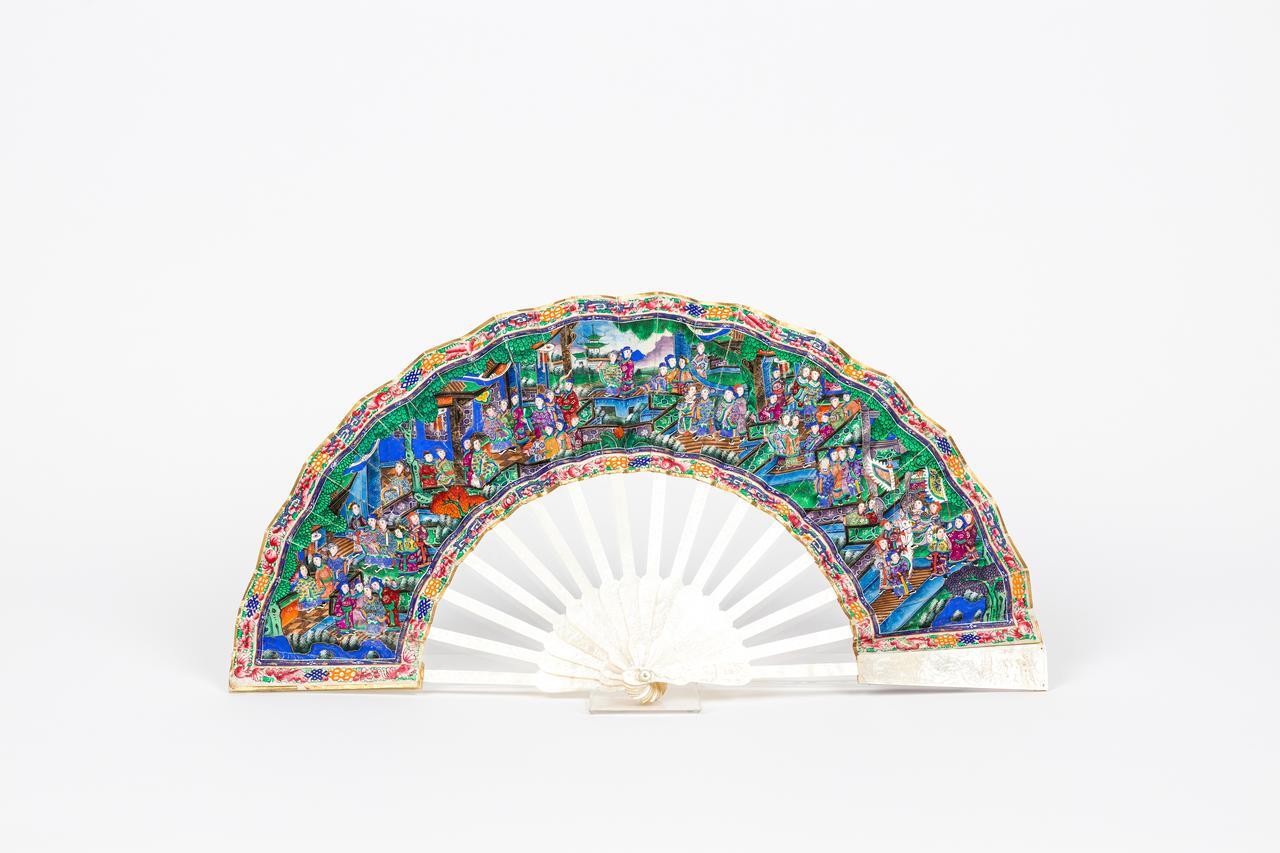
Boeddhistisch sculptuur met de Ashtamangala - Bronze - Asia


03
days
04
hours
32
minutes
54
seconds
Current bid
€ 190
Reserve price met

Expert
Selected by Sarah Le Helley
Studied Asian art and art market management; researched art in Taipei; worked in auctions.
Estimate € 280 - € 330
 | €190 | |
|---|---|---|
 | €185 | |
| €175 | |
Catawiki Buyer Protection
Your payment’s safe with us until you receive your object.View details
Trustpilot 4.4 | 143397 reviews
Rated Excellent on Trustpilot.
This bronze Buddhist sculpture titled “Boeddhistisch sculptuur met de Ashtamangala” from Asia is in good condition, signed, and measures 20 cm wide, 29 cm high and 10 cm deep, weighing 1540 g.
AI-assisted summary
Description from the seller
The Ashtamangala (Sanskrit for "eight auspicious symbols") form a sacred collection of eight favorable signs deeply rooted in spiritual traditions such as Hinduism, Jainism, and especially Tibetan Buddhism. They represent the qualities of an enlightened mind and symbolize the offerings the gods made to the Buddha after his enlightenment.
The Eight Symbols
1. The Umbrella or Parasol (Chattra)
• Meaning: Symbolises spiritual protection against heat, illness, negative forces and obstacles. It also stands for protection against ignorance.
2. The Two Golden Fish (Matsyayugma)
• Meaning: Represent happiness, freedom, and courage. Just as fish swim freely in water, they symbolize fearlessness and liberation from the cycle of suffering (samsara).
3. The Vase of Great Treasures (Kalash)
• Meaning: Represents infinite spiritual and material wealth, health, and the abundance of the Buddhist teaching (Dharma). The vase never runs dry; the more it is shared, the more it remains full.
4. The Lotus Flower (Padma)
• Meaning: The symbol par excellence of spiritual purity, transformation, and transcendence. The lotus grows from the mud and rises above the water to bloom as a pure, beautiful flower, symbolizing the mind rising above suffering.
5. The White Conch Shell (Sankha)
• Meaning: Symbolises the deep, lyrical sound of the Dharma (the Buddhist teaching) that awakens spiritual practitioners from their sleep of ignorance and calls them to follow the path.
6. The Endless Knot (Shrivasta)
• Meaning: A geometric pattern with no beginning or end. It represents the interdependence of all things, eternity, and the inseparable unity of wisdom and compassion.
7. The Victory Banner (Dhwaja)
• Meaning: Symbolises the Buddha's victory over the four Maras (the demons of desire, illusion, despair and the fear of death). It stands for the triumph of wisdom over ignorance.
8. The Wheel of Dharma (Dharmachakra)
• Meaning: One of the most important Buddhist symbols. The eight spokes of the wheel represent the Noble Eightfold Path that leads to the end of suffering and the attainment of enlightenment
Details
Era
1900-2000
Country of origin
Asia
Material
Bronze
Title of artwork
Boeddhistisch sculptuur met de Ashtamangala
Signature
Signed
Condition
Good condition
Height
29 cm
Width
20 cm
Depth
10 cm
Weight
1540 g
Sold by