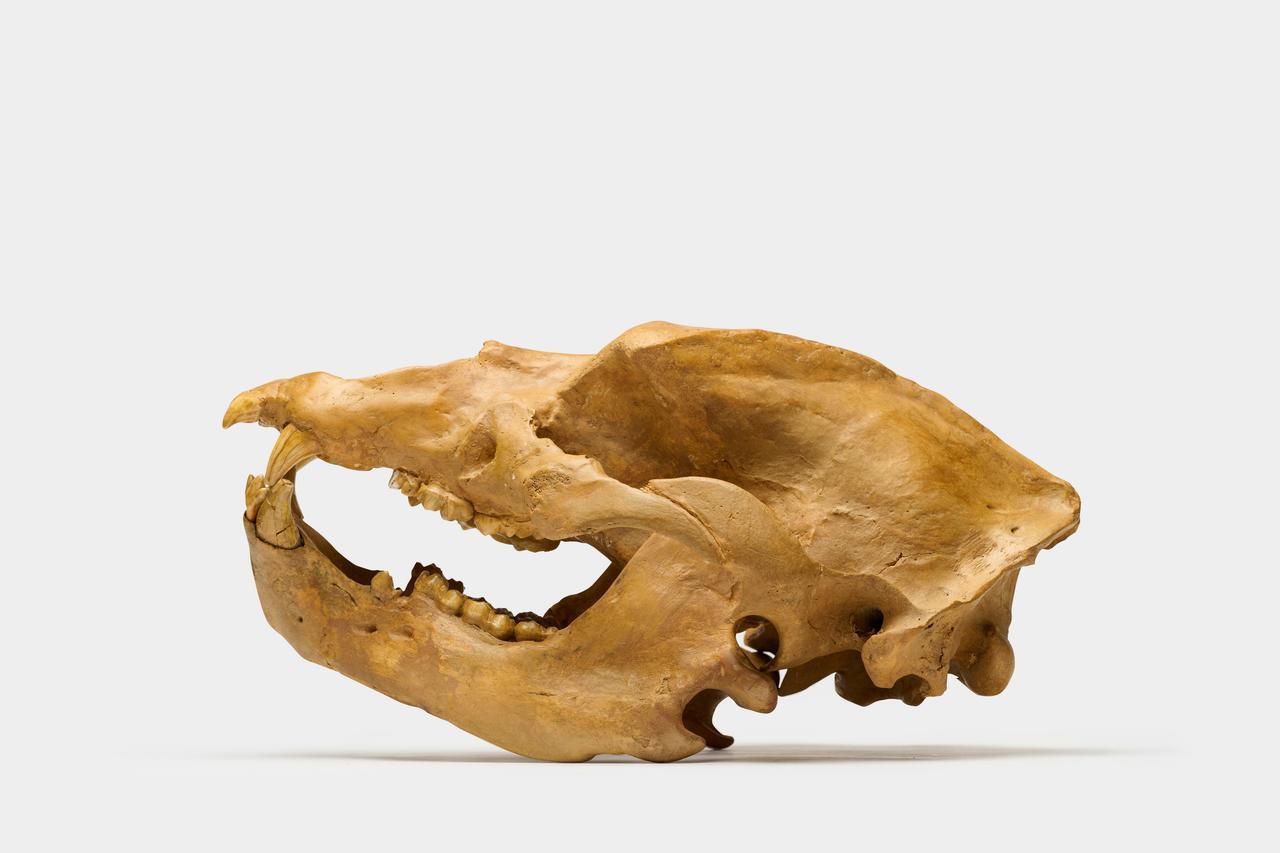
Fossilised animal - Asialepidotus shingyiensis - 11.6 cm - 8.2 cm (No reserve price)


00
days
20
hours
05
minutes
07
seconds

 | €49 | |
|---|---|---|
 | €46 | |
 | €43 | |
Catawiki Buyer Protection
Your payment’s safe with us until you receive your object.View details
Trustpilot 4.4 | 143878 reviews
Rated Excellent on Trustpilot.
Asialepidotus shingyiensis specimen from Asia, Upper Triassic (237–201 million years ago), reinforced on the back with a rock plate and in natural condition.
AI-assisted summary
Description from the seller
Asialepidotus shingyiensis – Authentic fossil of a Triassic bony fish (Guizhou, China)
Discover a magnificent fossil of Asialepidotus shingyiensis, an emblematic species of bony fish that lived about 235 million years ago, in the Middle Triassic. Originating from the famous fossiliferous region of Guizhou, China, this specimen is a true collector's piece, combining scientific interest and aesthetics.
Age: Late Triassic (270-210 million years)
Location: Yunnan and Guizhou Provinces, China
Sizes: 11.6x8.2x0.9 cm
Weight: 168 g
The back has been reinforced by adding a rock slab of the same lithology, ensuring excellent rigidity and safe handling.
The Xingyi Asian Lepidotus fossil was first discovered in 1957 in the village of Lvyin, the town of Dingxiao, Xingyi. Previously, it was generally classified in the order Hypogynopterygians, but recent research has placed it in the order Hemigynopterygians. It was the most abundant and largest herring-like fish in the Upper Yangtze region during the Middle Triassic.
* Professional and highly secure packaging.
Details
Number of objects
1
Scientific name
Asialepidotus shingyiensis
Country of origin
Asia
Geological period
Triassic, Upper (237 - 201.3 million years)
Condition
Natural
Weight
168 g
Height
11.6 cm
Width
8.2 cm
Depth
0.9 cm
Authenticity
Original/official
Sold by