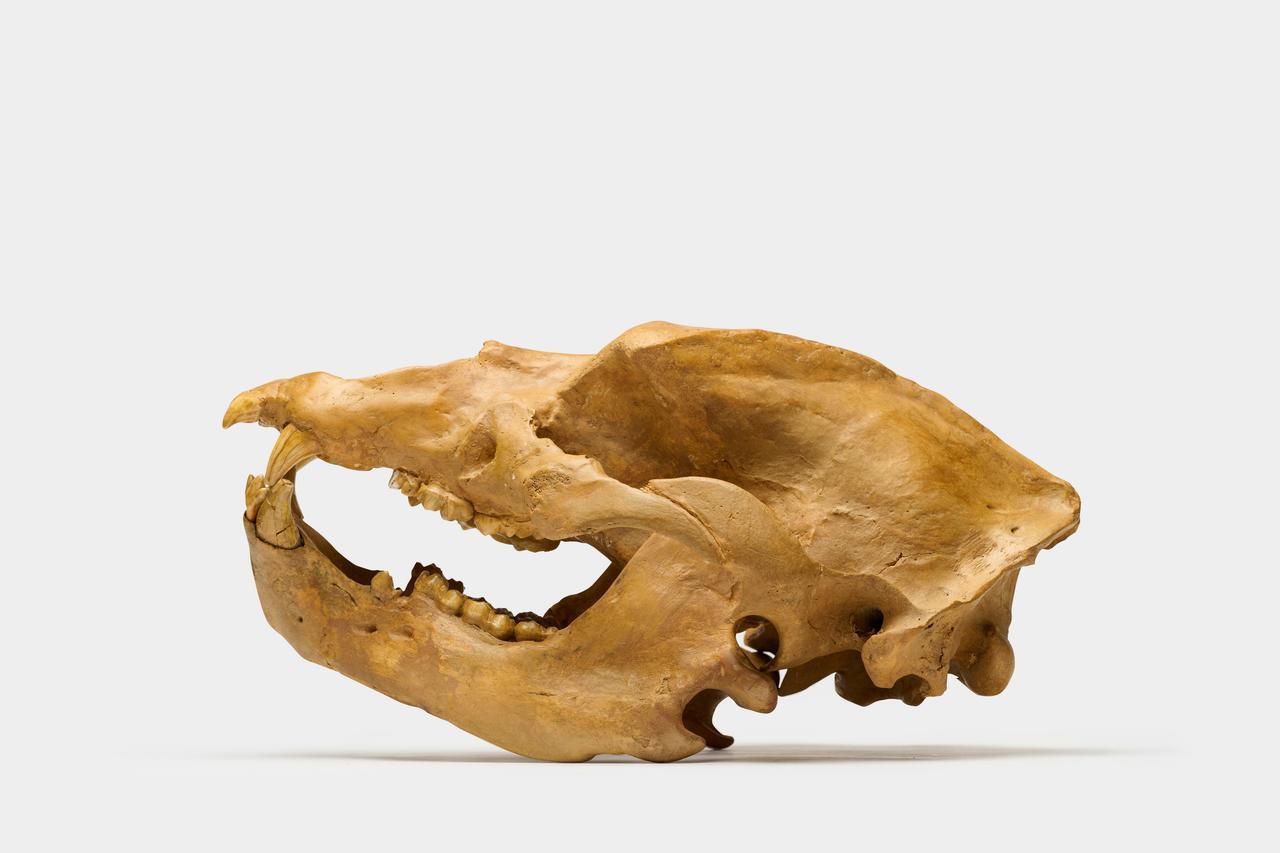
Monster Fossil "poop"- - Fossil fragment - Coprolite- Large stunning specimen


00
days
10
hours
44
minutes
29
seconds

 | €65 | |
|---|---|---|
| €45 | |
| €40 | |
Catawiki Buyer Protection
Your payment’s safe with us until you receive your object.View details
Trustpilot 4.4 | 143727 reviews
Rated Excellent on Trustpilot.
Coprolite from Madagascar dating to the Cretácico period is a natural specimen with official authenticity, scientifically named Coprolite- Large stunning specimen and described as a Monster Fossil “poop”.
AI-assisted summary
Description from the seller
Coprolites are fossilized feces!
They were described for the first time in 1829 by William Buckland. Their main importance lies in the fact that they constitute direct evidence of the eating habits and predation of extinct species, especially carnivores, since it is easier to find undigested bones than vegetal remains (although this is not impossible), in many cases establishing direct relationships between predator and prey, which otherwise would only be theoretical.
They are of German origin. The study of coprolites constitutes a very important field for palaeontology, since taking into account the place where they were found and their characteristics, it is possible to determine with some precision which animals they belonged to.
Until now, it has been confirmed that the vast majority of coprolites found in different parts of the world belonged to invertebrates, mammals, carnivorous birds and dinosaurs.
This coprolite is well-preserved, with a near-perfect shape; it looks fresh, 9 cm in size and very heavy.
Nice display included.
Specimen is 6 cm long
Interesting and peculiar fossil.
Despite every effort to provide accurate images of each fossil’s color, actual colors may vary slightly due to different device screen settings and lighting in the installation location.
Seller's Story
I, Don, started fossil hunting in 1987, going from a passionate collector to a professional preparator and researcher. In all these years I have traveled searching for fossils in many parts of the world.
Our fossils are present in private collections in the United States, Singapore, Taiwan, as well as in prestigious museums in the Uk, China and Japan.
Quality in the preparation of the material and seriousness in managing the shipment in the best possible way distinguish us.
Don
Details
Specimen
Monster Fossil "poop"-
Scientific name
Coprolite- Large stunning specimen
Country of origin
Madagascar
Geological period
Cretaceous (145 - 66 million years)
Condition
Natural
Authenticity
Original/official
Sold by