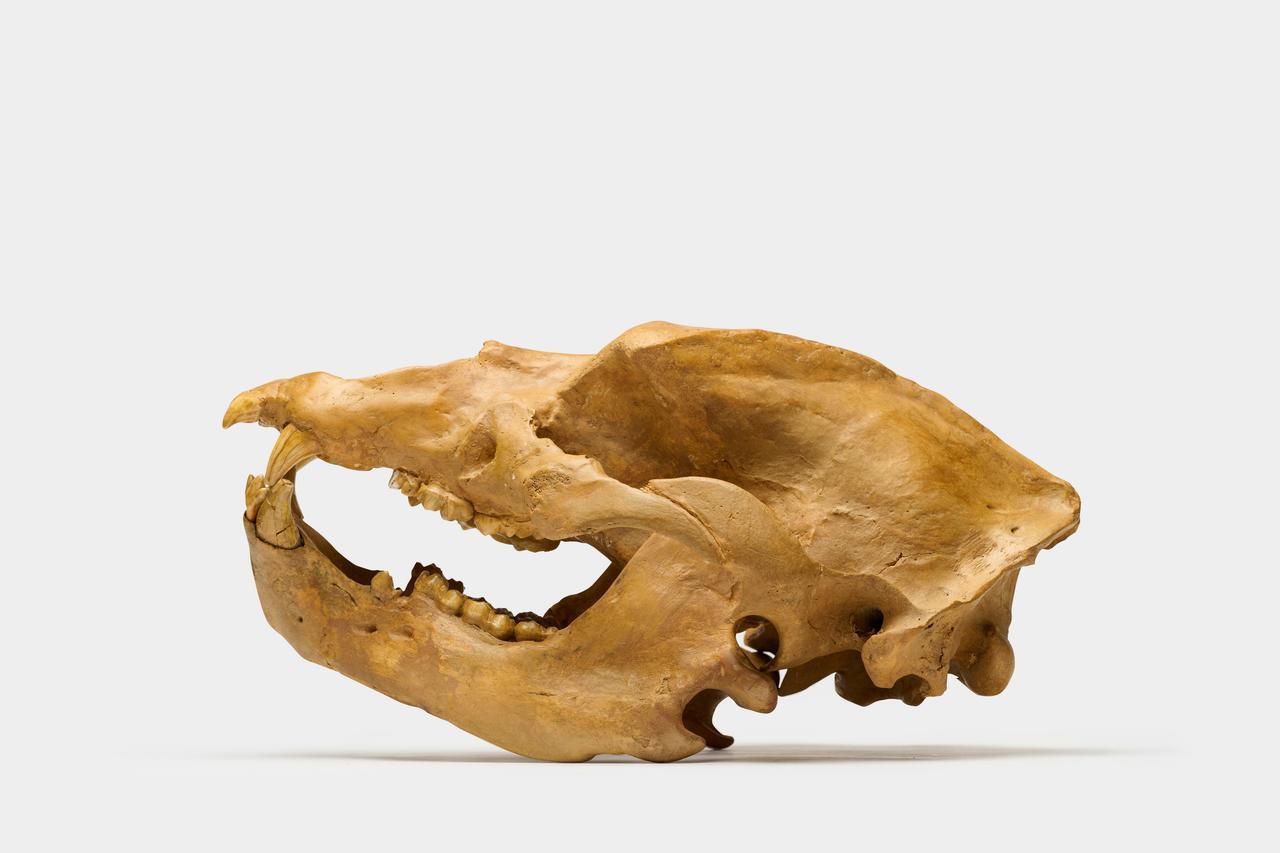
Lot of 3 fossil teeth of Marine Reptiles – Prognathodon, Globidens and Zarafasaura + Fragment of - Fossil tooth (No reserve price)


06
days
00
hours
12
minutes
38
seconds

No bids placed
Catawiki Buyer Protection
Your payment’s safe with us until you receive your object.View details
Trustpilot 4.4 | 143856 reviews
Rated Excellent on Trustpilot.
Lot of three authentic Late Cretaceous marine reptile teeth from the Ouled Abdoun Basin, Morocco, including Globidens phosphaticus, Prognathodon giganteus and Zarafasaura oceanis, plus a Mosasaurus fossil bone fragment; period about 72 million years ago; condition Natural; authenticity Original/official.
AI-assisted summary
Description from the seller
For sale a magnificent educational and historical lot consisting of three authentic fossil teeth from marine reptiles of the Late Curoic? No, Late Cretaceous? The original says Cretácico Superior. We'll translate as Late Cretaceous. Here goes:
For sale a magnificent educational and historical lot composed of three authentic fossil teeth from marine reptiles of the Late Cretaceous. The three specimens come from the famous phosphate deposits of Morocco and represent the incredible diversity of the predators that dominated the oceans more than 70 million years ago.
Technical Data of the Lot
• Era / Period: Late Cretaceous (Maastrichtian), approximately 72.1 million years ago.
• Geological formation: Ouled Abdoun Basin.
• Provenance: Oued Zem, Khouribga Region, Morocco.
Individual Details of the Pieces:
1. Tooth of Globidens phosphaticus (Mosasaur with heavy dentition)
• Length: 2.3 cm.
• Description: A fantastic and highly characteristic specimen of this mosasaur specialized for crushing. Unlike other marine reptiles, its teeth evolved with a rounded, globose dome-shaped form, specifically designed to triturate the hard shells of ammonites, bivalves, and sea turtles.
2. Pterygoid tooth of Prognathodon giganteus (Mosasaur superpredator)
• Length: 3.5 cm.
• Description: A piece of enormous scientific and anatomical interest. The tooth bears only the carina on its posterior part, maintaining a rounded morphology at the front. This highly specific morphological feature strongly indicates that it is a pterygoid tooth (located on the palate/roof of the mouth), used by the animal to hold and guide prey toward the throat. It preserves a dark, intense color and a well-preserved enamel.
3. Tooth of Zarafasaura oceanis (Elasmosaurid plesiosaur)
• Length: 5.5 cm.
• Description: Impressive long, slender tooth of a long-neck plesiosaur. It shows the typical curvature and fine longitudinal striations on the enamel, perfectly adapted to catching slippery fish and cephalopods in the open ocean.
4. Fossil Bone Fragment of Mosasaurus (Piece / Multi-use Display Stand)
• Dimensions: 8 x 6 x 6 cm.
• Description: A solid block of matrix with a fossilized bone remain of Mosasaur. It features a magnificent internal trabecular bone texture, porous and of a very striking pale white/cream color. Because of its morphology and stability, this piece can be perfectly used as a natural and organic display stand to place on top the three dental teeth of the lot, creating a unique paleontological diorama in your display case.
Details
Specimen
Lot of 3 fossil teeth of Marine Reptiles – Prognathodon, Globidens and Zarafasaura + Fragment of
Country of origin
Morocco
Geological period
Cretaceous, Upper (100.5 - 66 million years)
Condition
Natural
Authenticity
Original/official
Sold by