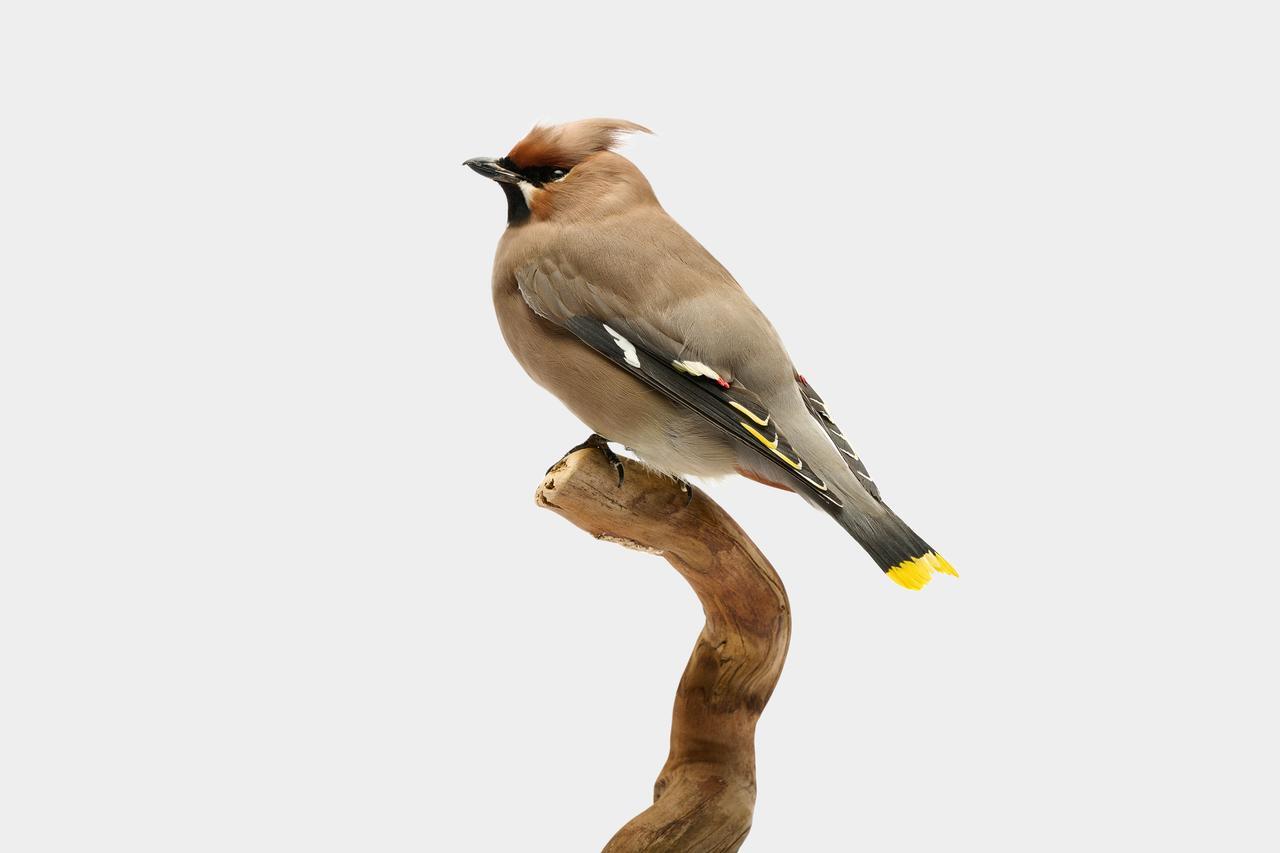
enormous Mediterranean crab Taxidermy full body mount - Paromola macrochira - 11 cm - 58 cm - 22 cm - 1


03
days
22
hours
22
minutes
23
seconds
Current bid
€ 1
Reserve price not met

Expert
Selected by Jonas Rathaj
Has worked with taxidermy since childhood and gained retailer experience.
Estimate € 220 - € 250
 | €1 |
|---|
Catawiki Buyer Protection
Your payment’s safe with us until you receive your object.View details
Trustpilot 4.4 | 143878 reviews
Rated Excellent on Trustpilot.
Specimen Paromola macrochira, an enormous Mediterranean crab from Italy, in good condition, year 2025, 11 cm high, 58 cm wide, 22 cm deep, weight 2 g.
AI-assisted summary
Description from the seller
Paromola macrochira is a fascinating benthic decapod crustacean belonging to the Homolidae family. It lives mainly on the deep ocean bottoms of Japan and the Northwest Pacific. It features a robust and heavily calcified carapace, roughly triangular in shape with rounded margins, which can reach about 20 centimeters in length. The dorsal surface is convex and covered with small spines, aculei, and protective tubercles. As the scientific name suggests (macrochira = large hands), it possesses exceptionally long and muscular anterior limbs, equipped with sharp spines along the outer margins. The ambulatorial legs are slender and significantly elongated relative to the body. The color of the body ranges from shades of dark brown to reddish, often interrupted by pale white-gray or irregular patches on the carapace. One of the most curious biological peculiarities of the genus Paromola lies in the fifth pair of legs (the last posterior legs). These are reduced, located in a sub-dorsal position, and equipped with a kind of prehensile pincer at the end. Thanks to this anatomy, the crab uses them to grasp and support objects above the rear part of its own carapace. It usually carries sponges, branches of black coral, or gorgonians, actively using them as a shield or as chemical/visual camouflage to defend itself from predators in the dark ocean depths. This is a species that inhabits deep waters (up to several hundred meters), preferring muddy, sandy bottoms or submerged rocky walls. It is geographically distributed in the Pacific, particularly along the coasts of Japan, Taiwan, and Korea. The subject in question is without the claw on the fourth right leg, yet remains an extremely fascinating specimen in truly BIG dimensions. Stand not included, made from reclaimed material and used solely for photographic purposes. A necessary clarification. The final image of our photographic gallery is obtained with the help of AI software. The aim is purely aesthetic but also exemplary at the same time: it shows the real object within an artificially generated scenography. The objective is to show how precious the items in the auction are and how well they figure in different, all highly refined environments. Thank you for your attention.
Seller's Story
We deal with naturalistic objects in
Prevalence coming from the fascinating
marine world, but by enthusiasts and
Lovers of enchanting facets.
Of life, we also propose minerals and.
metaphysical stones, taxidermies, fossils, and
decorative objects
A continuous journey through time and...
Space for the search for testimonies.
Precious.
Passion is the fire that fuels.
Our choices: collaborations with the
Major importers from exotic countries.
but also travels to discover sought-after destinations
objects
Ongoing research of new developments and
Our increasingly refined aesthetic.
main objectives
Just observe like a collector.
He manages the objects in his display case.
As soon as he/she/they take(s) one in hand, the
His or her inspired gaze seems to pierce through.
The object is to lose oneself in its distances.
Here lies the magical side of the collector.
Walter Benjamin
Translated by Google TranslateParomola macrochira is a fascinating benthic decapod crustacean belonging to the Homolidae family. It lives mainly on the deep ocean bottoms of Japan and the Northwest Pacific. It features a robust and heavily calcified carapace, roughly triangular in shape with rounded margins, which can reach about 20 centimeters in length. The dorsal surface is convex and covered with small spines, aculei, and protective tubercles. As the scientific name suggests (macrochira = large hands), it possesses exceptionally long and muscular anterior limbs, equipped with sharp spines along the outer margins. The ambulatorial legs are slender and significantly elongated relative to the body. The color of the body ranges from shades of dark brown to reddish, often interrupted by pale white-gray or irregular patches on the carapace. One of the most curious biological peculiarities of the genus Paromola lies in the fifth pair of legs (the last posterior legs). These are reduced, located in a sub-dorsal position, and equipped with a kind of prehensile pincer at the end. Thanks to this anatomy, the crab uses them to grasp and support objects above the rear part of its own carapace. It usually carries sponges, branches of black coral, or gorgonians, actively using them as a shield or as chemical/visual camouflage to defend itself from predators in the dark ocean depths. This is a species that inhabits deep waters (up to several hundred meters), preferring muddy, sandy bottoms or submerged rocky walls. It is geographically distributed in the Pacific, particularly along the coasts of Japan, Taiwan, and Korea. The subject in question is without the claw on the fourth right leg, yet remains an extremely fascinating specimen in truly BIG dimensions. Stand not included, made from reclaimed material and used solely for photographic purposes. A necessary clarification. The final image of our photographic gallery is obtained with the help of AI software. The aim is purely aesthetic but also exemplary at the same time: it shows the real object within an artificially generated scenography. The objective is to show how precious the items in the auction are and how well they figure in different, all highly refined environments. Thank you for your attention.
Seller's Story
We deal with naturalistic objects in
Prevalence coming from the fascinating
marine world, but by enthusiasts and
Lovers of enchanting facets.
Of life, we also propose minerals and.
metaphysical stones, taxidermies, fossils, and
decorative objects
A continuous journey through time and...
Space for the search for testimonies.
Precious.
Passion is the fire that fuels.
Our choices: collaborations with the
Major importers from exotic countries.
but also travels to discover sought-after destinations
objects
Ongoing research of new developments and
Our increasingly refined aesthetic.
main objectives
Just observe like a collector.
He manages the objects in his display case.
As soon as he/she/they take(s) one in hand, the
His or her inspired gaze seems to pierce through.
The object is to lose oneself in its distances.
Here lies the magical side of the collector.
Walter Benjamin
Translated by Google TranslateDetails
Era
After 2000
Specimen
enormous Mediterranean crab
Scientific name
Paromola macrochira
Number of objects
1
Country of origin
Italy
Condition
Good condition
Year
2025
Weight
2 g
Height
11 cm
Width
58 cm
Depth
22 cm