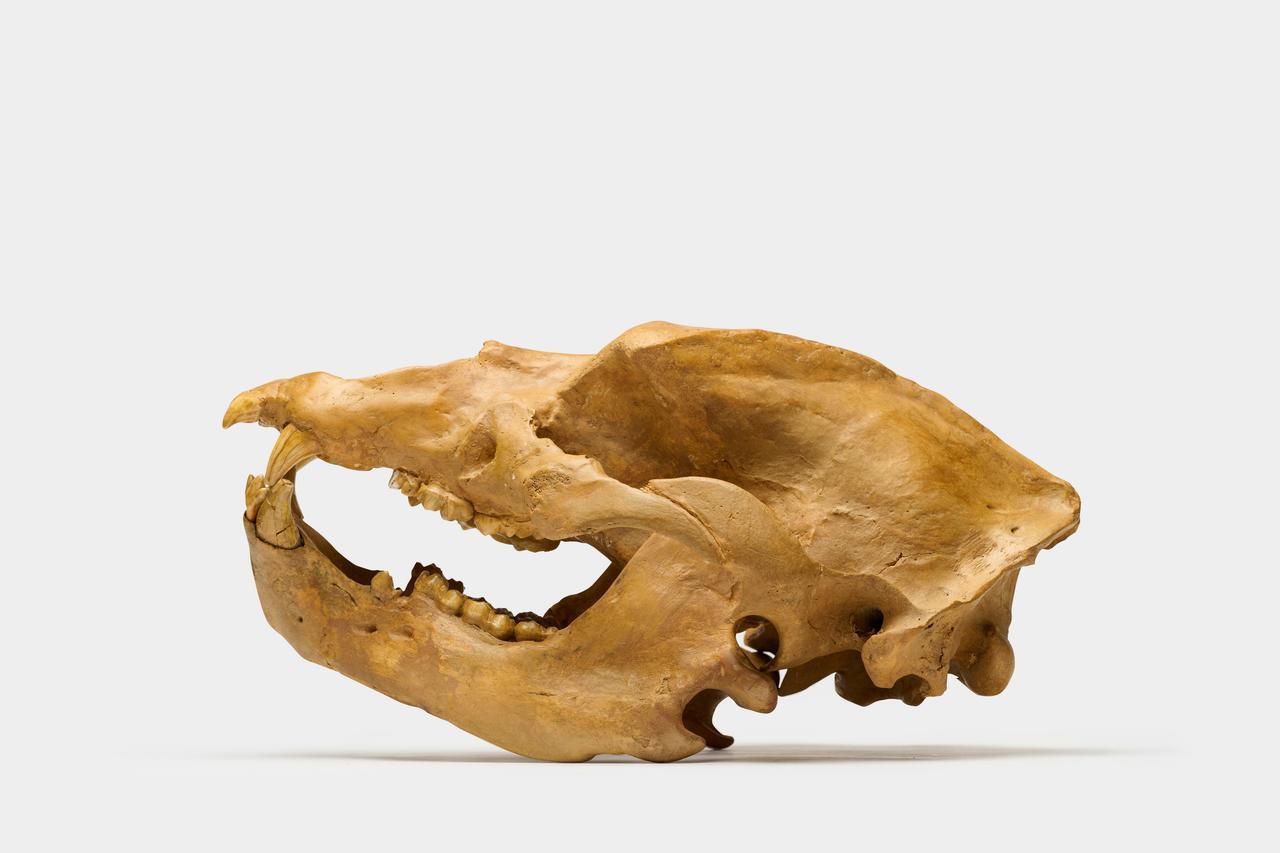
Fossil Shark Tooth on Natural Matrix - Fossil tooth - Lamna aschersoni - 8.4 cm - 13.3 cm (No reserve price)


02
days
03
hours
33
minutes
17
seconds

 | €2 | |
|---|---|---|
 | €1 |
Catawiki Buyer Protection
Your payment’s safe with us until you receive your object.View details
Trustpilot 4.4 | 145662 reviews
Rated Excellent on Trustpilot.
A natural Lamna aschersoni shark tooth fossil on natural matrix from Morocco, dating to the Cretaceous, has a partially embedded root that has been repaired.
AI-assisted summary
Description from the seller
Fossil Shark Tooth on Natural Matrix – Well-Preserved Crown – Morocco – 8.2 cm
An attractive fossil shark tooth preserved in its natural sedimentary matrix, originating from the renowned phosphate deposits of Morocco, a region particularly rich in prehistoric marine vertebrate fossils.
This specimen displays a prominent, elongated triangular crown with a beautifully defined pointed tip and smooth, glossy enamel. Its impressive shape and excellent preservation make it a fascinating example of the dentition of ancient predatory sharks.
The crown is particularly striking, displaying warm honey-brown, golden amber and caramel tones, with delicate longitudinal striations extending from the base toward the tip. Its smooth surface contrasts attractively with the rough texture of the surrounding sedimentary rock.
One of the most appealing features is the clearly exposed tooth crown, which extends diagonally across the matrix, allowing its complete pointed profile to be appreciated. The sharp, well-defined tip is especially prominent, emphasizing the tooth's characteristic predatory morphology.
The robust root remains partially embedded in the original matrix and has been carefully repaired to restore its structure and maintain the specimen's overall appearance. The contrast between the lighter, textured root and the polished enamel highlights the different anatomical components of the tooth.
A small additional tooth cusp is also visible near the main specimen, adding further interest to the fossil composition.
The surrounding matrix retains its natural sandy beige and earthy brown coloration, with numerous small fossil fragments and sedimentary inclusions. Its irregular shape and coarse surface create an attractive geological setting for the exposed tooth.
Fossil shark teeth preserved in their original matrix offer an interesting perspective on the geological environment in which these ancient marine predators lived and were eventually fossilized.
With its well-preserved enamel, clearly visible pointed crown and substantial natural matrix, this specimen makes an attractive addition to a paleontological collection, marine fossil display or Wunderkammer.
Tooth dimensions: 8.2 × 5.1 × 1.6 cm
Seller's Story
Shipping Restrictions and Right to Cancel the Sale
We reserve the right to cancel a sale if the purchased item cannot be legally exported, imported, or shipped to the destination country. This includes, but is not limited to, items subject to regulatory restrictions (such as materials protected under CITES), customs limitations, local prohibitions, or logistical constraints related to the weight, size, or nature of the parcel when carriers do not accept shipments to specific geographic areas.
It is the buyer’s responsibility to verify any applicable restrictions in their country before placing a bid. Should shipping prove impossible for legal or operational reasons beyond our control, the order will be cancelled and any payment made will be refunded in accordance with the platform’s procedures.
About Latiaxis S.r.l.
Latiaxis was founded in Italy by Bruno Briano and family, combining over 40 years of passion and expertise in natural and ethnographic science collections. The diverse offerings include decorative shells, natural stones, museum-grade fossils, taxidermy, and tropical corals to serve a wide audience, from museums and private collectors to enthusiasts and interior designers.
Our services extend beyond sales, providing consulting, evaluation, and tailored delivery, all while adhering to international trade laws for endangered species. We are fully licensed and authorized to source and offer all the specimens in our collection and for protected species, we strictly comply with the Convention on International Trade in Endangered Species of Wild Fauna and Flora (CITES). CITES is an international agreement between governments, designed to ensure that trade in specimens of wild animals and plants does not threaten their survival. By adhering to these stringent regulations, especially within European countries, we demonstrate our commitment to sustainability and ethical practices, ensuring the responsible sourcing and sale of all items. This dedication provides our clients with the assurance that they are acquiring specimens through legal, environmentally conscious, and trustworthy channels.
Details
Specimen
Fossil Shark Tooth on Natural Matrix
Scientific name
Lamna aschersoni
Country of origin
Morocco
Geological period
Cretaceous (145 - 66 million years)
Condition
Natural
Weight
500 g
Height
8.4 cm
Width
13.3 cm
Depth
6.1 cm
Authenticity
Original/official
Sold by