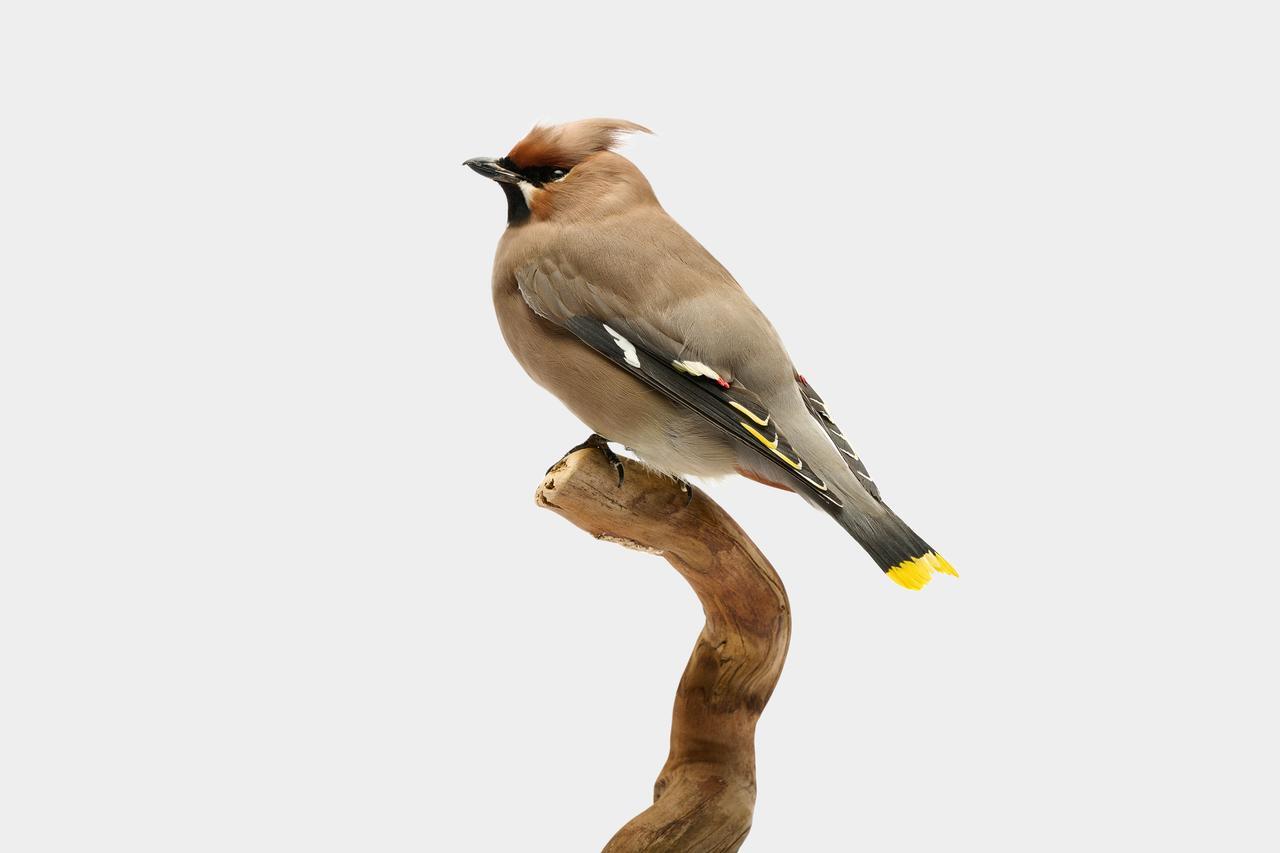
Pearl Nautilus in cross-section Taxidermy full body mount - Nautilus pompilius - 12 cm - 9 cm - 6.2 cm - 1


01
day
04
hours
27
minutes
11
seconds
Current bid
€ 3
Reserve price not met

Expert
Selected by Jonas Rathaj
Has worked with taxidermy since childhood and gained retailer experience.
Estimate € 150 - € 200
 | €3 | |
|---|---|---|
| €2 |
Catawiki Buyer Protection
Your payment’s safe with us until you receive your object.View details
Trustpilot 4.4 | 145304 reviews
Rated Excellent on Trustpilot.
A pearly, sectioned Nautilus pompilius specimen from the Philippines, measuring 12 × 9 × 6.2 cm, with its chambers visible.
AI-assisted summary
Description from the seller
Nautilus is a genus of cephalopods, a class of mollusks that also includes octopuses, belonging to the family Nautilidae. They are considered true "living fossils", a term now obsolete used to define particular species of animals or plants still alive today but that present morpho-anatomical and structural characteristics typical of ancient organisms from millions of years ago. The animal was considered extinct following fossil discoveries dating to the Paleozoic, and its discovery left many paleontologists and zoologists astonished. In fact, it was observed alive for the first time only in 1829, although in reality its shell was occasionally found by fishermen in the East Indies and, due to its beauty and rarity, it had already been widely used in the 17th century to make jewelry. Nautiluses are typically found in shallow waters in tropical seas, mainly in the Indo-Pacific, and feed on crustaceans and mollusks. The Nautilus is equipped with a large spiral shell that can reach over 20 centimeters in diameter. The opening of the shell is positioned at the top, and from it one can observe a soft body with large eyes and fleshy tentacles with a horn-like beak at the center, very similar to that of octopuses. Most of these tentacles are attached at the base to a kind of "sheath" from which the Nautilus can retract them in case of danger. The shell has a smooth and pearly surface; moreover it is thin and smooth, and its main characteristic is the logarithmic spiral configuration. To make this large structure even more incredible, in some species it is made of mother-of-pearl, and it is composed of a series of chambers connected by a canal that links them. Through it passes a nitrogenated gas that aids the animal’s buoyancy by means of appropriate pressure adjustments. Very beautiful lot: Nautilus pompilius cut open, pearly, the chambers are perfectly visible showing the splendid architecture of this beautiful specimen. The measurements refer to the non-cut Nautilus. Stand not included. A necessary clarification. The final image of our photographic gallery is obtained with the help of AI software. The aim is purely aesthetic but also exemplary: it shows the actual object inside an artificially generated scenography. The objective is to show how precious the items in the auction are and how well they look in different environments, all highly refined. Thank you for your attention. Happy bidding.
Seller's Story
We deal with naturalistic objects in
Prevalence coming from the fascinating
marine world, but by enthusiasts and
Lovers of enchanting facets.
Of life, we also propose minerals and.
metaphysical stones, taxidermies, fossils, and
decorative objects
A continuous journey through time and...
Space for the search for testimonies.
Precious.
Passion is the fire that fuels.
Our choices: collaborations with the
Major importers from exotic countries.
but also travels to discover sought-after destinations
objects
Ongoing research of new developments and
Our increasingly refined aesthetic.
main objectives
Just observe like a collector.
He manages the objects in his display case.
As soon as he/she/they take(s) one in hand, the
His or her inspired gaze seems to pierce through.
The object is to lose oneself in its distances.
Here lies the magical side of the collector.
Walter Benjamin
Translated by Google TranslateNautilus is a genus of cephalopods, a class of mollusks that also includes octopuses, belonging to the family Nautilidae. They are considered true "living fossils", a term now obsolete used to define particular species of animals or plants still alive today but that present morpho-anatomical and structural characteristics typical of ancient organisms from millions of years ago. The animal was considered extinct following fossil discoveries dating to the Paleozoic, and its discovery left many paleontologists and zoologists astonished. In fact, it was observed alive for the first time only in 1829, although in reality its shell was occasionally found by fishermen in the East Indies and, due to its beauty and rarity, it had already been widely used in the 17th century to make jewelry. Nautiluses are typically found in shallow waters in tropical seas, mainly in the Indo-Pacific, and feed on crustaceans and mollusks. The Nautilus is equipped with a large spiral shell that can reach over 20 centimeters in diameter. The opening of the shell is positioned at the top, and from it one can observe a soft body with large eyes and fleshy tentacles with a horn-like beak at the center, very similar to that of octopuses. Most of these tentacles are attached at the base to a kind of "sheath" from which the Nautilus can retract them in case of danger. The shell has a smooth and pearly surface; moreover it is thin and smooth, and its main characteristic is the logarithmic spiral configuration. To make this large structure even more incredible, in some species it is made of mother-of-pearl, and it is composed of a series of chambers connected by a canal that links them. Through it passes a nitrogenated gas that aids the animal’s buoyancy by means of appropriate pressure adjustments. Very beautiful lot: Nautilus pompilius cut open, pearly, the chambers are perfectly visible showing the splendid architecture of this beautiful specimen. The measurements refer to the non-cut Nautilus. Stand not included. A necessary clarification. The final image of our photographic gallery is obtained with the help of AI software. The aim is purely aesthetic but also exemplary: it shows the actual object inside an artificially generated scenography. The objective is to show how precious the items in the auction are and how well they look in different environments, all highly refined. Thank you for your attention. Happy bidding.
Seller's Story
We deal with naturalistic objects in
Prevalence coming from the fascinating
marine world, but by enthusiasts and
Lovers of enchanting facets.
Of life, we also propose minerals and.
metaphysical stones, taxidermies, fossils, and
decorative objects
A continuous journey through time and...
Space for the search for testimonies.
Precious.
Passion is the fire that fuels.
Our choices: collaborations with the
Major importers from exotic countries.
but also travels to discover sought-after destinations
objects
Ongoing research of new developments and
Our increasingly refined aesthetic.
main objectives
Just observe like a collector.
He manages the objects in his display case.
As soon as he/she/they take(s) one in hand, the
His or her inspired gaze seems to pierce through.
The object is to lose oneself in its distances.
Here lies the magical side of the collector.
Walter Benjamin
Translated by Google TranslateDetails
Era
After 2000
Specimen
Pearl Nautilus in cross-section
Scientific name
Nautilus pompilius
Number of objects
1
Country of origin
Philippines
Condition
Good condition
Year
2016
Weight
800 g
Height
12 cm
Width
9 cm
Depth
6.2 cm