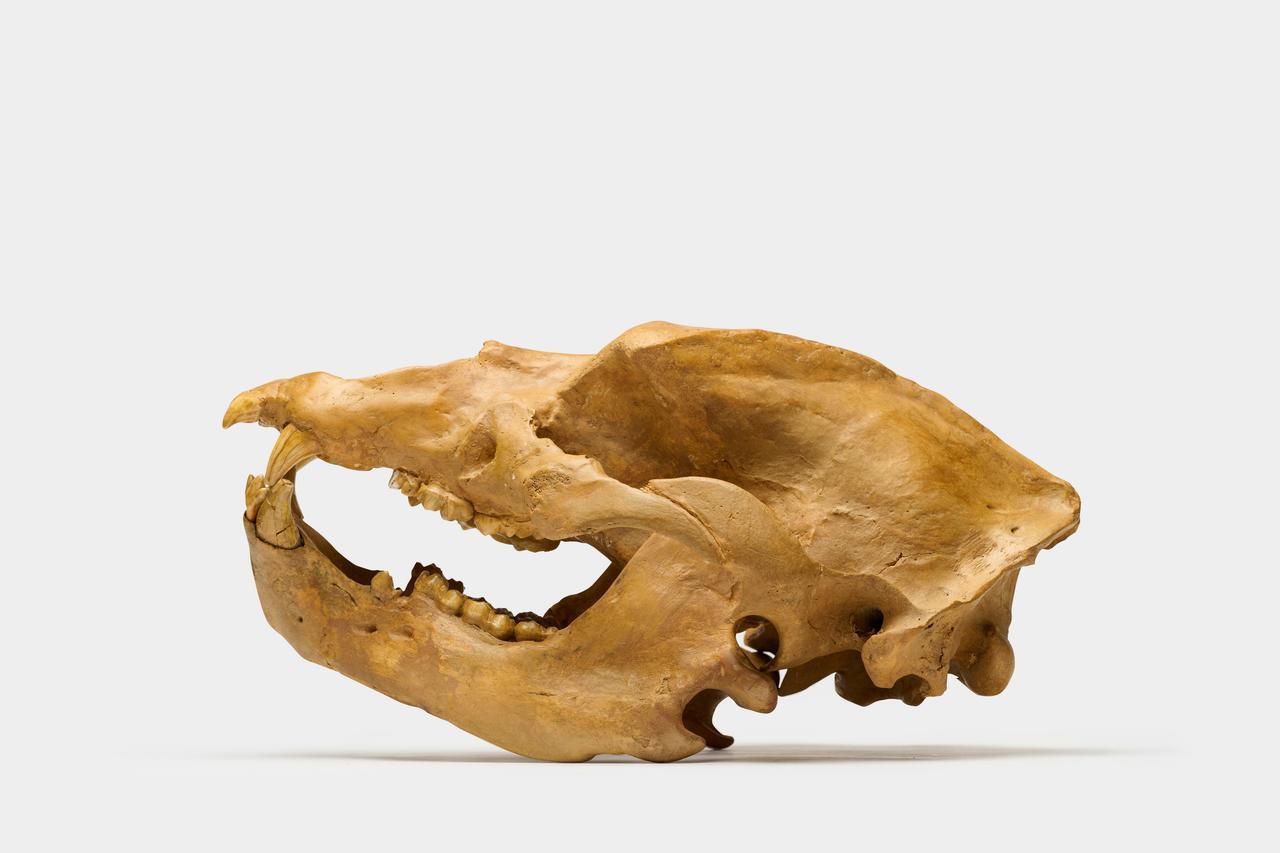
Fossilised animal - Saurichthyiformes - 17 cm


02
days
21
hours
30
minutes
20
seconds

No bids placed
Catawiki Buyer Protection
Your payment’s safe with us until you receive your object.View details
Trustpilot 4.4 | 144940 reviews
Rated Excellent on Trustpilot.
This natural Saurichthyiformes fish fossil from China dates to the Triassic and is preserved in sedimentary matrix with visible skeletal features; it measures 17 cm high and 1 cm deep.
AI-assisted summary
Description from the seller
An impressive fossil fish attributed to the order Saurichthyiformes, an extinct group of predatory ray-finned fishes particularly widespread during the Triassic Period.
Saurichthyiform fishes are characterized by their elongated, streamlined bodies, distinctive pointed snouts, and posteriorly positioned dorsal and anal fins. These specialized anatomical features reflect adaptations for active aquatic predation.
The specimen displays a recognizable elongated body, slender rostrum, skeletal structures, and preserved fin and tail elements, illustrating the distinctive morphology of these prehistoric fishes.
Saurichthyiform fossils provide valuable insights into the evolution of early ray-finned fishes and the diversity of aquatic predators during the Mesozoic Era.
Condition: Preserved in a sedimentary matrix with visible skeletal features. The extent of preparation or restoration has not been established.
Details
Scientific name
Saurichthyiformes
Country of origin
China
Geological period
Triassic (251.9 - 201.3 million years)
Condition
Natural
Height
17 cm
Depth
1 cm
Authenticity
Original/official
Sold by