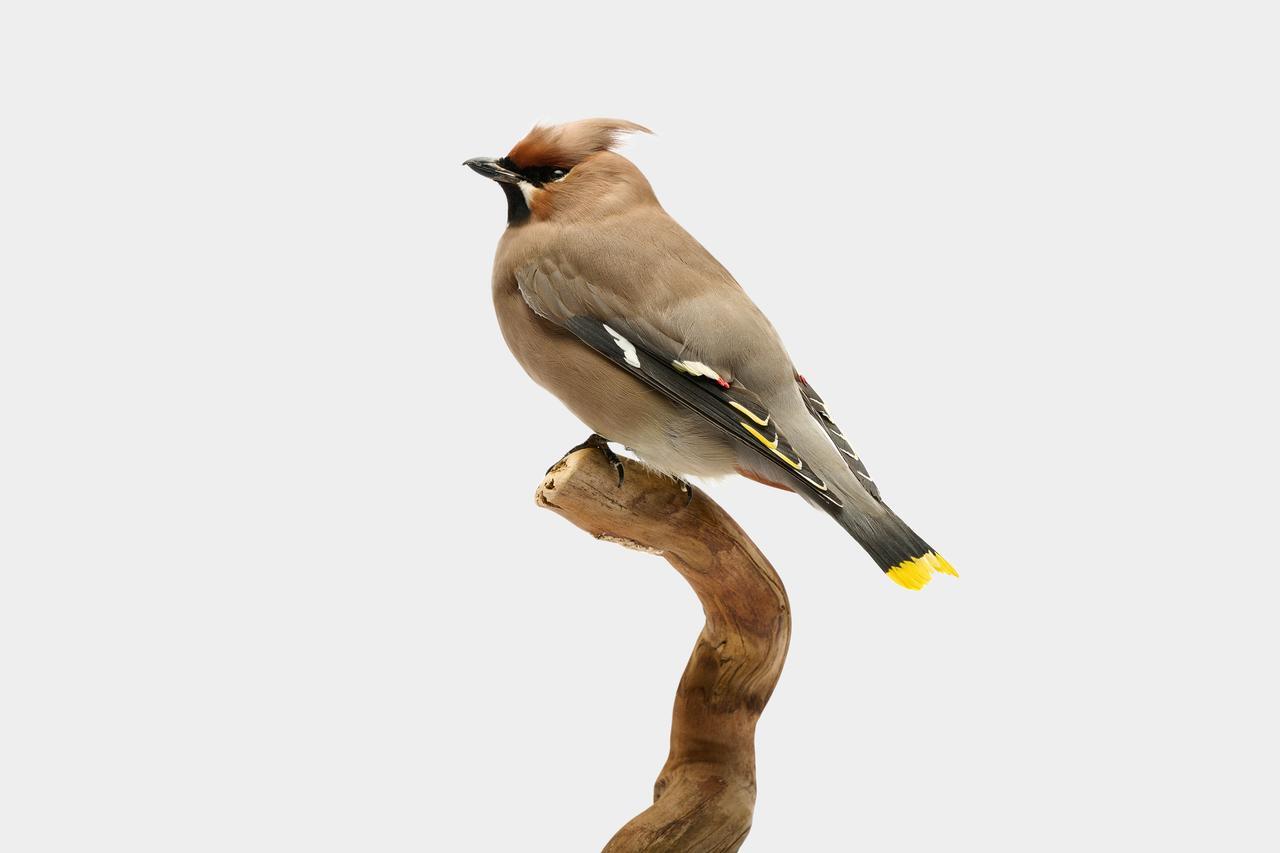
Bat Taxidermy full body mount - Cynopterus sphinx - 26 cm - 14 cm - 14 cm - Non-CITES species - 1


01
day
05
hours
16
minutes
22
seconds
Current bid
€ 1
Reserve price not met

Expert
Selected by Jonas Rathaj
Has worked with taxidermy since childhood and gained retailer experience.
Estimate € 180 - € 220
 | €1 |
|---|
Catawiki Buyer Protection
Your payment’s safe with us until you receive your object.View details
Trustpilot 4.4 | 145304 reviews
Rated Excellent on Trustpilot.
A bat specimen, Cynopterus sphinx, measures 26 × 14 × 14 cm.
AI-assisted summary
Description from the seller
This species is especially notable in taxidermy for its striking appearance, exotic origin, and relatively scarce availability in Europe. Split into skeletal and original display.
The Cynopterus sphinx, also known as the short-nosed fruit bat or greater short-nosed fruit bat, is a small flying fox from South and Southeast Asia. This bat has a relatively long snout and fine, silky fur, ranging from brown to orange on the dorsal side with a lighter underside. Adults have a wingspan of up to 48 cm and are characterized by white-edged ears and wing bones.
Habitat
Cynopterus sphinx lives in tropical forests, grasslands, mangroves, and agricultural areas from Pakistan to Vietnam. They often roost high in palm trees or make tent-like shelters from palm fronds or leaves of climbing plants when palms are absent.
Noteworthy in Taxidermy
Seller's Story
Welcome to Wildernis Atelier, the specialist in taxidermy, home accessories and nature art. We offer a unique collection of artistic items and taxidermy, carefully treated by experienced professionals. Wildernis Atelier offers only top quality and craftsmanship through different portals, such as Catawiki, our webshop and physical stores throughout The Netherlands.
Wildernis Atelier - Where Nature, Meets Design
Details
Era
After 2000
Specimen
Bat
Scientific name
Cynopterus sphinx
Number of objects
1
Country of origin
Asia
CITES relevancy
Non-CITES species
Condition
Good condition
Year
2026
Weight
1000 g
Height
26 cm
Width
14 cm
Depth
14 cm
Sold by
Disclaimer
Bidders need to be aware that several countries do not allow importing objects derived from endangered and other protected species, even if a certificate of origin is provided. By bidding, you confirm that you have familiarised yourself with customs laws and regulations of your own country.
Bidders need to be aware that several countries do not allow importing objects derived from endangered and other protected species, even if a certificate of origin is provided. By bidding, you confirm that you have familiarised yourself with customs laws and regulations of your own country.