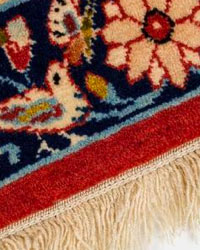
Superbe tapis Hatchlou ancien, datant des environs de 1920/30, collector - Rug - 150 cm - 120 cm


04
days
10
hours
49
minutes
49
seconds
Current bid
€ 50
Reserve price not met

Expert
Selected by Richard Ebbers
Certified appraiser at Federation TMV with 30 years' professional antiques experience.
Estimate € 1,000 - € 1,300
 | €50 |
|---|
Catawiki Buyer Protection
Your payment’s safe with us until you receive your object.View details
Trustpilot 4.4 | 146130 reviews
Rated Excellent on Trustpilot.
This 120 × 150 cm Hatchlou rug, made of wool on wool, originates from Turkmenistan and dates from around 1920–30.
AI-assisted summary
Description from the seller
Beautiful antique Hatchlou rug, dating from around 1920–30, a collector’s piece featuring an exceptionally rich and striking traditional geometric design.
Bokhara family. The rug is adorned with a beautiful composition of geometric motifs, diamonds and stylized elements, in a warm palette dominated by reds, browns, ecru and dark blue. The overall effect reflects the decorative character and craftsmanship of antique nomadic rugs.
Measuring 120 × 150 cm, it will fit easily into a period interior or a more contemporary setting, adding a warm, authentic touch. It would also make a very beautiful wall hanging.
Period: circa 1920–30
Origin: Hatchlou
Dimensions: 120 × 150 cm
Condition: Good overall condition, with signs of age and wear consistent with its history.
A distinctive antique rug, ideal for lovers of Oriental rugs and authentic pieces.
The Hatchlou rug (also known as Hatchlu or Hatschlu) is a unique traditional Oriental rug belonging to the Enssi (or Engsi) family. Historically woven by nomadic Turkmen tribes in Central Asia, it was originally used as a doorway hanging at the entrance to yurts.
Its defining features include highly symbolic designs and sturdy craftsmanship: The Central Cross and Quadrants. The Hatchlou’s most famous and unmistakable feature is its central field, divided into four symmetrical quadrants by a broad vertical and horizontal band forming a cross. Each quadrant is filled with distinctive repeating motifs: “Y” or “candelabra” motifs: Rows of small, stylized geometric designs typically fill all four panels. Rich symbolism: Depending on the interpretation, the cross and quadrants symbolize the structure of the yurt (the security of the home) or represent the four inner gardens of Islamic paradise. 2. Traditional Colors. Authentic examples are distinguished by a restrained yet deep palette, dominated by shades of red (brick red, burgundy, rust, wine red), complemented by touches of brown, navy blue, black or beige. Historically, the pigments came from natural, plant-based dyes. Materials and Texture. 100% wool (the most traditional): Traditionally, the pile, warp and weft are made entirely from hand-spun pure sheep’s wool. The pile is sheared to a moderate height (neither too short nor too long). Condition: The designs and colors are in good overall condition (beautiful patina). The fringe shows normal wear consistent with age. A small repair at the back of the fringe.
Details
Era
1900-2000
Number of objects
1
Length
150 cm
Width
120 cm
Designer/artist/maker
Superbe tapis Hatchlou ancien, datant des environs de 1920/30, collector
Material
Wool on wool
Country of origin
Turkmenistan
Condition
Overall in good condition
Professionally cleaned
No
Manufacturing period
Early 20th century
Sold by