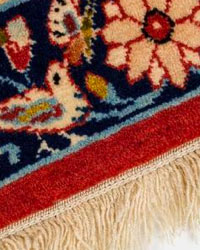
Tovaglia rettangolare x 12 Ricamo a mano punto raso 100% Puro lino Bisso - Tablecloth - 250 cm - 150 cm


05
days
08
hours
32
minutes
01
second

 | €1 |
|---|
Catawiki Buyer Protection
Your payment’s safe with us until you receive your object.View details
Trustpilot 4.4 | 145776 reviews
Rated Excellent on Trustpilot.
Description from the seller
1960 Rectangular tablecloth with satin stitch embroidery, weaving 100% linen Exrafine with Venetian floral embroidery
This wonderful tablecloth was made in an exceptional way with multiple embroidery techniques and has never been used, to preserve it in every way.
Description: The tablecloth is accompanied by a luncheon set, also these with embroidery.
The measurements of the tablecloth are Length 10x 250 with a width of 12 napkins 40 x 40
the tablecloth may show signs of slight natural yellowing.
Deliveries of the products are entrusted only to top couriers such as UPS, DHL and BRT, with guaranteed and insured delivery. The price lists are publicly online.
The antique stitch is a counting-thread embroidery technique to be executed on fabric with a visible and regular weave. The weaving is regular when the weft and warp have the same count, i.e. in 1 cm2 of fabric there are the same number of threads, both horizontally and vertically. A 10x10 linen counts ten threads per cm² (very coarse weave), a 22x22 linen (fine weave) contains twenty-two threads per cm2. For the realization of the antique stitch technique it is appropriate to choose a warp that can range from 11x11 to 15x15 threads, or use floss, but also flax or jute; obviously the choice depends on the artistic effect desired. The antique stitch decoration, very linear and sober, is based on alternating gaps (such as the slits or ajours) and filled areas in the form of geometric stitches of real point, sometimes a bit rigid but always very graceful and elegant, to which relief stitches are added such as the steam stitch or the curly stitch, and finishing stitches such as the grass stitch, frame, cord and others. Consequently many stitches are used, each with a particular function (fill, transparency, relief, definition of shapes).
Linen is the oldest and most fascinating among textile fibers, it was widely cultivated by Egyptians, Babylonians, Phoenicians and other peoples of the Middle East. The production, processing and uses of linen are extensively documented in tombs, pyramids, and on other monuments among the Egyptians; the white linen symbolized divine purity. Even today the cultivation, harvesting and processing techniques are continually evolving, making linen a modern and unique fabric.
Linen is grown both for seed production and to obtain a very precious fiber, soft, flexible and resistant. As a natural fiber, linen has hypoallergenic characteristics and promotes the well-being of the body. Given its soft properties, immediate absorption and evaporation of liquids, and faster elimination of heat and moisture,
NOTE**
Objects up for auction on Catawiki are subject to binding conditions for every bid. If a buyer does not make payment within three days from the end of the auction (or immediately via 'Buy Now'), Catawiki may take action on their account. Specifically, it may suspend the ability to bid and purchase until payments due are settled. Additionally, non-payment may result in the sale being canceled; in some cases, the buyer may still be required to pay the Buyer Protection fee. Until the Buyer Account suspension.
Please note that if a buyer wins multiple lots, they will be required to pay the shipping for each lot separately to ensure the integrity of the material sent.
Seller's Story
Designers and textile-loving artisans present their creations: artworks, jewelry, furnishings, vintage clothing, experiments and other forms of textile expression. They also briefly share something about themselves and their work. A harmonious overview that brings color to a timeless moment.
Translated by Google Translate1960 Rectangular tablecloth with satin stitch embroidery, weaving 100% linen Exrafine with Venetian floral embroidery
This wonderful tablecloth was made in an exceptional way with multiple embroidery techniques and has never been used, to preserve it in every way.
Description: The tablecloth is accompanied by a luncheon set, also these with embroidery.
The measurements of the tablecloth are Length 10x 250 with a width of 12 napkins 40 x 40
the tablecloth may show signs of slight natural yellowing.
Deliveries of the products are entrusted only to top couriers such as UPS, DHL and BRT, with guaranteed and insured delivery. The price lists are publicly online.
The antique stitch is a counting-thread embroidery technique to be executed on fabric with a visible and regular weave. The weaving is regular when the weft and warp have the same count, i.e. in 1 cm2 of fabric there are the same number of threads, both horizontally and vertically. A 10x10 linen counts ten threads per cm² (very coarse weave), a 22x22 linen (fine weave) contains twenty-two threads per cm2. For the realization of the antique stitch technique it is appropriate to choose a warp that can range from 11x11 to 15x15 threads, or use floss, but also flax or jute; obviously the choice depends on the artistic effect desired. The antique stitch decoration, very linear and sober, is based on alternating gaps (such as the slits or ajours) and filled areas in the form of geometric stitches of real point, sometimes a bit rigid but always very graceful and elegant, to which relief stitches are added such as the steam stitch or the curly stitch, and finishing stitches such as the grass stitch, frame, cord and others. Consequently many stitches are used, each with a particular function (fill, transparency, relief, definition of shapes).
Linen is the oldest and most fascinating among textile fibers, it was widely cultivated by Egyptians, Babylonians, Phoenicians and other peoples of the Middle East. The production, processing and uses of linen are extensively documented in tombs, pyramids, and on other monuments among the Egyptians; the white linen symbolized divine purity. Even today the cultivation, harvesting and processing techniques are continually evolving, making linen a modern and unique fabric.
Linen is grown both for seed production and to obtain a very precious fiber, soft, flexible and resistant. As a natural fiber, linen has hypoallergenic characteristics and promotes the well-being of the body. Given its soft properties, immediate absorption and evaporation of liquids, and faster elimination of heat and moisture,
NOTE**
Objects up for auction on Catawiki are subject to binding conditions for every bid. If a buyer does not make payment within three days from the end of the auction (or immediately via 'Buy Now'), Catawiki may take action on their account. Specifically, it may suspend the ability to bid and purchase until payments due are settled. Additionally, non-payment may result in the sale being canceled; in some cases, the buyer may still be required to pay the Buyer Protection fee. Until the Buyer Account suspension.
Please note that if a buyer wins multiple lots, they will be required to pay the shipping for each lot separately to ensure the integrity of the material sent.
Seller's Story
Designers and textile-loving artisans present their creations: artworks, jewelry, furnishings, vintage clothing, experiments and other forms of textile expression. They also briefly share something about themselves and their work. A harmonious overview that brings color to a timeless moment.
Translated by Google TranslateDetails
Era
1900-2000
Length
250 cm
Width
150 cm
Material
Linen
Manufacturer/brand
Tovaglia rettangolare x 12 Ricamo a mano punto raso 100% Puro lino Bisso
Country of origin
Italy
Condition
As new - unused
Estimated period
1950-1960
Sold by