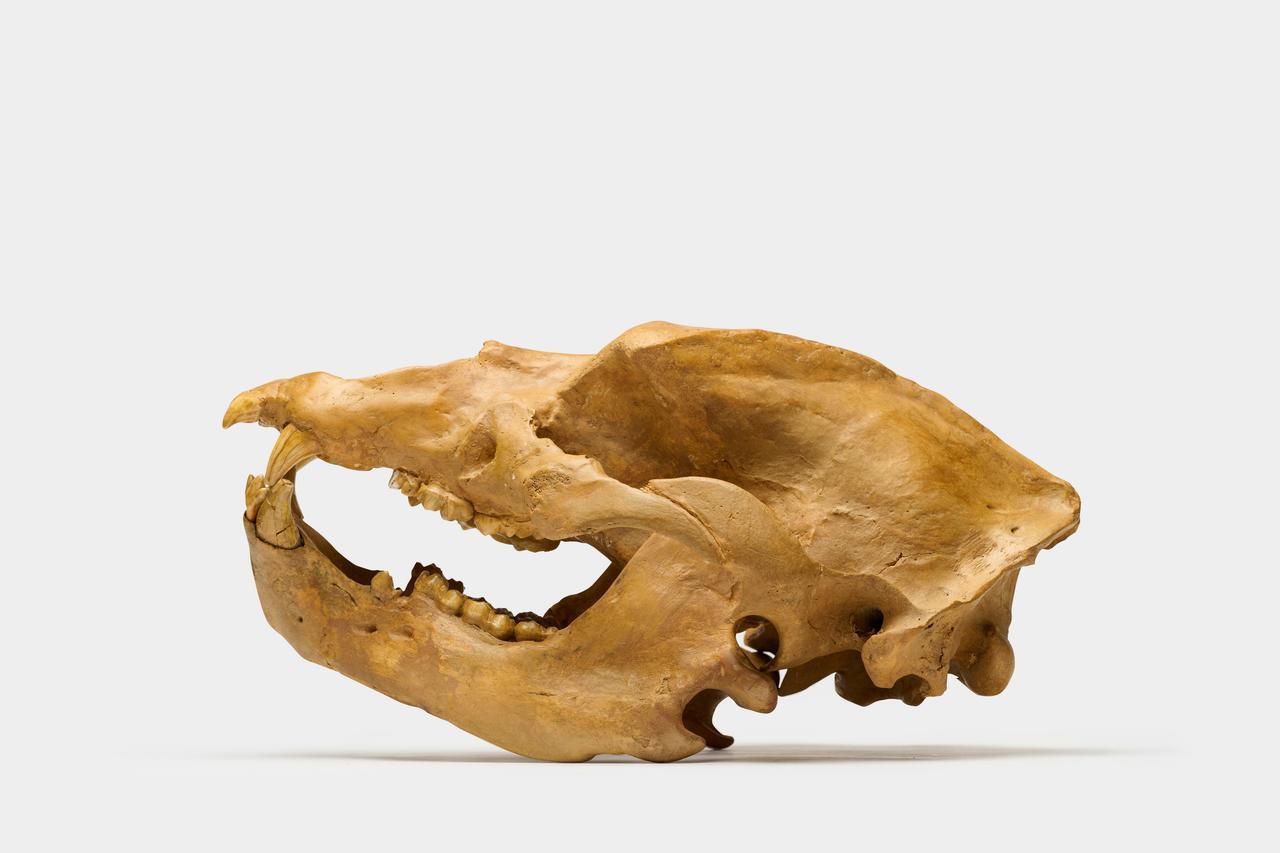
Mammoth of the Steppe - Fossil molar - Mammuthus Meridionalis - 7.5 cm - 14 cm


01
day
19
hours
05
minutes
31
seconds

 | €51 | |
|---|---|---|
 | €4 | |
| €3 |
Catawiki Buyer Protection
Your payment’s safe with us until you receive your object.View details
Trustpilot 4.4 | 146393 reviews
Rated Excellent on Trustpilot.
A natural Mammuthus Meridionalis molar from the Pleistocene, Quaternary period, measuring 7.5 cm high and 14 cm wide, from Hungary.
AI-assisted summary
Description from the seller
In this lot, a large mammoth molar from the species Mammuthus meridionalis, commonly known as the Southern Mammoth, is being auctioned.
Perfectly preserved, with crown ridges on the wear surface, smoothed by the animal’s use.
It is a spectacular piece—“impressive to hold in your hands.”
It comes from Pest County in Hungary, in the Ráckeve area, and dates to the Pleistocene, between 2.5 and 0.6 million years ago. More specifically, material found in this area is around 600,000 to 1,000,000 years old.
M. meridionalis is one of the earliest mammoth species. Standing nearly 4 m tall at the shoulder and estimated to have weighed 10 to 11 tonnes, it was one of the largest proboscideans ever to have lived.
Its molars had low crowns and between 10 and 14 thick enamel ridges, adapted to a forest diet of leaves and branches.
The latest records of this species date to around 125,000 years ago.
“This piece comes with an L-shaped acrylic display stand as a gift, and an additional fossil is also included as a gift.”
Seller's Story
Passionate about paleontology since childhood, a 'conservative' collector.
For me, working with this material is a dream, treated with all the respect and love.
It is well known to all of us that the feeling of having a fossil in our hands is something very special.
Honestly, I really enjoy sharing with other enthusiasts this treasure that is fossils, a legacy of our planet's natural history.
Translated by Google TranslateIn this lot, a large mammoth molar from the species Mammuthus meridionalis, commonly known as the Southern Mammoth, is being auctioned.
Perfectly preserved, with crown ridges on the wear surface, smoothed by the animal’s use.
It is a spectacular piece—“impressive to hold in your hands.”
It comes from Pest County in Hungary, in the Ráckeve area, and dates to the Pleistocene, between 2.5 and 0.6 million years ago. More specifically, material found in this area is around 600,000 to 1,000,000 years old.
M. meridionalis is one of the earliest mammoth species. Standing nearly 4 m tall at the shoulder and estimated to have weighed 10 to 11 tonnes, it was one of the largest proboscideans ever to have lived.
Its molars had low crowns and between 10 and 14 thick enamel ridges, adapted to a forest diet of leaves and branches.
The latest records of this species date to around 125,000 years ago.
“This piece comes with an L-shaped acrylic display stand as a gift, and an additional fossil is also included as a gift.”
Seller's Story
Passionate about paleontology since childhood, a 'conservative' collector.
For me, working with this material is a dream, treated with all the respect and love.
It is well known to all of us that the feeling of having a fossil in our hands is something very special.
Honestly, I really enjoy sharing with other enthusiasts this treasure that is fossils, a legacy of our planet's natural history.
Translated by Google TranslateDetails
Number of objects
1
Specimen
Mammoth of the Steppe
Scientific name
Mammuthus Meridionalis
Country of origin
Hungary
Geological period
Quaternary, Pleistocene (2.58 - 0.0117 million years)
Condition
Natural
Height
7.5 cm
Width
14 cm
Authenticity
Original/official
Sold by