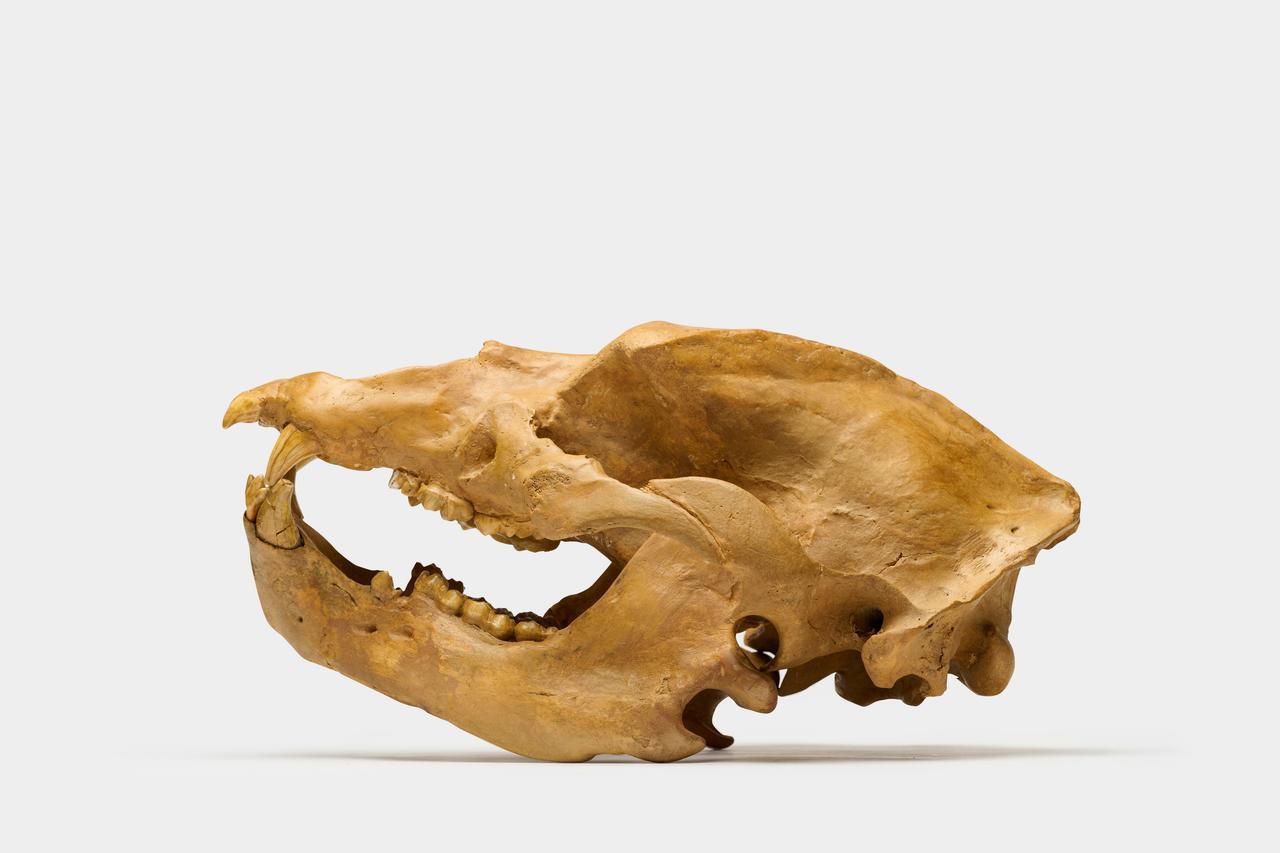
Mosasaur Hainosaurus boubker Tylosaurus - Fossilised tusk - Hainosaurus boubker (No reserve price)


00
days
07
hours
36
minutes
07
seconds

 | €2 |
|---|
Catawiki Buyer Protection
Your payment’s safe with us until you receive your object.View details
Trustpilot 4.4 | 146393 reviews
Rated Excellent on Trustpilot.
Natural 7.1 cm Hainosaurus boubker mosasaur specimen from Morocco, dating to the Upper Cretaceous and supplied with a certificate.
AI-assisted summary
Description from the seller
*Certificate included*
Scientific name: Hainosaurus boubker
Location: Oued Zem, Morocco
Age: Cretaceous, 65 million years old
Overall size: 7.1 cm
REF: 5089
Description:
Hainosaurus boubker is a recently discovered species of mosasaur, an extinct marine reptile that lived during the Late Cretaceous. This find is particularly significant because it represents the youngest species in the Tylosaurinae group and the first record from North Africa1.
Key Features:
Unique Teeth: It has blade-shaped teeth that are laterally compressed and surrounded by enamel facets.
Origin: Discovered in Layer III of the Sidi Chennane phosphate quarry near Oued Zem, Morocco.
Significance: This discovery adds a new dimension to our understanding of mosasaur biodiversity in the Late Cretaceous.
This find marks a major advance in paleontology and provides a more complete picture of the marine predators of the past.
Seller's Story
Travel in Time, Your Collection of Unique Fossils
Welcome to our fossil shop! Explore our fascinating catalogue of prehistoric remains and discover the history encapsulated in each piece. From majestic dinosaurs to ancient marine invertebrates, our collection will transport you to forgotten times. Find the perfect piece for your collection or gift a piece of natural history. Start your journey back in time today!
Translated by Google Translate*Certificate included*
Scientific name: Hainosaurus boubker
Location: Oued Zem, Morocco
Age: Cretaceous, 65 million years old
Overall size: 7.1 cm
REF: 5089
Description:
Hainosaurus boubker is a recently discovered species of mosasaur, an extinct marine reptile that lived during the Late Cretaceous. This find is particularly significant because it represents the youngest species in the Tylosaurinae group and the first record from North Africa1.
Key Features:
Unique Teeth: It has blade-shaped teeth that are laterally compressed and surrounded by enamel facets.
Origin: Discovered in Layer III of the Sidi Chennane phosphate quarry near Oued Zem, Morocco.
Significance: This discovery adds a new dimension to our understanding of mosasaur biodiversity in the Late Cretaceous.
This find marks a major advance in paleontology and provides a more complete picture of the marine predators of the past.
Seller's Story
Travel in Time, Your Collection of Unique Fossils
Welcome to our fossil shop! Explore our fascinating catalogue of prehistoric remains and discover the history encapsulated in each piece. From majestic dinosaurs to ancient marine invertebrates, our collection will transport you to forgotten times. Find the perfect piece for your collection or gift a piece of natural history. Start your journey back in time today!
Translated by Google TranslateDetails
Specimen
Mosasaur Hainosaurus boubker Tylosaurus
Scientific name
Hainosaurus boubker
Country of origin
Morocco
Geological period
Cretaceous, Upper (100.5 - 66 million years)
Condition
Natural
Authenticity
Original/official
Sold by