Palladio - First Book of Architecture - 1683


10
days
03
hours
58
minutes
53
seconds
Starting bid
€ 1
No reserve price

Expert
Selected by Volker Riepenhausen
Specialist in travel literature and pre-1600 rare prints with 28 years experience.
Estimate € 850 - € 1,000
No bids placed
Catawiki Buyer Protection
Your payment’s safe with us until you receive your object.View details
Trustpilot 4.4 | 121899 reviews
Rated Excellent on Trustpilot.
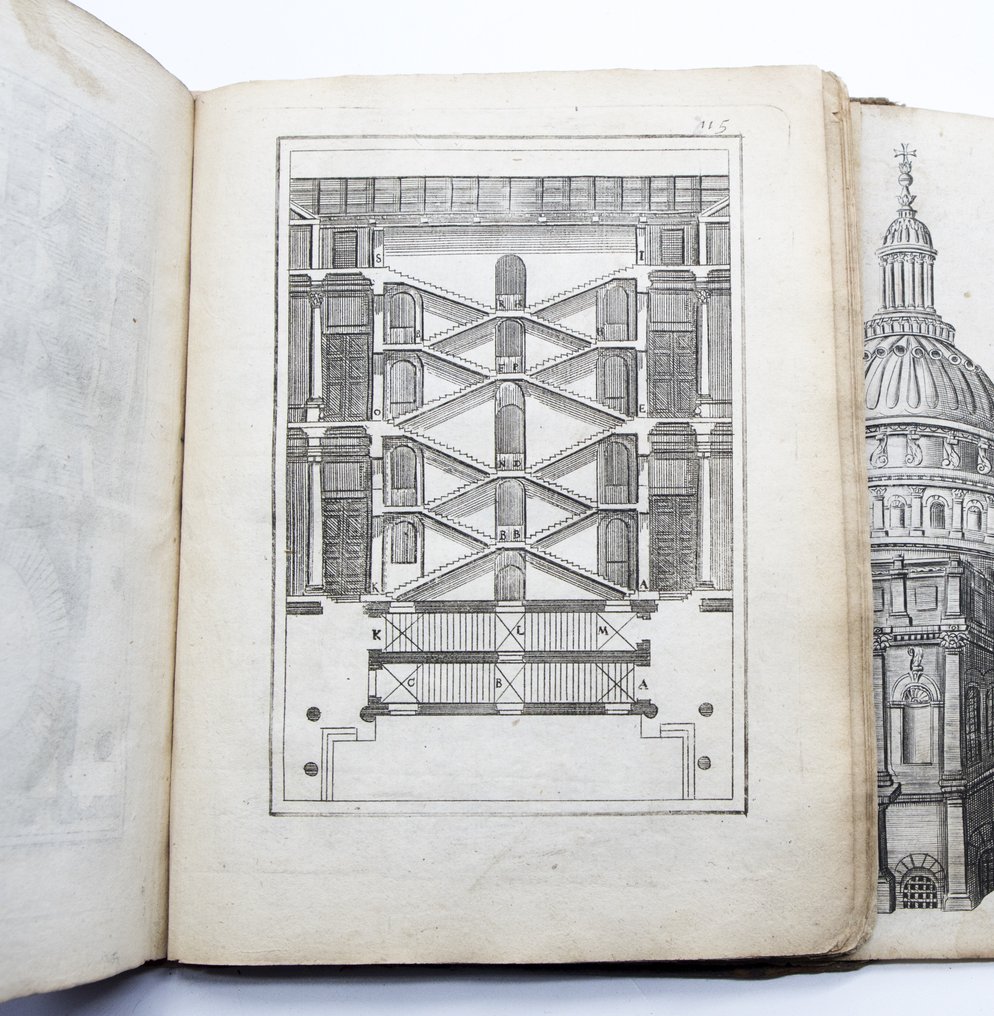
Andrea Palladio, The First Book of Architecture, an illustrated edition published in London in 1683 with full leather binding, 251 pages, English language, plates in the text.
AI-assisted summary
Description from the seller
The enchantment of Venetian villas in the heart of London - in a rare English translation
Rare and significant English edition of Andrea Palladio's First Book of Architecture, published in London in 1683 by Thomas Passinger and Robert Smith. Translated by Geoffrey Richards and enriched with an appendix on doors and windows by Pierre Le Muet, a French architect active in Paris, the work represents one of the main channels through which Palladian language spread within 17th-century British architectural culture. The illustrative apparatus, here partially preserved, long served as an indispensable source for European architects and designers.
Market value
Complete and well-preserved specimens of this rare 1683 London edition are highly sought after. Copies in good condition with all plates complete are valued between 2,500 and 5,000 euros, while partial copies or those with defects (like the present specimen) can range from 1,000 to 1,800 euros, depending on the state of the binding and the presence of the main plates. Interest remains high due to the rarity and historical-architectural value.
Physical description and condition
Full calf binding, heavily worn, with repaired spine. Folding plates, 59 full-page engraved illustrations. Various scattered handwritten notes. Browed paper with stains and signs of widespread use. Not collated: sold as is, Pp. (2); 8nn. 239; 2nn.
Full title and author
Andrea Palladio
The First Book of Architecture...with an Appendix covering Doors and Windows, by Pr. Le Muet.
London, T. Passinger and R. Smith, 1683
Context and Significance
Palladio's First Book of Architecture, first published in Venice in 1570, represents one of the most influential treatises on architecture of the entire modern era. The 1683 English edition, here presented in its fourth printing, testifies to the enduring influence of Renaissance classicism in England, during the height of the spread of the Palladian style. Le Muet's appendix broadens the scope of the treatise with elements typical of French architecture inspired by classical principles. Palladio's English translations were crucial in shaping Georgian architectural taste and the model for British country houses.
Short biography of the author
Andrea Palladio (Padua 1508 – Vicenza 1580) was an architect, theorist, and a central figure of the Italian Renaissance. Active mainly in Veneto, he was the author of villas, palaces, and churches of extraordinary classical harmony. His theoretical work, The Four Books of Architecture, profoundly influenced European architecture from the 17th to the 19th century, particularly in England and the United States, giving rise to the so-called 'palladianism'.
Printing history and circulation
The first English translation of the First Book appeared in 1663, followed by a second in 1668 and a third in 1676. The 1683 edition is the fourth and confirms the steady interest of the English public in Palladian models, also adapted locally thanks to the contributions of scholars and architects like Le Muet. This edition was published by Passinger and Smith, well-known London publishers active in the illustrated book trade. The plates, of good engraving quality but not comparable to the Venetian original, nonetheless served an educational and practical purpose.
BIBLIOGRAPHY AND REFERENCES
BAL RIBA 2402
Harris, British Architectural Books and Writers, no. 673
ALA, Catalogue of the Architecture Library, P207
RIBA, Early Printed Books, Vol. 1, pp. 364–366
Fowler, Architectural Books, throughout
Ackerman, Palladio (Penguin, 1991), chapters V-VI.
Seller's Story
Luxury Books: Your Go-To Guide for Nabbing Literary Treasures!
Embarking on the thrilling journey of collecting rare and timeless printed works? Here's your snappy rundown, "The Collector's Cheat Sheet," to ensure you're not just flipping pages but stacking up the value:
1. Edition and Rarity: Rarity is the name of the game. First editions, limited printings, and books flaunting unique features like eye-catching illustrations or mind-blowing bindings? Consider them the VIPs of the collector's world.
2. Condition & Dimension: Picture this – a book in mint condition, untouched by the woes of wear and tear. Now, flip the script: wear, foxing, discoloration – they're the villains here. And don't forget to size up the dimensions, because a book's size matters in the collector's universe.
3. Authenticity: In a world of replicas and forgeries, verifying a book's authenticity is your superhero move. Expert examination and authentication – your trusty sidekicks in this quest.
4. Provenance: Who owned it before you? If the book has hobnobbed with famous figures or danced through historical events, its value skyrockets. Every book has a story, but some have blockbuster tales.
5. Demand and Market Trends: Think of book values as the stock market of the literary world. Stay savvy on collector trends and market shifts to ride the waves of value.
6. Subject Matter: Some topics are like fine wine – they get better with time. Dive into subjects with a timeless appeal or ride the wave of emerging cultural and historical relevance.
7. Binding and Design: Beauty is more than skin deep. Intricate bindings, stunning covers, and illustrations – these are the accessories that make a book runway-ready in the collector's eyes.
8. Association Copies: Books with a personal touch – whether it's a connection to the author or a famous personality – elevate the historical vibes. A book with a backstory? Count us in.
9. Investment Potential: Passion is the engine, but some collectors eye future returns. Keep in mind, though, that the book market can be as unpredictable as a plot twist.
10. Expert Advice: New to the game? Don't play solo. Seek wisdom from the book gurus, hit up book fairs, and join collector communities. We at Luxury Books are the Yodas of the rare book galaxy, helping you build collections that scream sophistication and cultural clout.
Because collecting rare books isn't just about dollar signs – it's a journey of preserving heritage and embracing literary treasures. Happy collecting!
Translated by Google TranslateThe enchantment of Venetian villas in the heart of London - in a rare English translation
Rare and significant English edition of Andrea Palladio's First Book of Architecture, published in London in 1683 by Thomas Passinger and Robert Smith. Translated by Geoffrey Richards and enriched with an appendix on doors and windows by Pierre Le Muet, a French architect active in Paris, the work represents one of the main channels through which Palladian language spread within 17th-century British architectural culture. The illustrative apparatus, here partially preserved, long served as an indispensable source for European architects and designers.
Market value
Complete and well-preserved specimens of this rare 1683 London edition are highly sought after. Copies in good condition with all plates complete are valued between 2,500 and 5,000 euros, while partial copies or those with defects (like the present specimen) can range from 1,000 to 1,800 euros, depending on the state of the binding and the presence of the main plates. Interest remains high due to the rarity and historical-architectural value.
Physical description and condition
Full calf binding, heavily worn, with repaired spine. Folding plates, 59 full-page engraved illustrations. Various scattered handwritten notes. Browed paper with stains and signs of widespread use. Not collated: sold as is, Pp. (2); 8nn. 239; 2nn.
Full title and author
Andrea Palladio
The First Book of Architecture...with an Appendix covering Doors and Windows, by Pr. Le Muet.
London, T. Passinger and R. Smith, 1683
Context and Significance
Palladio's First Book of Architecture, first published in Venice in 1570, represents one of the most influential treatises on architecture of the entire modern era. The 1683 English edition, here presented in its fourth printing, testifies to the enduring influence of Renaissance classicism in England, during the height of the spread of the Palladian style. Le Muet's appendix broadens the scope of the treatise with elements typical of French architecture inspired by classical principles. Palladio's English translations were crucial in shaping Georgian architectural taste and the model for British country houses.
Short biography of the author
Andrea Palladio (Padua 1508 – Vicenza 1580) was an architect, theorist, and a central figure of the Italian Renaissance. Active mainly in Veneto, he was the author of villas, palaces, and churches of extraordinary classical harmony. His theoretical work, The Four Books of Architecture, profoundly influenced European architecture from the 17th to the 19th century, particularly in England and the United States, giving rise to the so-called 'palladianism'.
Printing history and circulation
The first English translation of the First Book appeared in 1663, followed by a second in 1668 and a third in 1676. The 1683 edition is the fourth and confirms the steady interest of the English public in Palladian models, also adapted locally thanks to the contributions of scholars and architects like Le Muet. This edition was published by Passinger and Smith, well-known London publishers active in the illustrated book trade. The plates, of good engraving quality but not comparable to the Venetian original, nonetheless served an educational and practical purpose.
BIBLIOGRAPHY AND REFERENCES
BAL RIBA 2402
Harris, British Architectural Books and Writers, no. 673
ALA, Catalogue of the Architecture Library, P207
RIBA, Early Printed Books, Vol. 1, pp. 364–366
Fowler, Architectural Books, throughout
Ackerman, Palladio (Penguin, 1991), chapters V-VI.
Seller's Story
Luxury Books: Your Go-To Guide for Nabbing Literary Treasures!
Embarking on the thrilling journey of collecting rare and timeless printed works? Here's your snappy rundown, "The Collector's Cheat Sheet," to ensure you're not just flipping pages but stacking up the value:
1. Edition and Rarity: Rarity is the name of the game. First editions, limited printings, and books flaunting unique features like eye-catching illustrations or mind-blowing bindings? Consider them the VIPs of the collector's world.
2. Condition & Dimension: Picture this – a book in mint condition, untouched by the woes of wear and tear. Now, flip the script: wear, foxing, discoloration – they're the villains here. And don't forget to size up the dimensions, because a book's size matters in the collector's universe.
3. Authenticity: In a world of replicas and forgeries, verifying a book's authenticity is your superhero move. Expert examination and authentication – your trusty sidekicks in this quest.
4. Provenance: Who owned it before you? If the book has hobnobbed with famous figures or danced through historical events, its value skyrockets. Every book has a story, but some have blockbuster tales.
5. Demand and Market Trends: Think of book values as the stock market of the literary world. Stay savvy on collector trends and market shifts to ride the waves of value.
6. Subject Matter: Some topics are like fine wine – they get better with time. Dive into subjects with a timeless appeal or ride the wave of emerging cultural and historical relevance.
7. Binding and Design: Beauty is more than skin deep. Intricate bindings, stunning covers, and illustrations – these are the accessories that make a book runway-ready in the collector's eyes.
8. Association Copies: Books with a personal touch – whether it's a connection to the author or a famous personality – elevate the historical vibes. A book with a backstory? Count us in.
9. Investment Potential: Passion is the engine, but some collectors eye future returns. Keep in mind, though, that the book market can be as unpredictable as a plot twist.
10. Expert Advice: New to the game? Don't play solo. Seek wisdom from the book gurus, hit up book fairs, and join collector communities. We at Luxury Books are the Yodas of the rare book galaxy, helping you build collections that scream sophistication and cultural clout.
Because collecting rare books isn't just about dollar signs – it's a journey of preserving heritage and embracing literary treasures. Happy collecting!
Translated by Google TranslateDetails
Number of Books
1
Subject
Architecture, History
Book Title
First Book of Architecture
Author/ Illustrator
Palladio
Condition
Fair
Publication year oldest item
1683
Height
194 mm
Edition
Illustrated Edition
Width
154 mm
Language
English
Original language
No
Publisher
London, T. Passinger and R. Smith, 1683
Binding/ Material
Leather
Extras
Tipped in plates
Number of pages
251
Sold by
