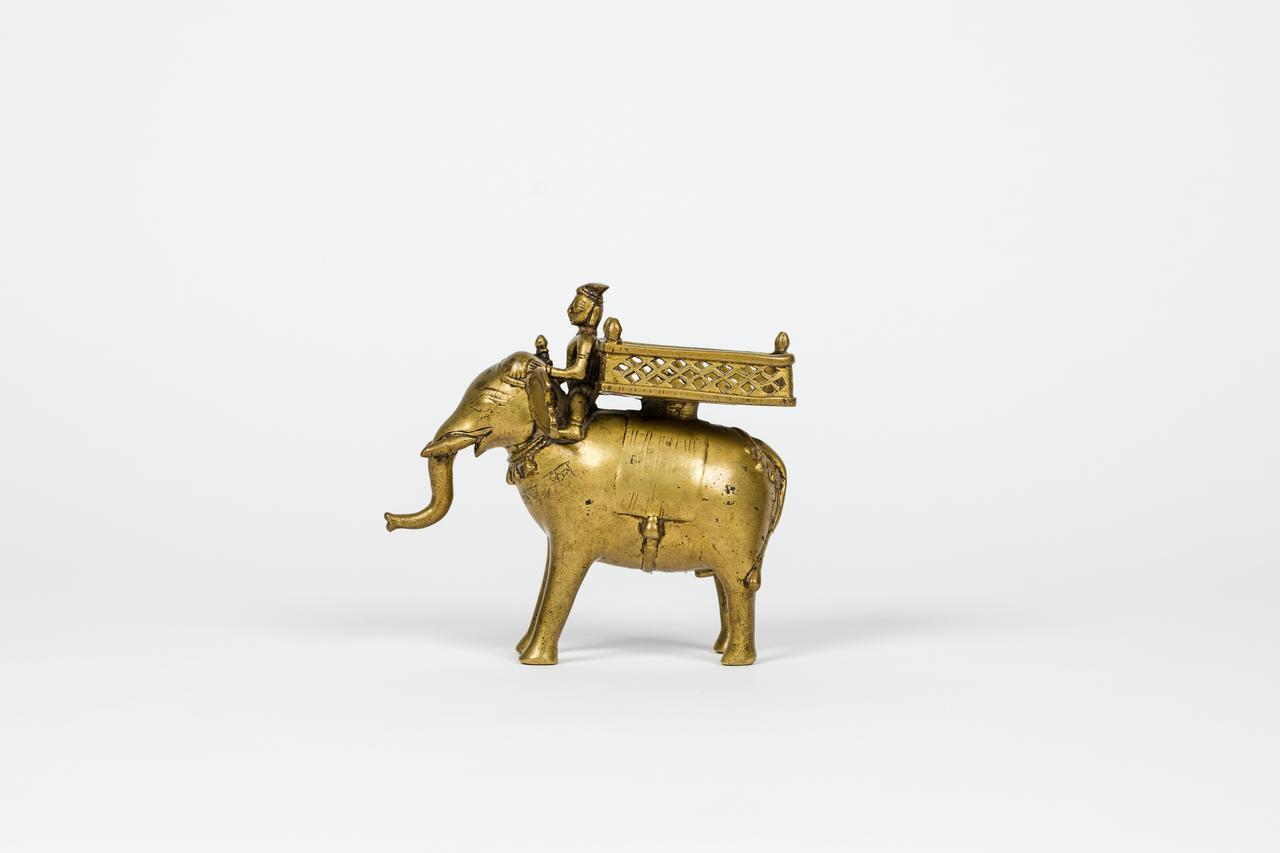
IDEQQI POTTERY CHANDELIER Berber Kabyle in TERRA COTTA - Terracotta - Maroc - Algérie - first half 20th century


01
day
11
hours
22
minutes
28
seconds
Current bid
€ 25
No reserve price

Expert
Selected by Surya Rutten
Has over 25 years' experience in Asian art and owned an art gallery.
Estimate € 150 - € 200
22 other people are watching this object
 Bidder 4667 Bidder 4667 | €25 | |
|---|---|---|
| Bidder 7398 | €19 | |
 Bidder 0261 Bidder 0261 | €10 | |
Catawiki Buyer Protection
Your payment’s safe with us until you receive your object.View details
Trustpilot 4.4 | 122529 reviews
Rated Excellent on Trustpilot.
From the first half of the twentieth century, this Ideqqi pottery chandelier, Berber Kabyle in terracotta, originates from Morocco–Algeria and offers a tangible slice of regional craft.
AI-assisted summary
Description from the seller
Beautiful and very old IDEQQI POTTERY CHANDELIER in TERRA COTTA Berber Kabyle
Decorated with painted traditional motifs,
One handle has been reattached.
Period: 1 st half of the 20th century
H 24 x 13 cm approximately, weighing 516 gr
Origin Morocco - Dispersion private collection G.Berthel from the 1950s
Fast and careful shipping in Colissimo with signature and insurance.
The packages are packed and prepaid for shipping as soon as they are listed online. Therefore, there are no combined shipments for multiple orders.
Kabyle Berber terracotta pottery is not only a testament to traditional craftsmanship, but also a rich cultural expression. Kabylia, a mountainous region of Algeria inhabited by Berbers, is renowned for its unique pottery, which combines aesthetics and utility.
Presentation
Kabyle pottery is characterised by its colour, which comes from the local clay.
They are often adorned with geometric and floral motifs, which reflect the cultural heritage and beliefs of the artisans.
The shapes vary, ranging from jars to plates, including water containers and cooking pots.
Manufacturing
The manufacturing process begins with the collection of the clay, which is then kneaded to remove impurities.
The artisans shape the pottery by hand, using traditional turning or modelling techniques.
Once formed, the pieces are dried in the open air, then fired in a clay oven at high temperatures. Firing gives the pottery its strength and durability.
Artisans often decorate the pieces before or after firing, applying coloured slips or engraving patterns.
Use
Kabyle terracotta pottery has a variety of uses, ranging from domestic tasks to cultural rituals. Jars are used to store water and food, while dishes and plates are used for preparing and serving meals.
Some pottery is also used in ceremonies, such as weddings and parties, where it plays a symbolic role.
Symbolism
Kabyle pottery is full of symbolism. The decorative motifs and shapes chosen express spiritual beliefs and community values. For example, some motifs evoke fertility, protection, or prosperity.
In addition, pottery making is often an art passed down from generation to generation, symbolising cultural continuity and Berber identity.
Kabyle terracotta pottery is a fusion of art, functionality and culture. They represent a living heritage, preserved and passed down through the ages, while remaining an essential element of daily life in the region.
Beautiful and very old IDEQQI POTTERY CHANDELIER in TERRA COTTA Berber Kabyle
Decorated with painted traditional motifs,
One handle has been reattached.
Period: 1 st half of the 20th century
H 24 x 13 cm approximately, weighing 516 gr
Origin Morocco - Dispersion private collection G.Berthel from the 1950s
Fast and careful shipping in Colissimo with signature and insurance.
The packages are packed and prepaid for shipping as soon as they are listed online. Therefore, there are no combined shipments for multiple orders.
Kabyle Berber terracotta pottery is not only a testament to traditional craftsmanship, but also a rich cultural expression. Kabylia, a mountainous region of Algeria inhabited by Berbers, is renowned for its unique pottery, which combines aesthetics and utility.
Presentation
Kabyle pottery is characterised by its colour, which comes from the local clay.
They are often adorned with geometric and floral motifs, which reflect the cultural heritage and beliefs of the artisans.
The shapes vary, ranging from jars to plates, including water containers and cooking pots.
Manufacturing
The manufacturing process begins with the collection of the clay, which is then kneaded to remove impurities.
The artisans shape the pottery by hand, using traditional turning or modelling techniques.
Once formed, the pieces are dried in the open air, then fired in a clay oven at high temperatures. Firing gives the pottery its strength and durability.
Artisans often decorate the pieces before or after firing, applying coloured slips or engraving patterns.
Use
Kabyle terracotta pottery has a variety of uses, ranging from domestic tasks to cultural rituals. Jars are used to store water and food, while dishes and plates are used for preparing and serving meals.
Some pottery is also used in ceremonies, such as weddings and parties, where it plays a symbolic role.
Symbolism
Kabyle pottery is full of symbolism. The decorative motifs and shapes chosen express spiritual beliefs and community values. For example, some motifs evoke fertility, protection, or prosperity.
In addition, pottery making is often an art passed down from generation to generation, symbolising cultural continuity and Berber identity.
Kabyle terracotta pottery is a fusion of art, functionality and culture. They represent a living heritage, preserved and passed down through the ages, while remaining an essential element of daily life in the region.
Details
Dynastic Style/Period
first half 20th century
No. of items
1
Country of Origin
Maroc - Algérie
Material
Terracotta
Height
24 cm
Width
13 cm
Title of artwork
IDEQQI POTTERY CHANDELIER Berber Kabyle in TERRA COTTA
Condition
Good condition
Provenance
Private collection
Sold by