Burmese amber - Amber (No reserve price)


05
days
00
hours
29
minutes
09
seconds

No bids placed
Catawiki Buyer Protection
Your payment’s safe with us until you receive your object.View details
Trustpilot 4.4 | 123332 reviews
Rated Excellent on Trustpilot.
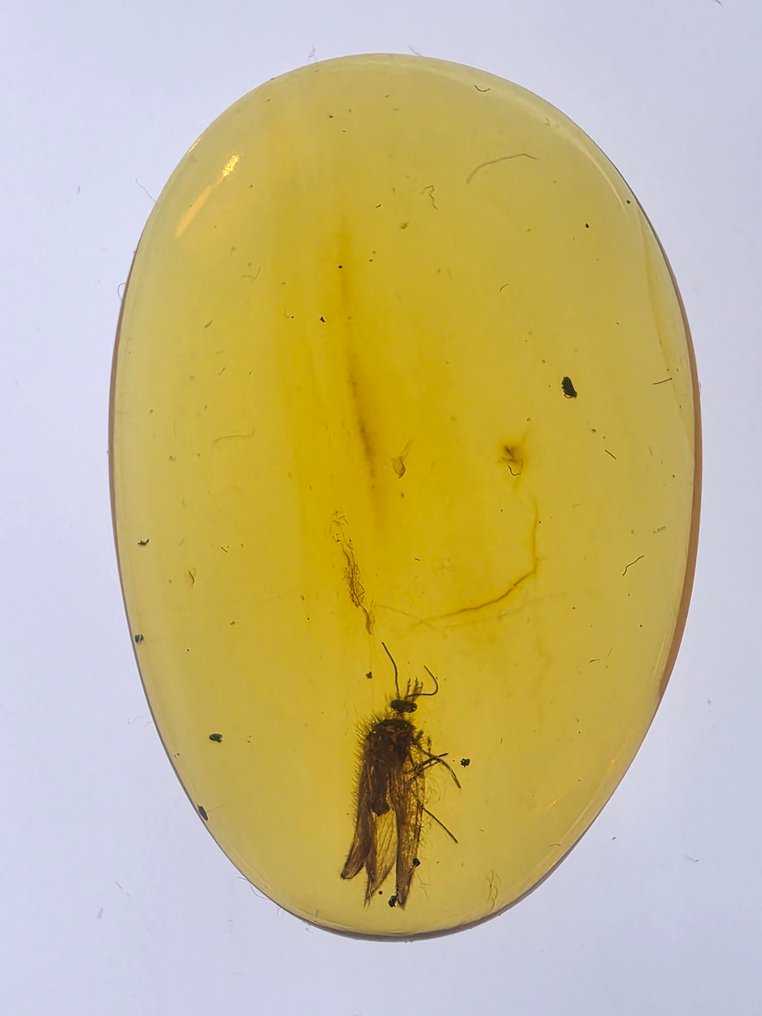
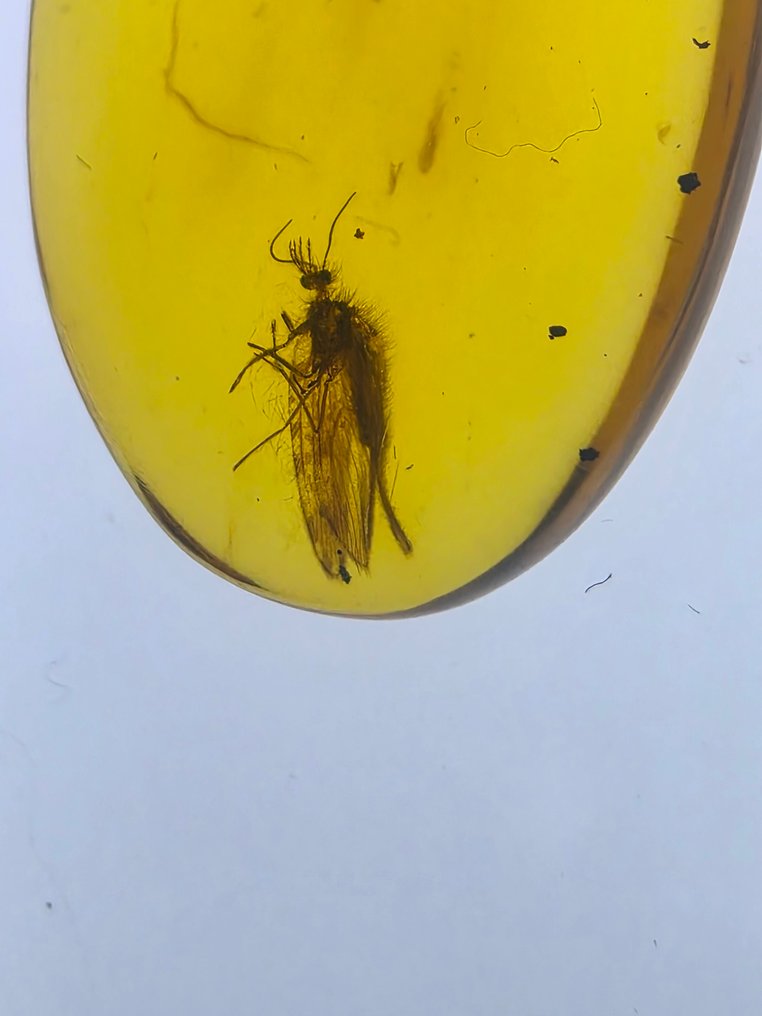
Ambra birmana specimen from Myanmar, Cretaceous period (145–66 million years ago), natural in condition, with an insect inclusion.
AI-assisted summary
Description from the seller
Bellissima Amber from 100 million years ago with an insect inside. Cretaceous period mosquito.
Burmese amber, also known as Myanmar amber, is a type of fossilized tree resin primarily found in the Hukawng Valley in Myanmar. It is renowned for the exceptional preservation of ancient life forms, including insects, plants, and other organisms, often trapped inside. It is estimated that this amber is about 99 million years old, dating back to the Cretaceous period (before T. Rex!). Its intense golden color, tending towards reddish-brown, and its transparency make it highly valued by both collectors and scientists, offering a rare window into prehistoric ecosystems.
How can I recognize real amber?
Authentic amber is lightweight and warm to the touch, unlike plastic imitations. Real amber fluoresces under UV light. Many imitations feature inclusions of large spiders and lizards: these large animals and insects would not be trapped in tree sap! Typical inclusions range from a few millimeters to one or two centimeters. Larger inclusions are rare and command a higher price.
Bellissima Amber from 100 million years ago with an insect inside. Cretaceous period mosquito.
Burmese amber, also known as Myanmar amber, is a type of fossilized tree resin primarily found in the Hukawng Valley in Myanmar. It is renowned for the exceptional preservation of ancient life forms, including insects, plants, and other organisms, often trapped inside. It is estimated that this amber is about 99 million years old, dating back to the Cretaceous period (before T. Rex!). Its intense golden color, tending towards reddish-brown, and its transparency make it highly valued by both collectors and scientists, offering a rare window into prehistoric ecosystems.
How can I recognize real amber?
Authentic amber is lightweight and warm to the touch, unlike plastic imitations. Real amber fluoresces under UV light. Many imitations feature inclusions of large spiders and lizards: these large animals and insects would not be trapped in tree sap! Typical inclusions range from a few millimeters to one or two centimeters. Larger inclusions are rare and command a higher price.
Details
Specimen
Burmese amber
Country of Origin
Myanmar
Geological Period
Cretaceous (145 - 66 million years)
Condition
Natural
Sold by