Ambroise Paré - (MONSTERS & WITCHCRAFT MEDICINE ILLUSTRATED) Les Oeuvres d'Ambroise Paré - 1585



00
days
15
hours
26
minutes
36
seconds
Current bid
€ 1,500
No reserve price

Expert
Selected by Volker Riepenhausen
Specialist in travel literature and pre-1600 rare prints with 28 years experience.
Estimate € 4,000 - € 5,000
124 other people are watching this object
 Bidder 3669 Bidder 3669 | €1,500 | |
|---|---|---|
 Bidder 8065 Bidder 8065 | €1,400 | |
 Bidder 2995 Bidder 2995 | €1,300 | |
Catawiki Buyer Protection
Your payment’s safe with us until you receive your object.View details
Trustpilot 4.4 | 121798 reviews
Rated Excellent on Trustpilot.
Ambroise Paré – Les Œuvres d’Ambroise Paré, illustrated edition of 1585 published by Chez Gabriel Buon in Paris, in French, 1228 pages, bound in pelle.
AI-assisted summary
Description from the seller
Elegitur presents worldwide exclusively: “Les Œuvres d’Ambroise Paré,” Paris, Gabriel Buon, 1585 — one of the most prestigious and sought-after editions in the history of medicine and surgery.
Ambroise Paré (1510–1590), considered unanimously the father of modern surgery, revolutionized the discipline by transitioning from knowledge still dominated by medieval superstitions to a practice based on direct observation, clinical experience, and humanity towards the patient.
Having trained as a barber-surgeon, Paré quickly became a military surgeon and then the First Surgeon to the King of France, serving four monarchs: Henry II, Francis II, Charles IX, and Henry III, passing through some of the most dramatic and bloody moments in French history, including the Wars of Religion and the tragic Night of St. Bartholomew (1572).
His masterful work, 'Les Œuvres,' represents not only a summary of his practical knowledge but also an exceptional human and historical document of great value.
The input is a dash character, which does not require translation.
The 1585 edition — At Gabriel Buon's, Paris
The edition you present is one of the most famous and sumptuous. Published by Gabriel Buon in 1585, while Paré was still alive, it is described as 'Quatrième Édition, reviewed and augmented by the author.'
This means that Paré personally supervised the edition, consolidating and expanding the body of work, adding new treatises, revising anatomical illustrations, and updating surgical tools and techniques.
Distinctive features of the edition
• Monumental engraved frontispiece, typical of the finest French book art of the late 16th century, with a rich allegorical apparatus.
Printed on heavy, high-quality paper, with very crisp characters and wide margins, intended for an educated audience: doctors, scholars, courtiers.
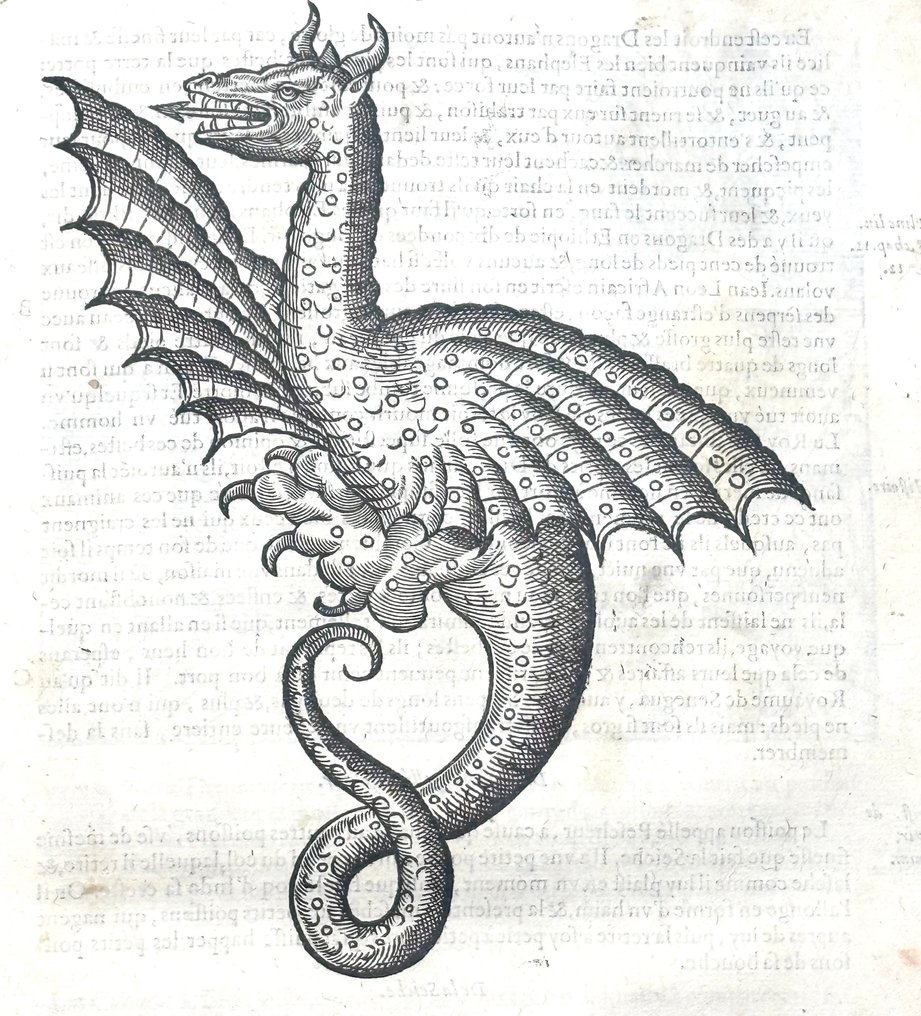
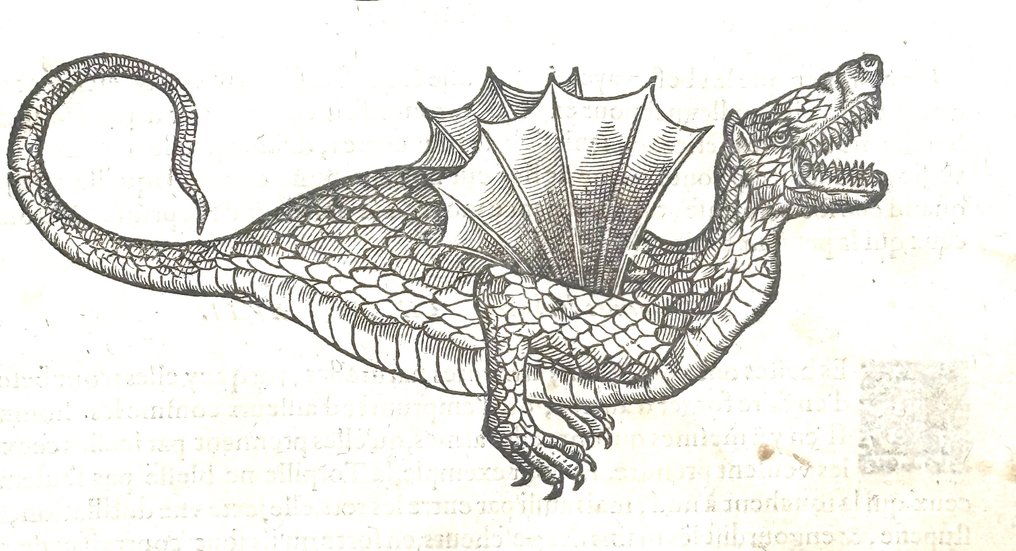
• Precious iconographic gallery: surgical instruments, anatomical models, depictions of deformities, portraits of classical authors.
Authoritative royal privilege, a sign of the work’s prestige in the court of Henry III.
The input is a dash character, which does not require translation.
Content of the work — Treatise after treatise
The work is divided into 29 books, covering the entire scope of Renaissance surgery. Here is an extended but readable presentation chapter by chapter:
Anatomy of the human body
Paré summarizes the anatomical knowledge of his time, based on dissections. It is a fundamental section because it reflects the transition from Galenic medicine to Renaissance medicine.
Gunshot wounds
The most famous chapter: Paré abandoned the use of hot oil to treat musket shot wounds, introducing a soothing ointment that saved countless lives.
3–4. Amputations and ligatures of arteries.
One of his most decisive innovations. Paré perfects ligation, avoiding cauterizing the limb with red-hot irons.
Surgical instruments
A true compendium of instruments: prostheses, tongs, specilli, scalpels. Many are inventions of Paré himself.
6–10. Bones, fractures, and dislocations
Paré proposed methods of immobilization, including the initial conceptual applications of what would become modern orthopedics.
11–15. Internal diseases and tumors
Surprisingly modern approach, focused on prognosis and pain management.
Obstetrics and gynecology
Treatise equipped with rare anatomical illustrations for the era. Paré was one of the first surgeons to describe techniques of safe obstetric maneuvers.
17–20. Deformities and 'monstrosities'
A fascinating and renowned section: Paré collects cases of congenital anomalies and malformations, intertwining scientific observation with theological interpretation.
21–24. Military surgery
Fruit of his experience on European battlefields. It is one of the earliest systematic testimonies of military medicine.
25–29. Recipes, treatments, and philosophical conclusions
A surprising ending, where surgery and morality intertwine. Paré reiterates his famous phrase:
I bandaged him, God healed him.
I healed him, but God healed him.
The input is a dash character, which does not require translation.
The meaning and impact of the work
The birth of scientific surgery
‘Les Œuvres’ marks the definitive transition from the barber-surgeon to the medical surgeon. For the first time, surgery is treated with theoretical rigor, intellectual independence, and professional dignity.
Social impact
Paré improved the public perception of surgeons, transforming them from manual craftsmen to respected figures within the medical community.
European dissemination
The work was quickly translated and circulated among European courts, profoundly influencing surgery in Italy, Germany, England, and the Netherlands.
A humanistic work
Unlike many treatises of the time, Paré writes in French and not in Latin.
This democratizes medical knowledge and places it within the great cultural movement of the Renaissance.
The input is a dash character, which does not require translation.
Historical context
The opera was born in a time of enormous political and cultural tension.
The French Wars of Religion (1562–1598) tore the country apart.
The role of the military surgeon is growing, becoming indispensable in modern warfare.
Vesalio's anatomical revolution (1543) forever changed medicine.
France is experiencing a turbulent period: Catherine de’ Medici, the death of Henry II, and the succession crisis.
Paré was personally involved in many of these events; he treated Henry II after the famous fatal incident at the 1559 tournament and witnessed the St. Bartholomew's Night massacre.
The input is a dash character, which does not require translation.
Fascinating curiosities (few know them)
Paré invented one of the first functional mechanical prostheses.
He designed articulated metal hands, legs with joints and supports intended for mutilated soldiers. Many models are considered precursors of biomechanical orthopedics.
His theory about 'monsters' was ahead of its time.
Although religious, Paré formulated proto-scientific explanations for malformations, anticipating geneticists and embryologists in considering natural rather than supernatural causes.
Pare was among the first to notice the value of patient psychology.
Describe cases in which fear, sadness, or hope influence healing.
He saved lives by stopping the burning of the injured.
The decision to abandon the hot oil happened almost by chance: one night, during a battle, the ointment ran out and Paré was forced to improvise a soothing mixture. Upon waking, he discovered that those patients were better off than the others.
He was covered with accusations by university doctors.
Medici 'Latin' doctors despised him because he wrote in French. Today, ironically, he is remembered as a giant of medicine.
The input is a dash character, which does not require translation.
Conclusion
This 1585 edition of Ambroise Paré's 'Œuvres' represents one of the absolute pillars of the history of medical science, a linguistic, iconographic, and technical monument.
It is a privileged window into the Renaissance, the transformations in surgery, the wars of the time, the suffering of the wounded, and the humanity of a man who, with courage and intuition, forever changed medical practice.
Collation and state of preservation
The book is in fair condition, with some signs of wear such as color marks on some illustrations, repairs to tears, and minor rips. The collation of the book is as follows: 4 unnumbered initial pages, 1228 numbered pages, and finally the 'table des matieres, et choses notables' consisting of 104 unnumbered pages. It is noteworthy that the first four leaves appear to have been washed or photocopied onto old paper.
Terms and Conditions of Sale
The book will be shipped with insured express shipping, which will allow you to receive the book within just 24 working hours in EU countries, while for non-EU countries, it will take 72 working hours. Please note that any customs duties, if applicable, will be at the expense of the buyers.
Elegitur presents worldwide exclusively: “Les Œuvres d’Ambroise Paré,” Paris, Gabriel Buon, 1585 — one of the most prestigious and sought-after editions in the history of medicine and surgery.
Ambroise Paré (1510–1590), considered unanimously the father of modern surgery, revolutionized the discipline by transitioning from knowledge still dominated by medieval superstitions to a practice based on direct observation, clinical experience, and humanity towards the patient.
Having trained as a barber-surgeon, Paré quickly became a military surgeon and then the First Surgeon to the King of France, serving four monarchs: Henry II, Francis II, Charles IX, and Henry III, passing through some of the most dramatic and bloody moments in French history, including the Wars of Religion and the tragic Night of St. Bartholomew (1572).
His masterful work, 'Les Œuvres,' represents not only a summary of his practical knowledge but also an exceptional human and historical document of great value.
The input is a dash character, which does not require translation.
The 1585 edition — At Gabriel Buon's, Paris
The edition you present is one of the most famous and sumptuous. Published by Gabriel Buon in 1585, while Paré was still alive, it is described as 'Quatrième Édition, reviewed and augmented by the author.'
This means that Paré personally supervised the edition, consolidating and expanding the body of work, adding new treatises, revising anatomical illustrations, and updating surgical tools and techniques.
Distinctive features of the edition
• Monumental engraved frontispiece, typical of the finest French book art of the late 16th century, with a rich allegorical apparatus.
Printed on heavy, high-quality paper, with very crisp characters and wide margins, intended for an educated audience: doctors, scholars, courtiers.
• Precious iconographic gallery: surgical instruments, anatomical models, depictions of deformities, portraits of classical authors.
Authoritative royal privilege, a sign of the work’s prestige in the court of Henry III.
The input is a dash character, which does not require translation.
Content of the work — Treatise after treatise
The work is divided into 29 books, covering the entire scope of Renaissance surgery. Here is an extended but readable presentation chapter by chapter:
Anatomy of the human body
Paré summarizes the anatomical knowledge of his time, based on dissections. It is a fundamental section because it reflects the transition from Galenic medicine to Renaissance medicine.
Gunshot wounds
The most famous chapter: Paré abandoned the use of hot oil to treat musket shot wounds, introducing a soothing ointment that saved countless lives.
3–4. Amputations and ligatures of arteries.
One of his most decisive innovations. Paré perfects ligation, avoiding cauterizing the limb with red-hot irons.
Surgical instruments
A true compendium of instruments: prostheses, tongs, specilli, scalpels. Many are inventions of Paré himself.
6–10. Bones, fractures, and dislocations
Paré proposed methods of immobilization, including the initial conceptual applications of what would become modern orthopedics.
11–15. Internal diseases and tumors
Surprisingly modern approach, focused on prognosis and pain management.
Obstetrics and gynecology
Treatise equipped with rare anatomical illustrations for the era. Paré was one of the first surgeons to describe techniques of safe obstetric maneuvers.
17–20. Deformities and 'monstrosities'
A fascinating and renowned section: Paré collects cases of congenital anomalies and malformations, intertwining scientific observation with theological interpretation.
21–24. Military surgery
Fruit of his experience on European battlefields. It is one of the earliest systematic testimonies of military medicine.
25–29. Recipes, treatments, and philosophical conclusions
A surprising ending, where surgery and morality intertwine. Paré reiterates his famous phrase:
I bandaged him, God healed him.
I healed him, but God healed him.
The input is a dash character, which does not require translation.
The meaning and impact of the work
The birth of scientific surgery
‘Les Œuvres’ marks the definitive transition from the barber-surgeon to the medical surgeon. For the first time, surgery is treated with theoretical rigor, intellectual independence, and professional dignity.
Social impact
Paré improved the public perception of surgeons, transforming them from manual craftsmen to respected figures within the medical community.
European dissemination
The work was quickly translated and circulated among European courts, profoundly influencing surgery in Italy, Germany, England, and the Netherlands.
A humanistic work
Unlike many treatises of the time, Paré writes in French and not in Latin.
This democratizes medical knowledge and places it within the great cultural movement of the Renaissance.
The input is a dash character, which does not require translation.
Historical context
The opera was born in a time of enormous political and cultural tension.
The French Wars of Religion (1562–1598) tore the country apart.
The role of the military surgeon is growing, becoming indispensable in modern warfare.
Vesalio's anatomical revolution (1543) forever changed medicine.
France is experiencing a turbulent period: Catherine de’ Medici, the death of Henry II, and the succession crisis.
Paré was personally involved in many of these events; he treated Henry II after the famous fatal incident at the 1559 tournament and witnessed the St. Bartholomew's Night massacre.
The input is a dash character, which does not require translation.
Fascinating curiosities (few know them)
Paré invented one of the first functional mechanical prostheses.
He designed articulated metal hands, legs with joints and supports intended for mutilated soldiers. Many models are considered precursors of biomechanical orthopedics.
His theory about 'monsters' was ahead of its time.
Although religious, Paré formulated proto-scientific explanations for malformations, anticipating geneticists and embryologists in considering natural rather than supernatural causes.
Pare was among the first to notice the value of patient psychology.
Describe cases in which fear, sadness, or hope influence healing.
He saved lives by stopping the burning of the injured.
The decision to abandon the hot oil happened almost by chance: one night, during a battle, the ointment ran out and Paré was forced to improvise a soothing mixture. Upon waking, he discovered that those patients were better off than the others.
He was covered with accusations by university doctors.
Medici 'Latin' doctors despised him because he wrote in French. Today, ironically, he is remembered as a giant of medicine.
The input is a dash character, which does not require translation.
Conclusion
This 1585 edition of Ambroise Paré's 'Œuvres' represents one of the absolute pillars of the history of medical science, a linguistic, iconographic, and technical monument.
It is a privileged window into the Renaissance, the transformations in surgery, the wars of the time, the suffering of the wounded, and the humanity of a man who, with courage and intuition, forever changed medical practice.
Collation and state of preservation
The book is in fair condition, with some signs of wear such as color marks on some illustrations, repairs to tears, and minor rips. The collation of the book is as follows: 4 unnumbered initial pages, 1228 numbered pages, and finally the 'table des matieres, et choses notables' consisting of 104 unnumbered pages. It is noteworthy that the first four leaves appear to have been washed or photocopied onto old paper.
Terms and Conditions of Sale
The book will be shipped with insured express shipping, which will allow you to receive the book within just 24 working hours in EU countries, while for non-EU countries, it will take 72 working hours. Please note that any customs duties, if applicable, will be at the expense of the buyers.
Details
Number of Books
1
Subject
Astronomy, Esotericism, Illustrated, Incunabula & early printing, Medicine, Natural History, Original artwork
Book Title
(MONSTERS & WITCHCRAFT MEDICINE ILLUSTRATED) Les Oeuvres d'Ambroise Paré
Author/ Illustrator
Ambroise Paré
Condition
Good
Publication year oldest item
1585
Edition
Illustrated Edition
Language
French
Original language
Yes
Publisher
Chez Gabriel Buon
Binding/ Material
Leather
Number of pages
1228
