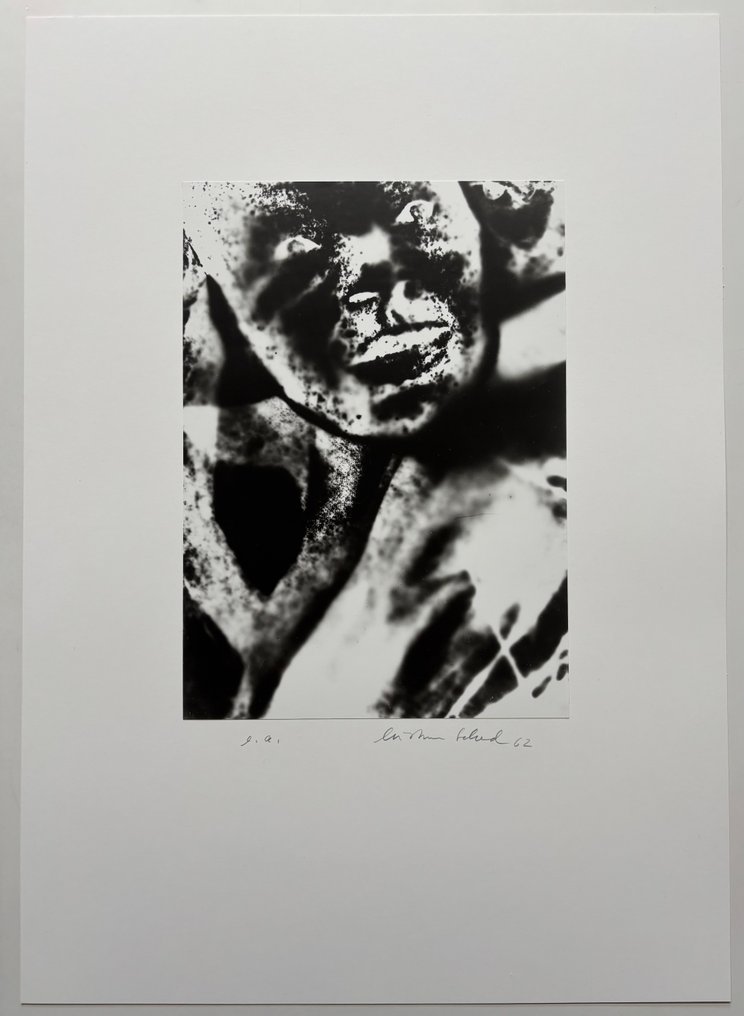
Christian Schad (1894–1982) - Neuer Tum


04
days
21
hours
22
minutes
09
seconds
Starting bid
€ 1
Reserve price not met

Expert
Selected by Kai Brückner
Over 35 years' experience; former gallery owner and Museum Folkwang curator.
Estimate € 900 - € 1,100
No bids placed
Catawiki Buyer Protection
Your payment’s safe with us until you receive your object.View details
Trustpilot 4.4 | 122529 reviews
Rated Excellent on Trustpilot.
Description from the seller
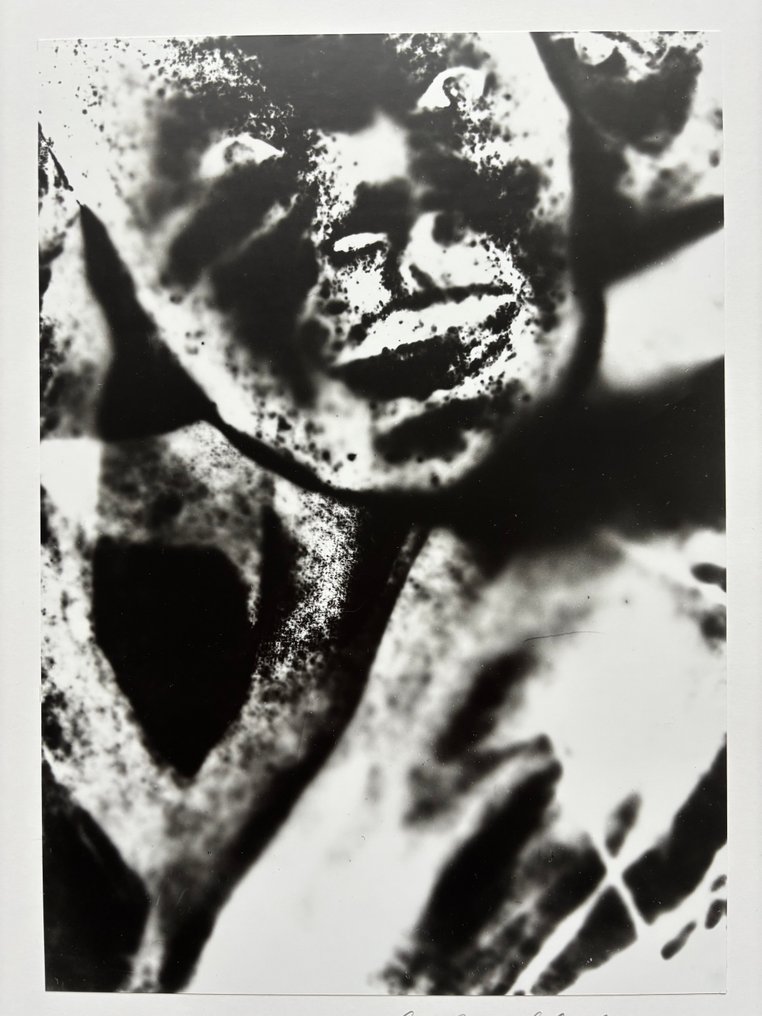
Christian Schad (1894–1982), Neuer Tum, (Schadografie), 1962.
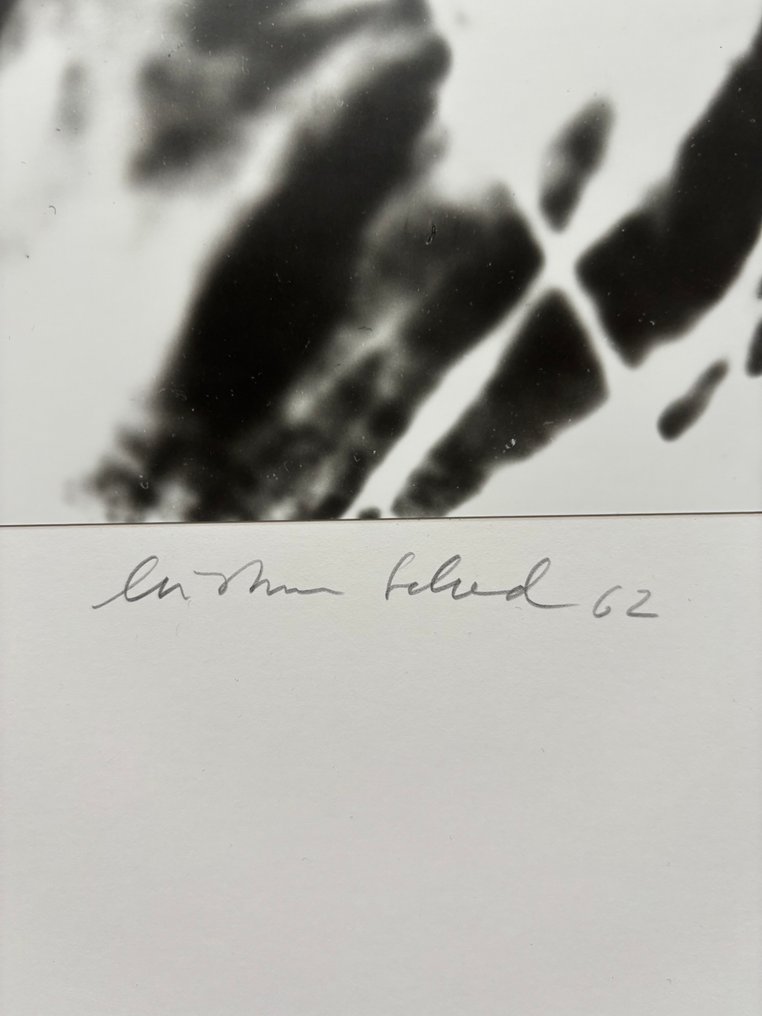
Photogram / Schadography, 32.2 x 23 cm mounted on Bristol board 59 x 42 cm. Numbered in pencil, signed, and dated.
Provenance: Private collection in Berlin, from the estate of Christian Schad's widow.
Condition: Makelos, was never exhibited and was kept in the original folder. Photos are part of the condition description.
About
He was a German painter and graphic artist, known as a significant representative of the New Objectivity. He studied in Munich, lived in Switzerland and Paris before settling in Berlin. His works are characterized by a precise, almost photorealistic painting style, critically depicting society in the 1920s. He also became famous for his experimental 'Schadographien' – early forms of photogram technique. Schad's art continues to influence modern portrait painting today.
In the 1950s and 1960s, Christian Schad turned again to printmaking, especially linocuts. During this period, he frequently stayed in Italy, including Venice, where he was inspired by classical art and architecture. His linocuts from this phase often depict mythological and religious motifs and reflect an intense engagement with traditional print techniques. These works mark a late but significant expansion of his artistic oeuvre.
Christian Schad (1894–1982), Neuer Tum, (Schadografie), 1962.
Photogram / Schadography, 32.2 x 23 cm mounted on Bristol board 59 x 42 cm. Numbered in pencil, signed, and dated.
Provenance: Private collection in Berlin, from the estate of Christian Schad's widow.
Condition: Makelos, was never exhibited and was kept in the original folder. Photos are part of the condition description.
About
He was a German painter and graphic artist, known as a significant representative of the New Objectivity. He studied in Munich, lived in Switzerland and Paris before settling in Berlin. His works are characterized by a precise, almost photorealistic painting style, critically depicting society in the 1920s. He also became famous for his experimental 'Schadographien' – early forms of photogram technique. Schad's art continues to influence modern portrait painting today.
In the 1950s and 1960s, Christian Schad turned again to printmaking, especially linocuts. During this period, he frequently stayed in Italy, including Venice, where he was inspired by classical art and architecture. His linocuts from this phase often depict mythological and religious motifs and reflect an intense engagement with traditional print techniques. These works mark a late but significant expansion of his artistic oeuvre.
Details
Artist
Christian Schad (1894–1982)
Sold by
Owner or reseller
Title of artwork
Neuer Tum
Condition
Good condition
Technique
Mixed technique
Height
59 cm
Width
42 cm
Signature
Hand signed
Genre
Fine art photography
Sold by