Glashütter Tradition - No reserve price - B-Uhr Beobachtungsuhr Replika - Men - 2000-2010


02
days
09
hours
46
minutes
30
seconds
Current bid
€ 240
No reserve price

Expert
Selected by Alfonso Minondo
Over six years of professional experience in watches with extensive collector network.
Retail Estimate € 800 - € 900
60 other people are watching this object
 Bidder 1863 Bidder 1863 | €240 | |
|---|---|---|
 Bidder 4687 Bidder 4687 | €220 | |
 Bidder 6175 Bidder 6175 | €200 | |
Catawiki Buyer Protection
Your payment’s safe with us until you receive your object.View details
Trustpilot 4.4 | 122813 reviews
Rated Excellent on Trustpilot.
Glashütter Tradition Replika Beobachtungsuhr Replika with automatic movement, stainless steel 40 mm case, leather strap, reference B-Uhr Beobachtungsuhr Replika, period 2000–2010, condition Sehr gut with minor wear, original papers included from 2016 stock.
AI-assisted summary
Description from the seller
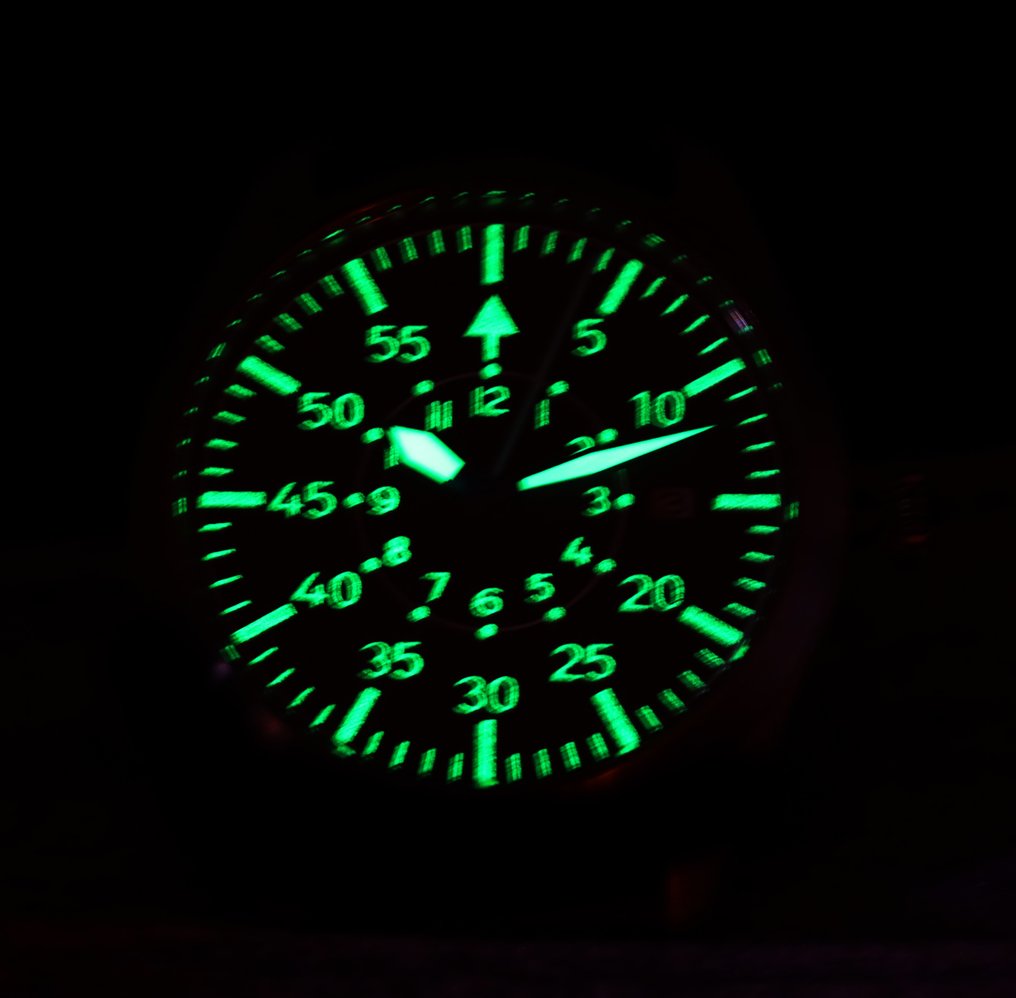
The Glashütte Tradition Replika 2016 Observation Watch Replika is a replica of the classic pilot watches worn by pilots and navigators during World War II. These watches are characterized by their historically inspired design and functional features, modeled after the original versions. This model comes from stock from 2016.
The name Glashütter Tradition, with its far-reaching history, was revived in 1998 by D. Dornblüth with the registration "Glashütter Tradition Dornblüth" at the German Patent and Trademark Office. In 2009, the Glashütter Tradition brand was strengthened again through an acquisition, with a focus on individual and small-series manufacturing. This approach emphasized the brand's commitment to exclusivity and craftsmanship quality. Despite the reputation and recognition that Glashütter Tradition received for its high-quality watches, production was discontinued at a later date. The cessation of watchmaking marks the end of a significant chapter in the brand's history, whose influence on watchmaking art and traditions, however, continues to endure.
An observation watch, also known as a pilot's watch or B-Uhr, was specifically developed for pilots and navigators to meet their special requirements in military operations, particularly during the Second World War. It is characterized by several distinctive features that set it apart from conventional wristwatches.
The central aspect is the precision of the watch, which was necessary to enable accurate time measurements during flight navigation. This precision was crucial because it was essential for calculating flight times and positions. Many observation watches were therefore certified as chronometers, meaning they underwent strict testing to ensure the highest accuracy standards. The dial was designed to be very clear and high-contrast, usually with a black background and white numerals or indices. The combination of luminous numerals and luminous hands allowed pilots to easily read the time even in darkness. A particularly distinctive feature was the triangle at the 12 o'clock position, replacing the number 12. This triangle helped the wearer quickly orient the watch by making the top of the dial immediately recognizable. A central seconds hand was another functional element of the observation watches. This allowed for precise reading of seconds, which played a vital role in flight navigation. Additionally, the watch's robust construction made it suitable for extreme conditions.
In conclusion, it can be said that observation watches stand out not only for their technical and functional design but also for their historical significance. They hold a special place in the history of aviation and the military, and today, they are sought after by collectors and watch enthusiasts because of their robust design, precision, and historical value.
Specifications
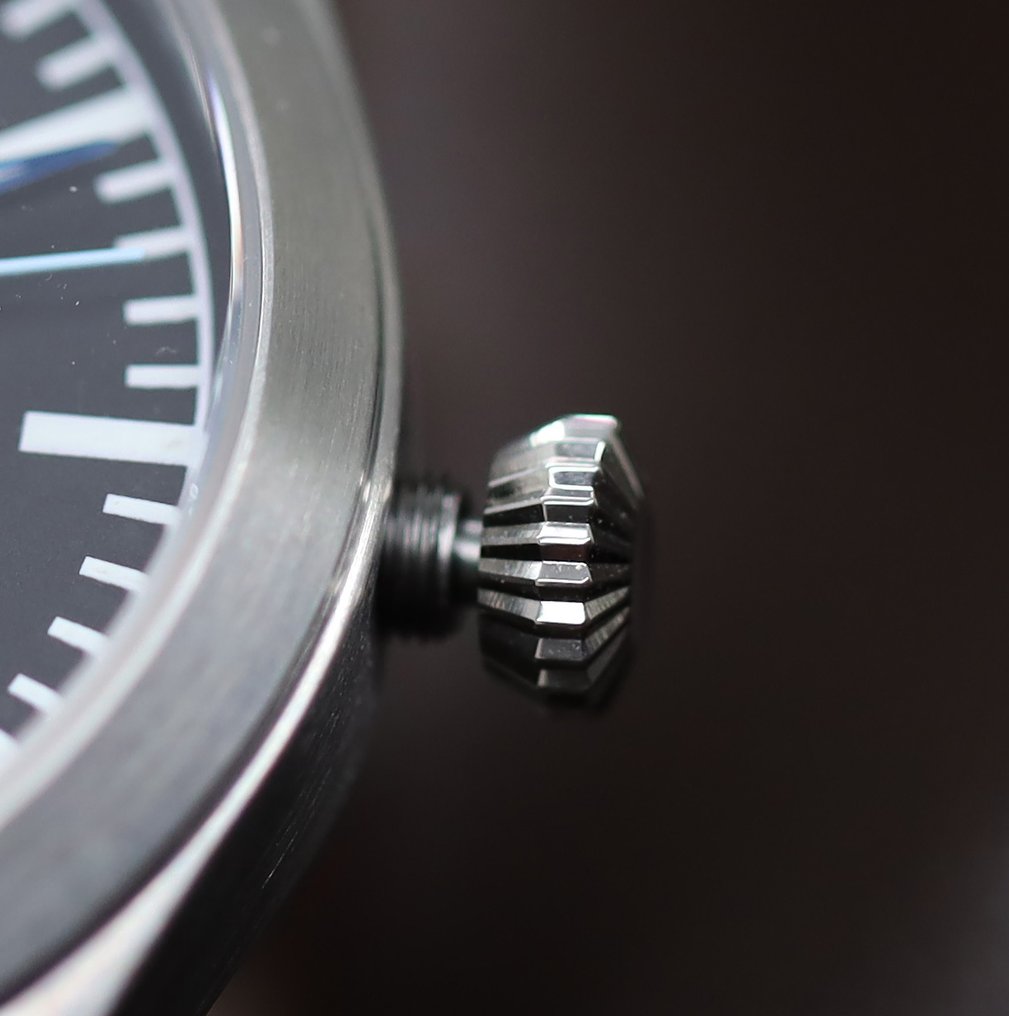
- Case steel, brushed, onion-shaped crown
Diameter 40.00 mm
5 ATM
sapphire glass
Movement: automatic with stop second, Miyota base, 21 jewels, 40-hour power reserve, rotor individually numbered and thermally colored.
pilot watch strap, pin buckle
Handmade box, USB stick.
The case number may vary.
The Glashütte Tradition Replika 2016 Observation Watch Replika is a replica of the classic pilot watches worn by pilots and navigators during World War II. These watches are characterized by their historically inspired design and functional features, modeled after the original versions. This model comes from stock from 2016.
The name Glashütter Tradition, with its far-reaching history, was revived in 1998 by D. Dornblüth with the registration "Glashütter Tradition Dornblüth" at the German Patent and Trademark Office. In 2009, the Glashütter Tradition brand was strengthened again through an acquisition, with a focus on individual and small-series manufacturing. This approach emphasized the brand's commitment to exclusivity and craftsmanship quality. Despite the reputation and recognition that Glashütter Tradition received for its high-quality watches, production was discontinued at a later date. The cessation of watchmaking marks the end of a significant chapter in the brand's history, whose influence on watchmaking art and traditions, however, continues to endure.
An observation watch, also known as a pilot's watch or B-Uhr, was specifically developed for pilots and navigators to meet their special requirements in military operations, particularly during the Second World War. It is characterized by several distinctive features that set it apart from conventional wristwatches.
The central aspect is the precision of the watch, which was necessary to enable accurate time measurements during flight navigation. This precision was crucial because it was essential for calculating flight times and positions. Many observation watches were therefore certified as chronometers, meaning they underwent strict testing to ensure the highest accuracy standards. The dial was designed to be very clear and high-contrast, usually with a black background and white numerals or indices. The combination of luminous numerals and luminous hands allowed pilots to easily read the time even in darkness. A particularly distinctive feature was the triangle at the 12 o'clock position, replacing the number 12. This triangle helped the wearer quickly orient the watch by making the top of the dial immediately recognizable. A central seconds hand was another functional element of the observation watches. This allowed for precise reading of seconds, which played a vital role in flight navigation. Additionally, the watch's robust construction made it suitable for extreme conditions.
In conclusion, it can be said that observation watches stand out not only for their technical and functional design but also for their historical significance. They hold a special place in the history of aviation and the military, and today, they are sought after by collectors and watch enthusiasts because of their robust design, precision, and historical value.
Specifications
- Case steel, brushed, onion-shaped crown
Diameter 40.00 mm
5 ATM
sapphire glass
Movement: automatic with stop second, Miyota base, 21 jewels, 40-hour power reserve, rotor individually numbered and thermally colored.
pilot watch strap, pin buckle
Handmade box, USB stick.
The case number may vary.
Details
Brand
Glashütter Tradition
Gender
Men
Reference Number
B-Uhr Beobachtungsuhr Replika
Band material
Leather
Shipped Insured
Yes
Period
2000-2010
Repainted dial
No
Movement
Automatic
Case material
Steel
Original box included
No
Original papers included
Yes
Case diameter
40 mm
Original warranty included
No
Condition
Very good - minor signs of wear
Sold by