Attribué à Anton Burger (1824-1905), Attributed to - Portrait d'homme


08
days
21
hours
25
minutes
57
seconds
Starting bid
€ 1
Reserve price not met

Expert
Selected by Caroline Bokobza
Graduated as French auctioneer and worked in Sotheby’s Paris valuation department.
Estimate € 500 - € 600
No bids placed
Catawiki Buyer Protection
Your payment’s safe with us until you receive your object.View details
Trustpilot 4.4 | 122053 reviews
Rated Excellent on Trustpilot.
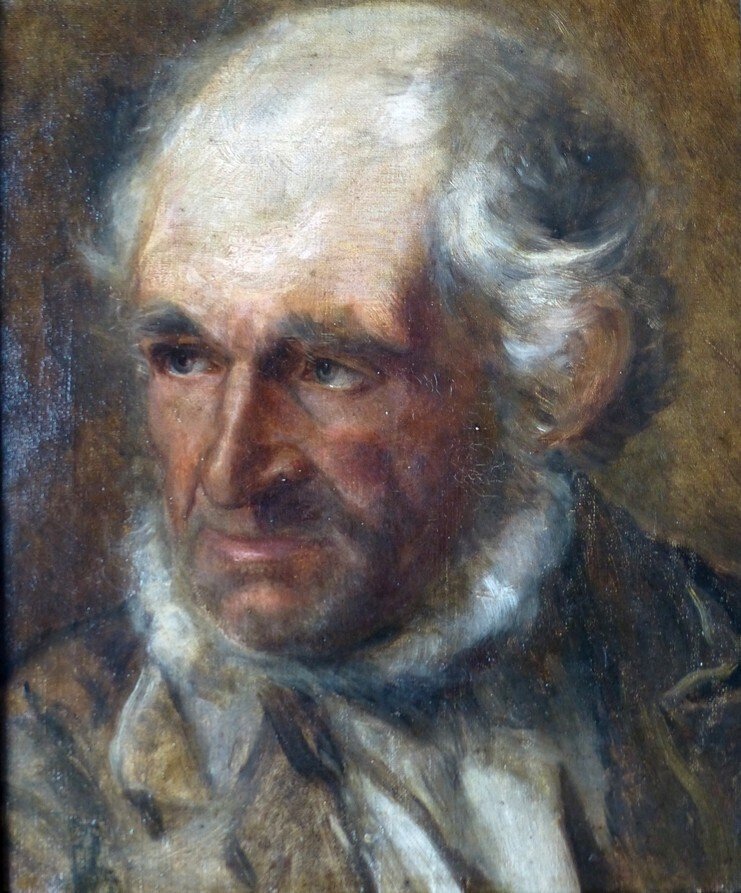
Portrait of a man, a 19th‑century oil painting on canvas attributed to Anton Burger, France, sold with frame.
AI-assisted summary
Description from the seller
19th-century oil on canvas, depicting a portrait of a man, possibly an artist's self-portrait.
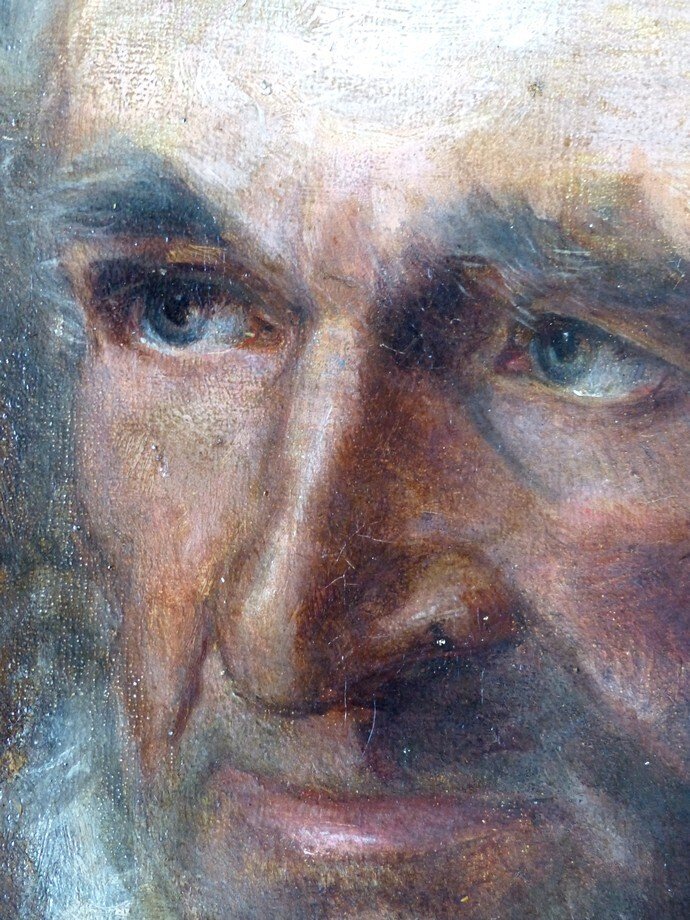
Beautiful quality of execution, signed on the back of the canvas.
Anton Burger (1824-1905) was born in Frankfurt am Main and studied at the Städelschule under the guidance of Jakob Becker and Philipp Veit, representatives of German realism and romanticism.
In 1846, he continued his training in Munich, then undertook a study trip to Paris in 1853, where he discovered the art of Corot and Courbet, which had a lasting influence on his vision of landscape and light.
In 1858, he settled in Kronberg im Taunus, a small picturesque town near Frankfurt, where he, along with other artists, founded the Kronberger Malerkolonie, one of the most famous artist colonies in Germany.
He becomes a central figure there, both mentor, organizer, and prolific painter.
His work, marked by poetic realism, depicts rural life, the landscapes of the Taunus, and the old streets of Frankfurt.
Recognized and respected, he was appointed Prussian royal professor in 1894. He died in Kronberg in 1905.
Quite particular framing, probably of German origin.
Unframed dimensions: 34 / 28 cm
19th-century oil on canvas, depicting a portrait of a man, possibly an artist's self-portrait.
Beautiful quality of execution, signed on the back of the canvas.
Anton Burger (1824-1905) was born in Frankfurt am Main and studied at the Städelschule under the guidance of Jakob Becker and Philipp Veit, representatives of German realism and romanticism.
In 1846, he continued his training in Munich, then undertook a study trip to Paris in 1853, where he discovered the art of Corot and Courbet, which had a lasting influence on his vision of landscape and light.
In 1858, he settled in Kronberg im Taunus, a small picturesque town near Frankfurt, where he, along with other artists, founded the Kronberger Malerkolonie, one of the most famous artist colonies in Germany.
He becomes a central figure there, both mentor, organizer, and prolific painter.
His work, marked by poetic realism, depicts rural life, the landscapes of the Taunus, and the old streets of Frankfurt.
Recognized and respected, he was appointed Prussian royal professor in 1894. He died in Kronberg in 1905.
Quite particular framing, probably of German origin.
Unframed dimensions: 34 / 28 cm
Details
Artist
Attribué à Anton Burger (1824-1905)
Sold with frame
Yes
Attribution
Attributed to
Title of artwork
Portrait d'homme
Technique
Oil painting
Signature
Signed
Country of Origin
France
Condition
Good condition
Height
34 cm
Width
28 cm
Style
Realism
Period
19th century
Sold by
